
Sauces & Condiments
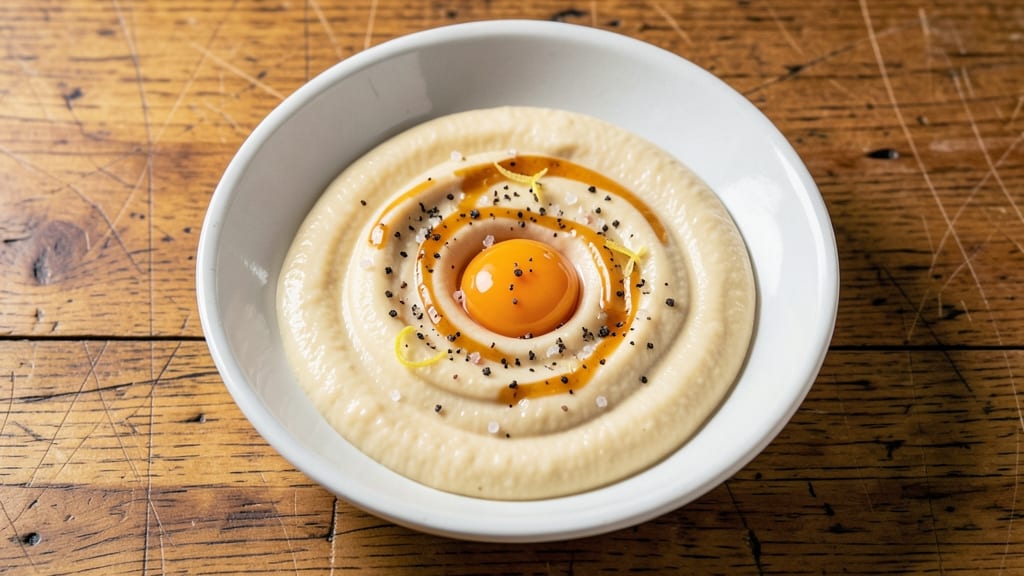
This 2-egg mayonnaise recipe delivers the ultra-smooth, velvety emulsion you’ve been searching for—no failed batches, no extra eggs wasted. The secret lies in precise ratios and a foolproof emulsification technique that transforms simple ingredients into restaurant-quality sauce. I’ve perfected this method after years of trial and error, ensuring every batch turns out perfectly the first time.
The magic happens with just two egg yolks, a precise amount of oil, and a touch of acidity from vinegar or lemon juice. The key is adding oil gradually while whisking vigorously, which creates that signature creamy texture without breaking.
This recipe also includes a mustard base to stabilize the emulsion and add subtle depth of flavor, making it more versatile than store-bought versions.
What you’ll end up with is a mayonnaise that’s silky-smooth, tangy, and rich—ideal for sandwiches, dressings, or dipping. The best part? It stays fresh in the refrigerator for up to two weeks, so you can make a big batch and use it all week.
No more buying jars of mayonnaise when you can make this in minutes.
For extra flavor variations, swap in Dijon mustard or lemon juice, or even a pinch of garlic powder for a savory twist. Let’s get started on making the creamiest mayonnaise you’ve ever tasted!
Ingredients for 2 egg mayonnaise
Just seven ingredients transform into velvety perfection—no extra eggs or failed batches.
| Ingredient | Amount | Notes |
|---|---|---|
| Large Egg Yolks 🥚 | 2 whole | Fresh, room-temperature preferred |
| Dijon Mustard 🌶️ | 1 tbsp | For emulsion stability |
| White Vinegar 🍋 | 1 tbsp | Or lemon juice for tang |
| Kosher Salt 🧂 | ½ tsp | Diamond Crystal preferred |
| Ground Black Pepper 🌶️ | ¼ tsp | Freshly ground for best flavor |
| Light Olive Oil 🫒 | 1 ½ cups | Mild flavor, neutral taste |
| Fresh Lemon Juice 🍋 | 1 tsp | For extra brightness (optional) |
The eggs are non-negotiable—room-temperature yolks emulsify better, so take them out 10 minutes before starting. Trader Joe's and Whole Foods sell organic, free-range eggs that work perfectly. For the oil, light olive oil is ideal—it’s neutral enough not to overpower but rich enough to create that signature texture. If you’re feeling fancy, avocado oil works too, but it’s pricier. The Dijon mustard? Maille is my go-to—it’s smooth and adds just the right amount of tang without overpowering.
No Dijon? Yellow mustard in a pinch, but reduce to 1 tsp—it’s stronger. Vinegar or lemon juice can be swapped, but white vinegar is the most neutral. The salt is crucial—Diamond Crystal dissolves better than table salt, so if you’ve only got table salt, use half the amount. For a savory twist, add a pinch of garlic powder or a dash of smoked paprika. If your mayo breaks, don’t panic—just whisk in another ½ tsp vinegar or lemon juice and keep going.
Store in an airtight jar in the fridge for up to 2 weeks, covered with a thin layer of oil to preserve freshness. I always double the batch—4 egg yolks—so I’ve got mayo ready for sandwiches all week. If it thickens too much, whisk in a splash of water or milk. And yes, it freezes—just thaw in the fridge overnight for the smoothest texture.
Why You'll Love This Recipe
- I’ll be real: this mayo takes five minutes of actual work—just yolks, mustard, and vinegar whisked together. The slow drizzle of oil? That’s where the magic happens, and honestly, it’s way harder to mess up than you’d think.
- No Fuss, Big Payoff: I’ll be real: this mayo takes five minutes of actual work—just yolks, mustard, and vinegar whisked together. The slow drizzle of oil? That’s where the magic happens, and honestly, it’s way harder to mess up than you’d think.
- Tangy Kick: That splash of white vinegar and Dijon mustard? It’s not just flavor—it’s the secret to mayo that actually tastes homemade, not store-bought. The acidity cuts through the richness, and the mustard gives it a depth you won’t find in jarred versions.
- Endless Pairings: This mayo is my go-to for sandwiches, deviled eggs, or even drizzled over roasted potatoes. Between us, I’ve used it in tacos, salad dressings, and even as a base for aioli—it’s the unsung hero of my kitchen.
Step-by-step instructions for ultra-smooth mayonnaise
This foolproof method transforms basic ingredients into velvety, stable mayonnaise every time.
Whisk Yolks and Stabilizers Until Ribbon-Thin
In a medium bowl, combine the 2 whole large egg yolks, 1 tablespoon Dijon mustard, 1 tablespoon white vinegar, 0.5 teaspoon kosher salt, and 0.25 teaspoon freshly ground black pepper. Whisk vigorously with a hand mixer or stand mixer fitted with the whisk attachment for 3-4 minutes until the mixture becomes pale, thick, and forms a ribbon when the whisk is lifted. This step is critical—it incorporates air and creates a stable emulsion base.
Here's the thing: the mustard acts as a natural emulsifier, while the vinegar adds acidity that helps stabilize the oil. Don't rush this part; you'll know you're ready when the mixture looks like thick, glossy custard and leaves a clear trail when the whisk passes through it. If it's still lumpy, keep whisking for another 30 seconds.
Gradually Add Oil in a Thin, Steady Stream
With the mixer running on low speed, begin adding the 1.5 cups light olive oil in a very slow, thin stream. This gradual approach is what prevents the emulsion from breaking. I like to use a measuring cup with a spout or a squeeze bottle for precise control—adding oil too quickly is the number one reason mayonnaise fails.
Watch the mixture carefully as it transforms from a pale yellow to a creamy, mayonnaise-like consistency. The key is patience; if you see the mixture starting to separate or look grainy, immediately stop adding oil and continue whisking until it smooths out before proceeding. The oil should incorporate completely without any visible separation.
Finish with Lemon Juice and Adjust Consistency
Once all the oil is incorporated, remove the bowl from the mixer and stir in the 1 teaspoon fresh lemon juice using a silicone spatula. This final addition brightens the flavor and adds a subtle tang that balances the richness. Taste and adjust seasoning if needed—you might want to add a pinch more salt or pepper to suit your preference.
The mayonnaise should now be thick, glossy, and perfectly smooth. If it's too thick for your liking, thin it with 1-2 teaspoons of water or additional vinegar, mixing gently until you reach your desired consistency. For a lighter version, you can even add a splash of milk or buttermilk. Store any leftovers in an airtight container in the refrigerator for up to 1 week.
Pro Tips For Making 2 Egg Mayonnaise
- Whisk Slow and Steady: I learned this the hard way—dumping vinegar too fast or whipping too aggressively will turn your yolks into scrambled eggs. Start slow, add the vinegar drop by drop while whisking gently, then gradually increase speed once it begins to thicken.
- Use Cold Yolks: Your eggs should be straight from the fridge—room temperature yolks emulsify unevenly and risk breaking. Crack them into an ice water bath for 5 minutes before measuring, or just grab them cold and work fast.
- Mustard First, Always: Mix the Dijon into the yolks before adding vinegar—this stabilizes the emulsion from the start. Skip this, and your mayo will separate faster, no matter how carefully you whisk afterward.
- Salt in Two Stages: Add half the salt with the vinegar, then save the rest for the end. The initial salt helps bind the emulsion, but overdoing it upfront can make the mayo taste flat—finish with a pinch to brighten the flavor.
Regional styles of this 2 egg mayonnaise
Classic American Style
This is the mayonnaise I grew up with—creamy, tangy, and perfect for classic American dishes like deviled eggs or BLT sandwiches. The key here is balancing the white vinegar for that signature tang without overpowering the richness.
I like to add a pinch of garlic powder for depth, making it ideal for potato salad or coleslaw. The texture should be thick but spreadable, not too stiff. 🥓
French-Inspired Dijon
For a more sophisticated touch, lean into the Dijon mustard and reduce the vinegar slightly to ½ tablespoon. This version shines in French-inspired dishes like tuna salad or as a base for remoulade sauce.
The mustard adds a subtle complexity that pairs beautifully with herbs like tarragon or chives. I often finish with a squeeze of fresh lemon juice to brighten the flavor—it’s a game-changer for seafood dishes. 🍋
Southern U.S. Tangy Twist
In the Southern U.S., mayonnaise gets a bold tang thanks to extra lemon juice (up to 2 teaspoons) and a dash of hot sauce or Tabasco. This version is perfect for fried chicken sandwiches or creamy dips like deviled eggs.
The heat cuts through the richness, balancing the flavors beautifully. I also like adding a pinch of smoked paprika for a smoky depth that’s pure Southern comfort. 🌶️
Japanese-Inspired Yuzu Mayo
Swap the vinegar for yuzu juice (or sub with ½ lemon juice + ½ orange juice) and reduce the mustard to ½ tablespoon for a lighter, citrus-forward mayo. This version is perfect for sushi rolls or dipping tempura.
The bright, floral notes of yuzu elevate the mayo, making it a standout in Japanese-inspired dishes. For extra authenticity, add a pinch of mirin or a touch of soy sauce for umami depth. 🍶
Mediterranean Herb Mayo
Finish with a blend of fresh herbs like dill, parsley, and basil (about 1 tablespoon finely chopped) for a Mediterranean flair. This mayo is perfect for Greek salads or as a dip for grilled vegetables. The herbs add freshness, while the olive oil keeps it rich.
I also like adding a clove of garlic (minced) for extra depth—just be sure to whisk it in at the end to avoid overpowering the flavor. 🌿
Spicy Chipotle Mayo
For a smoky, spicy kick, stir in ½ teaspoon chipotle powder or 1 teaspoon adobo sauce at the end. This mayo is ideal for tacos, burrito bowls, or as a sauce for grilled meats.
The heat and smokiness balance perfectly with the creamy texture. If you love heat, add a pinch of cayenne pepper too—just start small and adjust to taste. 🔥
Nutrition facts
Frequently asked questions
Why does this recipe use only 2 egg yolks instead of whole eggs?
This recipe uses just 2 egg yolks because they contain all the fat and protein needed for a perfect emulsion—no whites required! The yolks provide the natural lecithin that binds oil and water, creating that signature creamy texture. Using whole eggs risks over-thickening and can make the mayo break more easily. Plus, it’s more efficient with fewer ingredients!
What’s the best way to fix mayo that’s broken or separated?
If your mayo separates, don’t panic! Add 1 teaspoon of warm water or a splash of vinegar/lemon juice and whisk vigorously. If it’s still grainy, mix in another ½ teaspoon of Dijon mustard. The key is to re-emulsify slowly—never add oil directly to broken mayo. Sometimes, a quick dip in a warm water bath (not boiling) can also help restore its smoothness.
Can I make this mayo without a mixer? How?
Use a hand whisk or even a fork, but you’ll need to work fast. Whisk the yolks and stabilizers until pale and thick, then add oil drop by drop while whisking constantly. It’s tedious but doable—just be patient and keep whisking until fully incorporated. For extra stability, add a pinch of salt to help bind the emulsion.
How long does homemade mayo last, and how should I store it?
Homemade mayo stays fresh for 1-2 weeks in the fridge if stored in an airtight jar. For longer storage, cover the surface with a thin layer of oil to prevent oxidation. Freezing isn’t recommended—it can alter the texture. If it thickens over time, whisk in 1 teaspoon of water or vinegar to restore consistency. Always refrigerate promptly after making!
What’s the difference between this mayo and store-bought?
Homemade mayo is fresher, creamier, and customizable—no preservatives or artificial flavors! The Dijon mustard and lemon juice add depth store-bought versions often lack. Plus, you control the thickness and tanginess. For extra richness, use avocado oil instead of olive oil, or add a pinch of sugar to balance acidity. The flavor is undeniably superior!