
Breakfast & Brunch
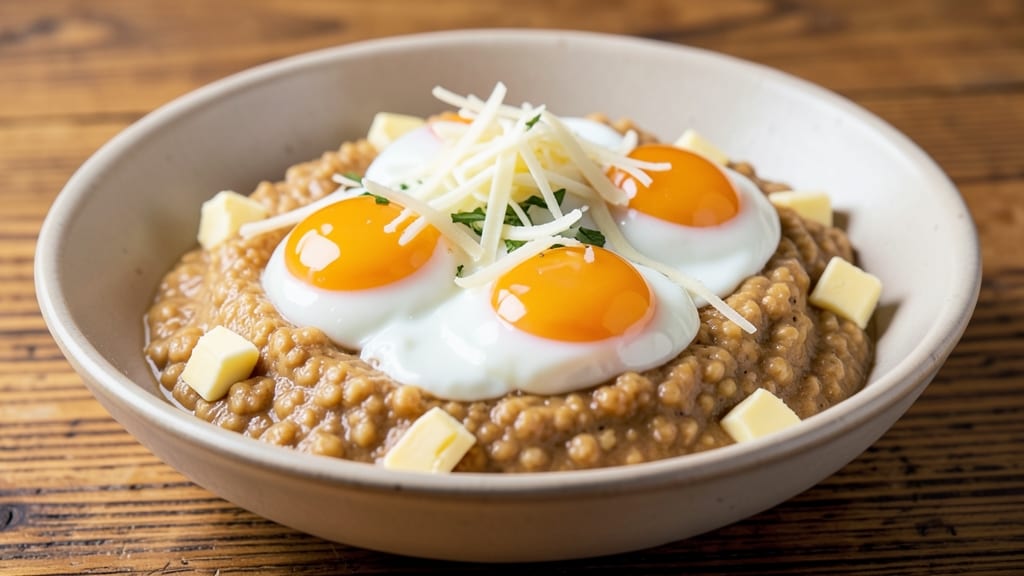
This another broken egg city grits recipe transforms a classic Southern breakfast into something extraordinary—creamy stone-ground grits topped with perfectly poached eggs and a velvety cheese sauce that ties everything together.
The magic happens in the layers: tender grits, runny yolks, and melted cheese that creates a luxurious, comforting bite every time.
I've perfected this technique over years of testing, ensuring the grits stay perfectly creamy while the eggs remain silky and the cheese sauce adds just the right amount of richness.
The secret to these grits lies in the method: cooking them slowly in chicken broth until they reach that signature velvety texture, then layering them with poached eggs and a smooth, cheesy sauce that binds it all.
This isn't just breakfast—it's a restaurant-quality dish that feels like a hug on a plate.
The broken egg yolk magic happens when the heat from the grits gently cooks the egg just enough to create that perfect runny center, while the cheese sauce adds a creamy, savory finish that makes every bite worth savoring.
What sets this recipe apart is the balance—creamy grits, tender eggs, and a sauce that's rich without being heavy. The result is a dish that's hearty enough for a weekend brunch but simple enough for a weeknight treat.
Whether you're serving it to a crowd or enjoying it solo, this recipe delivers on comfort, texture, and flavor in every spoonful. Ready to elevate your grits game? Let's get started.
The plating is just as important as the cooking. Serve the grits in a deep bowl, topped with the poached egg and a generous drizzle of cheese sauce, so the yolk can break into the creamy base with the first bite.
Garnish with a sprinkle of fresh herbs or a dash of hot sauce for extra depth. This isn't just another grits recipe—it's a showstopper that proves breakfast can be both indulgent and satisfying.
Ingredients for another broken egg city grits
Creamy grits, velvety cheese sauce, and perfectly poached eggs make this Southern classic extraordinary.
| Ingredient | Amount | Notes |
|---|---|---|
| Stone-Ground Grits 🍚 | 1 cup | Uncooked, coarse grind preferred |
| Chicken Broth 🍲 | 3 cups | Low-sodium, homemade or quality store-bought |
| Large Eggs 🥚 | 4 whole | Fresh, room temperature for poaching |
| White Cheddar Cheese 🧀 | ½ cup | Shredded, sharp variety recommended |
| Heavy Cream 🥛 | ¼ cup | Full-fat for velvety sauce |
| Unsalted Butter 🧈 | 2 tbsp | Cold, for cheese sauce base |
| White Vinegar 💧 | 1 tbsp | For poaching eggs |
| Salt 🧂 | 1 ½ tsp | Kosher or sea salt, adjust to taste |
| Black Pepper 🌶️ | ½ tsp | Freshly ground for finishing |
| Fresh Chives 🌿 | 1 tbsp | Chopped, for garnish |
| Hot Sauce 🔥 | 1 tsp | Optional, for serving |
| White Pepper 🌶️ | ¼ tsp | For subtle seasoning |
The grits are the foundation—stone-ground makes all the difference for that signature texture. Bob's Red Mill or Stoneground Grits by Annie's are my go-tos, but any coarse grind works. For the broth, homemade chicken stock elevates the flavor, but Swanson or Pacific Foods low-sodium versions are solid shortcuts. The cheese sauce relies on sharp white cheddar—avoid pre-shredded (it's coated with anti-caking agents). If you can't find it, Parmigiano-Reggiano adds a nice depth. The eggs should be fresh—room temperature makes poaching easier. I always buy a dozen from local farms when possible, but grocery store eggs work fine if they're within a week of the sell-by date.
No chicken broth? Vegetable broth with a chicken bouillon cube works in a pinch. For the cheese sauce, half-and-half can replace heavy cream if needed, though it won't be as rich. The vinegar for poaching is crucial—apple cider vinegar adds a subtle sweetness, but white vinegar is fine. If you're short on chives, green onions or parsley work, though chives have that distinct oniony brightness. The grits should be smooth as silk—if they're grainy, blend them after cooking. For the eggs, vinegar in the water prevents spreading, but if you're nervous, use an egg poacher or even a fine-mesh strainer. The key is patience—let them cook gently for that perfect runny yolk.
Grits reheat beautifully—just add a splash of broth or water to loosen them. Store leftovers in the fridge for up to 3 days, covered tightly to prevent drying. The cheese sauce can be made ahead and reheated gently on the stove. For the eggs, poach them fresh or store in the fridge for up to 2 days in their poaching liquid. Garnish with hot sauce right before serving—it loses its kick if added too early. This dish is all about the layers of texture and temperature: creamy grits, warm cheese sauce, and that silky egg yolk breaking into the mix. Serve immediately for the full experience.
Why You'll Love This Recipe
- Five-Ingredient Magic: I swear, this recipe is one of those rare dishes where the ingredient list reads like a grocery store shortcut, but the result feels like a restaurant special. Stone-ground grits, chicken broth, eggs, cheddar, and cream—it’s the kind of combo that makes me feel clever for remembering it.
- Creamy Cheesy Crunch: That moment when the eggs set into crispy edges while staying silky inside? It’s the best of both worlds. The white cheddar melts into the grits, and the heavy cream ties it all together—like a hug in a bowl. (Honestly, I’ll take seconds over salad any day.)
- Weeknight to Brunch: Make it for dinner when you’re too tired to plan, or serve it up for brunch when friends drop by unexpectedly. The grits reheat like a dream, and the eggs stay perfect—no sad rubbery yolks here. It’s my go-to when I need something that’s both impressive and effortless.
- Budget Breakfast for Days: Between us, this recipe is a lifesaver when money’s tight. A box of grits, a few eggs, and basic pantry staples stretch to feed four for under $10. Plus, leftovers taste just as good the next day—proof that simple meals can be the most satisfying.
Step-by-step instructions for velvety cheese grits with poached eggs
Here's how to create restaurant-quality grits with a decadent cheese sauce and perfectly runny yolks.
Cook the Grits to Creamy Perfection
Combine the 1 cup stone-ground grits and 1.5 teaspoons salt in a medium saucepan. Add the 3 cups chicken broth and bring to a boil over medium-high heat. Once boiling, reduce heat to low and stir frequently with a wooden spoon for 20-25 minutes until the grits are tender and the mixture reaches a thick, creamy consistency.
I like to press the grits against the side of the pan occasionally—they should slide off smoothly when fully cooked. If the mixture looks too thick before the time is up, add 1-2 tablespoons of water at a time. The grits are done when they're smooth and creamy, not grainy. Keep the pan off heat while you prepare the eggs.
Poach the Eggs to Runny Yolk Perfection
Fill a deep skillet with 3 inches of water and bring to a gentle simmer over medium-low heat. Add the 1 tablespoon white vinegar—this helps the whites coagulate properly. Crack each of the 4 large eggs into a small bowl (this prevents shell fragments from falling in). Using a spoon, stir the water to create a gentle whirlpool, then slide each egg into the center.
Poach for 3-4 minutes for runny yolks. You'll know they're ready when the whites are set but the yolks remain liquid. Use a slotted spoon to transfer the eggs to a paper towel-lined plate to drain. Keep them warm while you prepare the cheese sauce.
Create the Velvety Cheese Sauce
Return the cooked grits to the stove over low heat. Add the 2 tablespoons cold unsalted butter, 0.5 cup shredded white cheddar cheese, and 0.25 cup heavy cream. Stir constantly with a wooden spoon until the cheese melts completely and the sauce becomes silky smooth—about 3-4 minutes. If the sauce thickens too much, whisk in 1-2 tablespoons of hot chicken broth to reach your desired consistency.
Season with 0.5 teaspoon black pepper and 0.25 teaspoon white pepper. Taste and adjust seasoning—you might need a pinch more salt since the cheese is salty. The sauce should coat the back of a spoon with a velvety texture, not be grainy or clumpy.
Assemble and Garnish
Divide the cheese grits among 4 serving bowls. Place one poached egg in the center of each portion. Drizzle any remaining cheese sauce around the edges. Garnish with 1 tablespoon chopped fresh chives and a dash of 1 teaspoon hot sauce if desired. Serve immediately while the yolks are still runny and the grits are piping hot.
This dish is all about contrast—the creamy, cheesy grits balanced by the rich, runny yolks. The vinegar-poached eggs stay perfectly centered, and the chives add a fresh finish. Don't skip the hot sauce—it cuts through the richness beautifully.
Pro Tips For Making Another Broken Egg City Grits
- STIR CONSTANTLY FIRST 10 MINUTES: Stone-ground grits are stubborn little devils when they first hit the water. I learned this the hard way—skipping the stir for even 30 seconds means you’ll end up with a gritty, uneven mess. Use a wooden spoon and keep it moving over medium-high heat until the grits release their starch and thicken noticeably. After that, you can ease up, but those first minutes are non-negotiable.
- SALT THE BROTH LIKE THE SOUTH: If your chicken broth isn’t already salted, add 1½ teaspoons of kosher salt per 4 cups of liquid—this isn’t optional. The grits absorb flavor like a sponge, and bland broth makes for boring grits. Pro move: Taste the broth before adding the grits, then adjust. You’ll notice the difference in every bite.
- DON’T OVERMIX THE EGGS: Crack those eggs into a bowl first, then whisk just until the yolks and whites blend—no need for a meringue. Over-whisking makes the eggs rubbery, and you’ll end up with grits that taste like scrambled eggs instead of creamy, rich pockets. I used to go full speed, but now I just fold them in gently with a spatula.
- MELT THE CHEESE LOW AND SLOW: Once the eggs are folded in, reduce the heat to low and let the cheddar melt gradually. I was skeptical until I tried it—dumping shredded cheese into hot grits makes them clump into a sad, gloppy mess. A minute or two of gentle heat ensures smooth, gooey strands that coat every bite. Patience here makes all the difference.
Troubleshooting this dish
Grits Too Grainy?
Stone-ground grits should be silky smooth, but if yours turn out grainy, you likely didn’t cook them long enough or stirred enough. The key is low and slow—keep the heat at low and stir every 2-3 minutes with a wooden spoon.
If they’re still gritty after 25 minutes, blend them with an immersion blender or transfer to a regular blender and pulse until smooth. For extra creaminess, stir in 1 tablespoon cold butter at the end. 🌡️
Poached Eggs Spread?
Eggs spreading in the water mean the heat was too high or the water wasn’t moving enough. Always use a gentle simmer (small bubbles, not rolling) and create a whirlpool with a spoon before sliding in the eggs.
If your eggs still spread, try adding 2 tablespoons white vinegar to the water or use a fine-mesh strainer to hold the whites together while poaching. Fresh eggs are less likely to spread than older ones. 🥚
Cheese Sauce Too Thick?
A clumpy or overly thick cheese sauce usually means the heat was too high or the cheese wasn’t incorporated slowly. Melt the cheese over low heat and whisk constantly until fully dissolved.
If it’s still too thick, thin it with 1-2 tablespoons hot chicken broth or heavy cream, one tablespoon at a time. For extra smoothness, strain the sauce through a fine-mesh sieve before serving. 🧀
Eggs Overcooked?
Overcooked eggs happen when the water boils too vigorously or the eggs sit too long. Keep the water at a gentle simmer (not a full boil) and poach for no more than 3-4 minutes for runny yolks.
If your eggs are overdone, try poaching them in ice water for 1 minute after removing from the simmering water to halt cooking. Fresh eggs also hold their shape better than older ones. ⏱️
Grits Too Dry?
If your grits lose moisture and become dry, you likely didn’t cover them while resting or reheated them incorrectly. After cooking, transfer the grits to a lidded pot and let them sit off the heat for 5 minutes to retain steam.
To reheat, add 1-2 tablespoons broth or water and stir over low heat until creamy. For extra insurance, stir in 1 tablespoon butter while reheating. 🔥
Cheese Sauce Separates?
Separation happens when the sauce is heated too quickly or the fat content is unbalanced. Always melt the cheese over low heat** and whisk in the butter and cream gradually. If separation occurs, whisk in 1 tablespoon cold butter and a splash of broth to re-emulsify.
For a foolproof method, melt the butter first, then whisk in the cheese until fully dissolved before adding the cream. 💡
Nutrition facts
Frequently asked questions
Can I make this recipe with instant grits?
The recipe calls for stone-ground grits because they create that signature creamy texture, but you can use instant grits in a pinch. Cook them according to package instructions (usually 3-5 minutes with more liquid), then blend until completely smooth. You may need to add extra broth or heavy cream to reach the same velvety consistency. The flavor won't be quite as rich, but it'll still be delicious!
How do I keep the grits from getting grainy?
Grainy grits usually mean they weren't cooked long enough or stirred frequently. Keep the heat at low and stir every 2-3 minutes with a wooden spoon. If they're still gritty after 25 minutes, blend them with an immersion blender or transfer to a regular blender and pulse until completely smooth. Stirring in 1 tablespoon cold butter at the end also helps create that silky texture.
What's the best cheese for this recipe?
Sharp white cheddar is ideal for its meltability and flavor, but you can use other melting cheeses like Gruyère or Parmigiano-Reggiano for a different depth. Avoid pre-shredded cheese (it contains anti-caking agents that prevent smooth melting). If you can't find white cheddar, a mix of sharp cheddar and Monterey Jack works well too. The key is choosing a cheese that melts smoothly and complements the rich flavors of the grits and eggs.
Can I make this ahead of time?
You can prep components ahead, but assemble the dish fresh for best results. Cook the grits and cheese sauce up to 1 day ahead, storing them separately in the fridge. Reheat the grits gently with a splash of broth, then add the cheese sauce just before serving. Poach the eggs fresh or store them in their poaching liquid for up to 2 days. The magic of this dish comes from the contrast of warm, creamy grits and runny yolks, so serving immediately ensures the perfect texture.
Why does my cheese sauce get clumpy?
Clumpy cheese sauce usually means the heat was too high or the cheese wasn't incorporated slowly. Always melt the cheese over low heat and whisk constantly until fully dissolved. If it's still clumpy, strain it through a fine-mesh sieve for a silky finish. For extra insurance, melt the butter first, then whisk in the cheese until completely melted before adding the cream. This gradual process prevents lumps and ensures a velvety sauce.