
Breakfast & Brunch
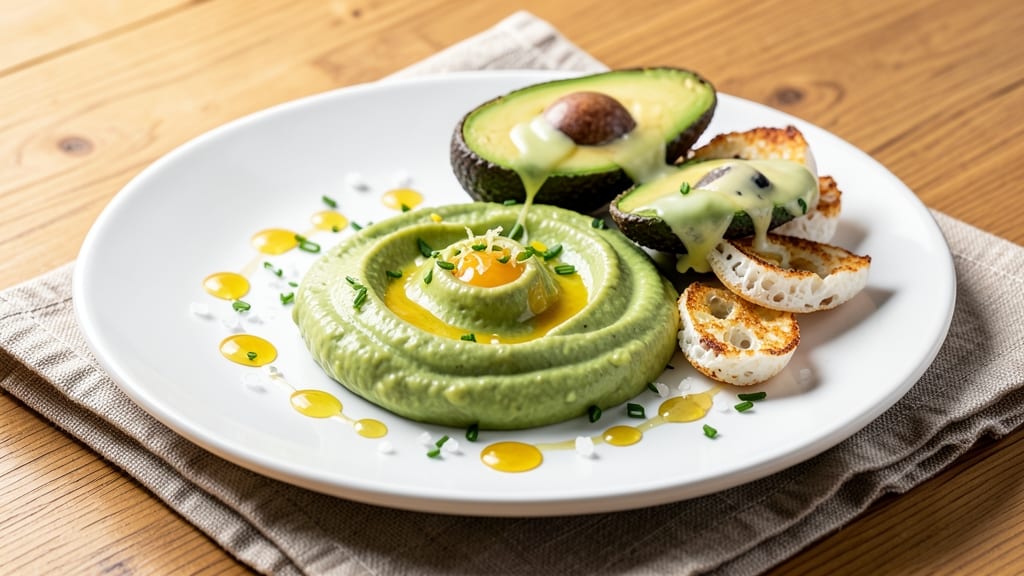
This avocado egg mayonnaise transforms simple ingredients into a velvety, ultra-creamy spread with a perfect balance of rich yolk and healthy fats. The secret lies in blending ripe avocado with egg yolks and acid—creating a stable emulsion that stays smooth and spreadable for days.
Unlike traditional mayo, this version delivers creaminess without excess oil, making it ideal for sandwiches, dips, or even as a base for dressings.
The recipe relies on a foolproof emulsification technique—whisking egg yolks with avocado until fully combined before gradually adding oil. A splash of lemon juice or vinegar ensures the texture holds while brightening the flavor.
With just 5 simple ingredients, you’ll achieve a spread that’s richer than store-bought mayo but lighter on the calories. The result? A silky, tangy condiment that elevates everything from toast to tacos.
What sets this apart is its stability and shelf life—when stored in an airtight container in the fridge, it stays fresh for up to 5 days, with no separation. The avocado’s natural fats replace the need for excessive oil, while the egg yolks add depth and structure.
Perfect for meal prep, this mayo is also gluten-free, dairy-free, and packed with healthy fats—no compromises on flavor or texture.
Use it as a sandwich spread, dip for veggies, or even a creamy base for soups. The possibilities are endless, but the technique is simple: blend, emulsify, and enjoy. Let’s get started!
Ingredients for avocado egg mayonnaise
Five ingredients transform into a velvety, ultra-stable mayo that rivals store-bought—healthier and richer.
| Ingredient | Amount | Notes |
|---|---|---|
| Ripe Avocados 🥑 | 2 whole | Firm but yielding when squeezed |
| Large Egg Yolks 🥚 | 4 whole | Fresh, room-temperature preferred |
| Extra-Virgin Olive Oil 🫒 | ½ cup | Light, fruity variety for balance |
| Fresh Lemon Juice 🍋 | 2 tbsp | Bright, acidic for stability |
| Diamond Crystal Kosher Salt 🧂 | ½ tsp | Fine grain for even seasoning |
| White Vinegar 🍶 | 1 tsp | For extra tang and preservation |
| Garlic Cloves 🧄 | 1 clove | Minced, optional for depth |
The avocados are non-negotiable here—Hass variety at peak ripeness (just slightly soft when squeezed) delivers the perfect fat-to-creaminess ratio. Trader Joe's or Whole Foods carry the ripest ones, but grocery store avocados work if they're not mushy. Egg yolks? Pasture-raised if you can find them—they're richer and more stable when emulsified. Room temperature yolks blend smoother, so take them out 10 minutes before using. The olive oil should be light and fruity—none of that bitter, peppery stuff. California Extra Virgin brands like Corto or Gaea are perfect. And for the acid? Fresh lemon juice always wins over bottled—it brightens the flavor and helps the emulsion hold.
No avocados? Silken tofu or mashed white beans can mimic the fat content, but texture will differ slightly. Short on yolks? Vegan mayo base (like Just Mayo) plus extra avocado works in a pinch. The vinegar is optional but recommended—it extends shelf life and adds a subtle depth. Apple cider vinegar adds complexity if you want to get fancy. For the garlic, roasted garlic mellows the flavor perfectly, but fresh minced works too. Pro tip: if your mayo breaks, a splash of warm water or another yolk usually saves it. And if you're worried about raw eggs, pasteurized yolks are a safe swap—just check the label.
This mayo keeps beautifully—5 days in the fridge sealed in an airtight container, no separation. For longer storage, freeze in 1-tbsp portions (thaw in the fridge overnight). The texture actually improves after the first day as flavors meld. Store the lemon juice separately if you're prepping ahead—add it just before using. And if you make a double batch, trust me, you will. It disappears faster than you think—especially when paired with crispy toast or fresh veggies.
Why You'll Love This Recipe
- No-Fuss Blender Magic: I swear by this recipe when I’m in a rush—just toss in the avocado, yolks, olive oil, and lemon juice, then pulse. No whisking, no straining, no mess. That creamy texture happens in seconds, and honestly? It’s the only mayo I’ll ever make again.
- Rich Without Guilt: Between us, this is the healthiest mayo I’ve ever loved. The avocado keeps it thick and luscious, while the olive oil adds that deep, fruity richness. A single bite on toast—crispy from the pan, still warm—makes me forget about store-bought mayo entirely.
- Weeknight Superstar: This is my go-to for sandwiches, tacos, or even as a dip for veggies when I’m too tired to cook. It’s the kind of thing that makes me feel like I’ve put in effort, even though I just blended a few things. My kids ask for it every week, no lie.
- Lasts Like a Champ: I make a big batch on Sundays and it stays fresh for days in the fridge. The lemon juice keeps it from turning, and the avocado actually gets better after a day or two—more mellow, still perfect. Best of all? It’s cheaper than buying jars of mayo, and I control the salt. Win.
Step-by-step instructions for avocado egg mayonnaise
This ultra-creamy spread delivers restaurant-quality texture with a perfect balance of rich avocado and velvety egg yolks.
👨🍳 Step 1: Prepare the Avocado Base
Cut the 2 whole ripe avocados in half, remove the pits, and scoop the flesh into a food processor. I like to use a microplane to scrape out every last bit—avocado flavor matters. Add the 0.5 teaspoon diamond crystal kosher salt and 1 teaspoon white vinegar to the processor. These ingredients work together to stabilize the emulsion and add brightness.
Pulse the mixture until completely smooth, scraping down the sides with a spatula as needed. You want a completely homogeneous texture with no visible chunks—this ensures your mayonnaise will be perfectly creamy. If the mixture looks too thick, add 1 tablespoon of water to help it blend more easily. The avocado should now be smooth enough to spread like butter.
🍳 Step 2: Create the Emulsion with Egg Yolks
Transfer the avocado mixture to a medium bowl. Add the 4 whole large egg yolks and the 2 tablespoons fresh lemon juice. The lemon juice is crucial here—it adds acidity that helps stabilize the emulsion and prevents the mayonnaise from breaking. Use a hand mixer or whisk to combine these ingredients thoroughly until completely smooth.
This is where the magic happens. The egg yolks contain lecithin, a natural emulsifier that will bind the oil and avocado together. I always use room-temperature yolks—they blend more smoothly and create a more stable emulsion. If your yolks are cold, warm them slightly in a bowl of warm water for 2-3 minutes before mixing.
🥘 Step 3: Gradually Incorporate the Olive Oil
With the mixer running on low speed, very slowly drizzle in the 0.5 cup extra-virgin olive oil. This gradual addition is absolutely critical—adding oil too quickly will cause the emulsion to break. Start with just a few drops at a time, allowing the mixture to fully incorporate before adding more. You'll see the mixture thicken and become creamy as the oil emulsifies.
Continue mixing on low speed for 3-4 minutes total, adding oil gradually until all the oil is incorporated. The mayonnaise should now have a thick, mayonnaise-like consistency. If it's too thick, add 1 teaspoon of water at a time until it reaches your desired consistency. The texture should be smooth, creamy, and hold its shape when spread.
🔪 Step 4: Add Garlic and Final Adjustments
While the mixer is still running, add the minced 1 clove garlic. I find that adding garlic at this stage allows it to distribute evenly throughout the mayonnaise without creating clumps. Mix for an additional 30 seconds to fully incorporate. Taste and adjust seasoning if needed—add more salt if it needs more punch, or more lemon juice if it needs more brightness.
Transfer the mayonnaise to a clean jar or container and refrigerate for at least 30 minutes before serving. This chilling time allows the flavors to meld together and the texture to set slightly, making it even more stable. The mayonnaise will keep in the refrigerator for up to 5 days, though I find it's best used within 2-3 days for maximum freshness.
Pro Tips For Making Avocado Egg Mayonnaise
- Whisk Yolks Cold: Grab those egg yolks straight from the fridge—no room temp nonsense. Cold yolks emulsify like magic, blending smoother and holding their shape better when you slowly drizzle in that olive oil. I learned this the hard way after ending up with a greasy mess my first time.
- Mash Avocados Dry: Drain and pat your avocado flesh completely dry before mashing—no slippery pulp here. A paper towel works wonders, and it keeps your mayo from separating later. Sounds tedious, but trust me, it’s the thing that matters most for that silky texture.
- Drizzle Oil Slowly: Pour that olive oil drop by drop at first, then gradually increase speed once the yolks start to thicken. Rushing it? You’ll end up with a sad, broken sauce. I was skeptical until I tried it—now I never go back.
- Salt the Avocado First: Sprinkle a pinch of kosher salt directly into the mashed avocado before mixing it with the mayo. It brightens the flavor and balances the richness, so you don’t need to over-salt later. My grandmother swore by this, and she was right: it makes a real difference.
Essential equipment for this recipe
Food Processor
The heart of this recipe is a high-quality food processor—I recommend the Ninja BN601 for its powerful motor and sharp blades. The blade needs to puree avocado smoothly to avoid graininess in your mayo.
If you don’t have one, a handheld immersion blender like the Ninja MagiMix works too, though it requires more elbow grease. Avoid cheap processors—they struggle with avocado’s fat content and can overheat. 🥑
Hand Mixer
A stand mixer with a whisk attachment (like the KitchenAid Artisan Series) is ideal for emulsifying the oil—it handles the gradual incorporation better than a hand mixer. If you prefer handheld, the Hamilton Beach 58340 is a reliable budget option.
The key is low speed to prevent breaking the emulsion. Never rush this step—patience is everything when blending mayo. ⚡
Measuring Tools
Precision matters with this recipe. Use a liquid measuring cup for the olive oil and a small kitchen scale (like the OXO Good Grips) for salt—it’s easier than measuring teaspoons. For lemon juice, a juicer (like the OXO Good Grips) ensures maximum yield.
I also keep a microplane handy for scraping avocado pits clean. Don’t eyeball measurements—this mayo relies on balance. 🧂
Storage Containers
Transfer your finished mayo to glass jars with airtight lids (like Le Parfait or Ball Mason jars). Glass preserves flavor better than plastic and won’t absorb odors. For portion control, use small silicone molds (like Epicurean) to freeze single-serving amounts.
Label containers with dates—this mayo stays fresh for 5 days refrigerated or 1 month frozen. ❄️
Optional Extras
For garlic lovers, a garlic press (like the OXO Good Grips) makes mincing effortless. If you’re experimenting, a thermometer (like the Thermoworks Thermapen) helps monitor avocado ripeness—ideal temp is 68-72°F.
And for texture testing, a spreadability gauge (a simple knife works!) ensures your mayo reaches that perfect knife-cut consistency. 💡
Nutrition facts
Frequently asked questions
Can I make this without a food processor?
You can blend the avocado by hand with a fork or whisk until completely smooth, then use a hand mixer for the egg yolks and oil. The key is patience—whisk vigorously for 5-7 minutes to achieve the same creamy texture. For extra insurance, add 1 tablespoon of water to help with emulsification.
Why does my avocado mayo separate?
Separation usually happens when oil is added too quickly or the mixture isn't cold enough. Always add oil drop by drop while mixing on low speed, and chill the bowl in an ice bath if needed. If it breaks, whisk in 1 extra yolk or 1 teaspoon of warm water to restore the emulsion. The lemon juice and vinegar help stabilize it—don't skip these!
How do I know when my avocados are perfectly ripe?
Gently press the avocado—it should yield slightly to pressure (like a ripe peach) but not be mushy. The stem should come off easily, and when you cut it open, the flesh should be deep green with no brown spots. For this recipe, Hass avocados at this stage give the creamiest texture without excess water.
Can I substitute olive oil with another oil?
Avocado oil or light-tasting oils like grapeseed work well, but avoid strong-flavored oils like walnut or sesame—they'll overpower the delicate balance. For a neutral option, refined coconut oil (melted) works in a pinch, though it lacks the fruity notes of olive oil. Always use a high-smoke-point oil to prevent burning during emulsification.
What are the best ways to use this avocado mayo?
Spread it on toast with smoked salmon, use it as a dip for veggies or chips, or mix it into tuna salad for extra creaminess. It also works beautifully in pasta salads or as a base for creamy dressings. The rich, velvety texture makes it perfect for sandwiches—try it with grilled chicken or avocado toast!