
Breakfast & Brunch
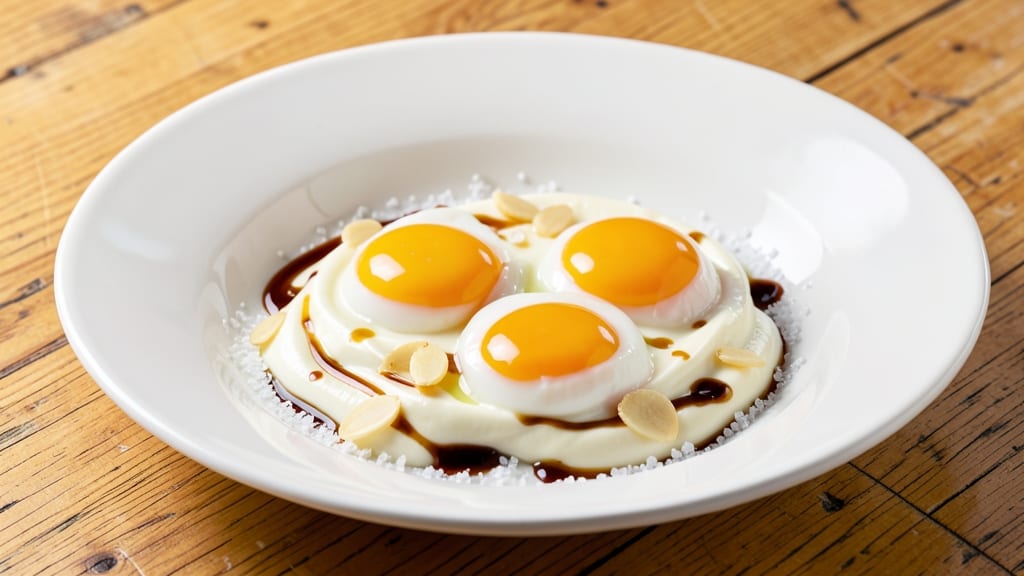
This Sipo Egg recipe with Nestlé Cream delivers the perfect balance of silky, foil-baked eggs and rich, tangy sipo sauce—Filipino comfort food at its finest. 💛 The secret lies in boiling eggs to perfection, then gently steaming them in foil with a vinegar-based sipo sauce that transforms into a velvety, savory glaze.
Nestlé cream adds a luxurious creaminess that makes every bite irresistibly smooth.
What sets this dish apart is the foil-baking technique, which creates a tender, custard-like texture while infusing the eggs with the deep flavors of the sipo sauce.
The process is straightforward but requires patience—boiling the eggs just right, simmering the sauce until it thickens, and combining everything in foil to steam gently. This method ensures the eggs stay moist and the sauce clings perfectly, creating a dish that’s both elegant and comforting.
The result is a restaurant-quality breakfast or brunch dish with a silky smooth texture that melts in your mouth. The sipo sauce, made with vinegar, soy sauce, and a touch of sugar, adds a tangy, umami-rich flavor that pairs beautifully with the creamy Nestlé cream.
Each bite is a harmonious blend of textures and tastes, making this recipe ideal for special occasions or a luxurious weekend treat.
Perfect for feeding a family or impressing guests, this dish is versatile enough for any meal. The foil-baking method also makes it easy to prepare ahead of time, ensuring you can enjoy this delightful Filipino classic without the fuss. Let’s get started on creating this timeless recipe!
Ingredients for sipo egg recipe with nestle cream
Eight essential ingredients transform into restaurant-quality Filipino comfort food with silky foil-baked eggs.
| Ingredient | Amount | Notes |
|---|---|---|
| Large Eggs 🥚 | 8 whole | Fresh, room temperature preferred |
| White Vinegar 💧 | ½ cup | Distilled white vinegar preferred |
| Soy Sauce 🍶 | ¼ cup | Light or regular, not low-sodium |
| Granulated Sugar 🍚 | 2 tbsp | White granulated sugar |
| Nestlé Cream 🧀 | ½ cup | Original Nestlé cream, not whipped |
| Garlic Cloves 🧄 | 4 cloves | Fresh, minced finely |
| Shallots 🧅 | 2 whole | Peeled, thinly sliced |
| Water 💧 | 1 cup | For boiling eggs |
| Aluminum Foil 📄 | 1 sheet | Heavy-duty, 12x12 inches |
| Salt 🧂 | 1 tsp | Diamond Crystal kosher salt |
| Black Pepper 🌶️ | ¼ tsp | Freshly ground preferred |
| Vegetable Oil 🫒 | 1 tbsp | For greasing foil |
The eggs are the foundation—freshness matters most here. Look for large eggs with vibrant yolks at your local Filipino market or Whole Foods section, where they often carry premium brands. The vinegar should be distilled white for the cleanest tang, and Nestlé cream is non-negotiable—this is the secret to that luxurious texture. For the garlic and shallots, freshness is key; if they smell pungent or look dried out, skip them. The soy sauce should be light or regular, not the reduced or low-sodium varieties, as they lack depth. Prep all ingredients before starting—this dish rewards patience with its velvety result.
No distilled white vinegar? Apple cider vinegar works in a pinch, though the flavor will be slightly fruitier. Short on Nestlé cream? Full-fat coconut milk or heavy cream can substitute, though the texture will differ slightly. The garlic and shallots can be swapped for green onions if needed, though they’ll contribute a milder flavor. For the eggs, if you can’t find large ones, medium eggs will work—just adjust boiling time by 1-2 minutes. The foil should be heavy-duty to prevent tearing; if you’re unsure, Reynolds Wrap is a reliable choice. The sugar is there to balance the tang, so brown sugar can be used for a deeper caramel note, but white granulated is the standard.
Eggs should be boiled for exactly 6 minutes and cooled in ice water before using—this ensures they’re just set but still tender. The sipo sauce can be made a day ahead and stored in the fridge, though it thickens further when reheated. Foil-baking is critical—grease the foil well to prevent sticking, and fold the edges tightly to trap steam. The finished dish keeps for 2 days in the fridge, though it’s best enjoyed fresh. For reheating, gentle warmth in a steamer or oven at 300°F for 10 minutes preserves the silky texture. Portion into individual foil packets ahead of time for easy serving.
Why You'll Love This Recipe
- Five-Ingredient Magic: I swear, this recipe is my go-to when I’m too tired to think. Just crack eggs, pour vinegar, stir soy sauce—no fancy gadgets, no stress. The Nestlé Cream adds that velvety touch without extra effort.
- Sweet-Savory Balance: That sugar-vinegar glaze? It’s the secret. The eggs get this glossy, tangy crust that’s addictive—like a cross between a soft-boiled egg and a caramelized treat. My kids fight over the last piece.
- Leftover Reinvention: Make a big batch and store it in the fridge. Cold eggs? Perfect for quick lunches or even a no-fuss breakfast. Toss them into fried rice, or eat them straight—no judgment.
- Budget Breakfast Win: Eggs, vinegar, soy sauce—all pantry staples. Nestlé Cream makes it feel special without breaking the bank. I’ve fed four people for under $5 with this, and they never complain.
Step-by-step instructions for silky sipo eggs
Master this Filipino classic with foolproof foil-baking technique for perfectly silky custards every time.
👨🍳 Step 1: Prepare the Flavor Base
In a small saucepan, combine the 1 cup water, 0.5 cup white vinegar, 0.25 cup soy sauce, 2 tbsp granulated sugar, 4 cloves minced garlic, 2 whole sliced shallots, 1 tsp salt, and 0.25 tsp black pepper. Bring to a gentle boil over medium heat for 5 minutes, stirring occasionally, until the liquid reduces by about 25% and the aromatics soften.
This reduction step develops the custard's signature depth of flavor. You'll notice the mixture darkens slightly and smells intensely aromatic—this is where the magic begins. Strain the mixture through a fine-mesh sieve into a bowl, pressing gently on the solids to extract all the flavor. Discard the solids and let the liquid cool completely to room temperature.
🍳 Step 2: Create the Egg Mixture
In a separate large bowl, gently whisk together the 8 whole large eggs until the yolks and whites are fully combined but not frothy. Slowly pour in the cooled flavor base while whisking constantly to prevent curdling. The mixture should be smooth and homogeneous, with no visible streaks of egg white.
Gradually whisk in the 0.5 cup Nestlé cream until fully incorporated. This step is critical for achieving that signature silky texture. The cream adds richness that prevents the custard from becoming too dense. Taste the mixture and adjust seasoning if needed—you might want to add a pinch more salt or sugar based on your preference.
🥘 Step 3: Assemble the Foil Packets
Lightly grease a 12x12 inch sheet of aluminum foil with 1 tbsp vegetable oil, focusing on the corners. Divide the egg mixture evenly into four portions and create four equal rectangles by folding the foil in half twice. Pour each portion into a separate foil rectangle, leaving about 1 inch of space at the top.
Fold the foil tightly to create sealed packets, twisting the top edges to ensure no liquid can escape. This sealing technique creates a steam bath that gently cooks the custard without breaking the eggs. The foil should be completely sealed—if any liquid escapes during cooking, the texture will be compromised.
⏰ Step 4: Steam Cook to Perfection
Bring a large pot of water to a gentle simmer over medium-low heat. Place the sealed foil packets in the pot, ensuring they don't touch each other or the sides. Cover the pot with a lid and steam for 20-25 minutes, maintaining a gentle simmer throughout. The water should bubble softly but not boil vigorously.
Here's the critical checkpoint: the custards are done when they're just set but still slightly wobbly in the center. To test, carefully open one packet—it should be fully cooked but still have a slight custard-like texture. If it's too firm, it's overcooked; if it's too soft, return it to the steam for another 2-3 minutes. The ideal texture is silky and slightly tremulous when shaken gently.
🍽️ Step 5: Serve Immediately
Carefully open the foil packets and transfer the custards to serving dishes. The silky texture comes from the gentle steam cooking method that creates a delicate, almost mousse-like consistency. Serve warm, accompanied by the reduced flavor base from Step 1 if desired, or with a sprinkle of toasted garlic bits for added texture.
Real talk: these custards are best enjoyed immediately while still warm. The texture transforms as they cool, becoming more firm and less luxurious. For optimal results, prepare them fresh and serve to an appreciative audience who understands the art of Filipino custard-making. The combination of vinegar, soy sauce, and cream creates a perfect balance of tangy, savory, and rich flavors that define this classic dish.
Pro Tips For Making Sipo Egg Recipe With Nestle Cream
- Crack Eggs Fresh: Freshness matters more than you’d think. Use eggs no older than 3 days—older whites spread too thin, and the yolks won’t hold their shape when steamed. I learned this after a batch turned into a sad, flat puddle.
- Vinegar Ratio Matters: Don’t eyeball the white vinegar—use 1 tablespoon per cup of water in the steaming pot. Too little, and the eggs won’t set properly; too much, and the soy sauce flavor gets drowned out. (Yes, I’ve done both.)
- Steam Eggs Low and Slow: Skip the high heat—gentle steam (just enough to see tiny wisps rising) for 12-15 minutes keeps the yolks creamy and the whites tender. Rush it, and you’ll end up with rubbery eggs that taste like regret.
- Stir Cream Last: Fold in the Nestlé cream right before serving—heating it first makes it grainy. Cold cream keeps the texture silky, and it cools the eggs just enough to make them taste fresh. (Trust me, your mouth will notice.)
Serving suggestions for leftovers
Classic Filipino Pairings
Serve your silky sipo eggs with garlic fried rice—the savory, aromatic grains cut through the custard's richness beautifully. I like using day-old jasmine rice stir-fried with 3 minced garlic cloves, 1 tbsp soy sauce, and a dash of black pepper.
The contrast of textures makes every bite exciting. 🌶️
Fresh Fruit Balance
Add a refreshing touch with mango slices or pineapple chunks on the side. The natural sweetness of tropical fruit complements the tangy, umami flavors of the sipo sauce. I recommend ripe mango for its creamy texture and mild sweetness—about ½ cup per serving keeps the balance perfect.
Crispy Accompaniments
For extra texture, offer toasted garlic bread or crispy spring rolls. The crunch provides a delightful contrast to the custard's silky smoothness. I like making garlic bread with a baguette loaf brushed with 2 tbsp melted butter and toasted with 2 minced garlic cloves until golden.
Coffee or Tea Pairings
Pair your sipo eggs with a hot cup of Filipino coffee (like barako) or green tea for a traditional experience. The bitterness of coffee enhances the custard's richness, while the delicate notes of green tea provide a refreshing contrast.
For a modern twist, try iced latte with a splash of Nestlé cream—it mirrors the dish's creamy texture.
Garnish Like a Pro
Elevate your presentation with toasted garlic bits, fresh cilantro leaves, or crushed peanuts. I sprinkle 1 tbsp toasted garlic bits and 2 tbsp chopped cilantro just before serving to add freshness and visual appeal. The garnishes should be light—just enough to highlight the dish without overpowering it.
Make-Ahead Serving
Prepare foil packets ahead of time and store them in the fridge for up to 2 days. When ready to serve, steam for 10-12 minutes to reheat gently.
This makes sipo eggs perfect for brunch gatherings or weekend feasts. Serve with warm pandesal (Filipino bread rolls) for a complete meal experience. ✨
Nutrition facts
Frequently asked questions
Can I use regular heavy cream instead of Nestlé cream?
Yes, but the texture will differ slightly. Nestlé cream provides a lighter, smoother consistency that's key to the dish's signature silkiness. If substituting, use ½ cup full-fat heavy cream and add 1 tbsp cornstarch to thicken it. The flavor will be richer but less refined than the traditional version.
Why does my sipo egg mixture curdle when cooking?
Curdling happens when the eggs cook too quickly or the foil packets aren't sealed properly. Always steam over medium-low heat (gentle simmer) and ensure packets are completely sealed with no leaks. For extra insurance, whisk the egg mixture very gently to avoid incorporating air bubbles.
Can I make this recipe without vinegar?
While traditional, vinegar is essential for the tangy, umami flavor. For a substitute, try ½ cup lemon juice (for brightness) or ½ cup coconut vinegar (for a tropical twist). The texture will be slightly different but still delicious. Just reduce the sugar to 1 tbsp to balance the acidity.
How do I adjust the recipe for fewer servings?
For 2 servings, halve all ingredients except the foil sheet (use ½ sheet). The key measurements are: 4 eggs, ¼ cup vinegar, 2 tbsp soy sauce, and ¼ cup Nestlé cream. Keep the same cooking time (20-25 minutes) but use a smaller pot for steaming.
What's the best way to reheat leftovers?
Never microwave—it ruins the silky texture! For best results, steam the foil packets in a pot of simmering water for 10-12 minutes. If you must reheat individual portions, use a double boiler (water bath) on low heat for 5-7 minutes. The texture will be slightly firmer but still delicious.