
Main Courses
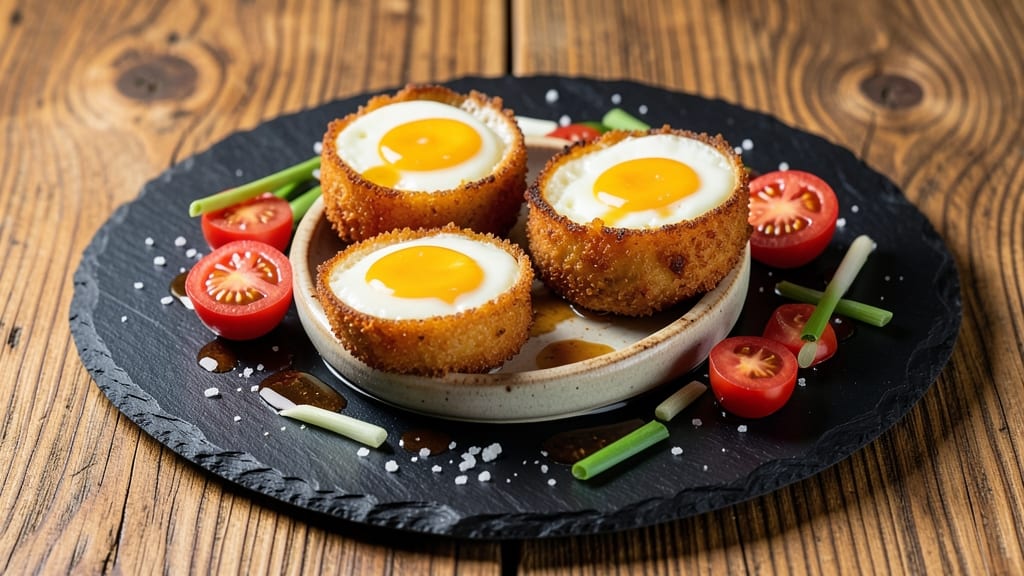
This fried boiled egg recipe delivers the perfect contrast: crispy edges meet a creamy yolk in every bite. The technique—boiling eggs first, then frying them to golden perfection—transforms a simple ingredient into something restaurant-worthy.
I perfected this after years of experimenting with textures, and it’s become my go-to for brunch or a quick protein boost.
The secret lies in the timing: boil eggs until just set, then fry them in hot oil until the whites are crispy and the yolks remain runny. This method ensures a satisfying crunch with a rich, velvety center—no rubbery eggs here.
The contrast of textures makes every bite exciting, and the process is simpler than you’d think.
Serve these eggs on toast with a drizzle of soy sauce or sriracha for extra flavor, or pair them with a fresh salad for a balanced meal. The crispy exterior holds up perfectly, while the yolk stays perfectly creamy, ready to burst with the first bite.
This isn’t just an egg—it’s a game-changer for any plate.
Whether you’re feeding a crowd or treating yourself to a solo meal, this recipe delivers foolproof results. The technique is adaptable, so you can adjust the cooking time to suit your preference—just don’t skip the frying step. Trust me, the contrast is worth it.
Ingredients for fried boiled egg
Four eggs and a few simple tools transform into crispy, creamy perfection—no shortcuts needed.
| Ingredient | Amount | Notes |
|---|---|---|
| Large Eggs 🥚 | 4 whole | Room temperature preferred |
| Vegetable Oil 🫒 | 1 ½ cups | High smoke point preferred |
| Salt 🧂 | 1 tsp | Kosher or sea salt |
| White Vinegar 🍶 | 1 tbsp | For egg water |
| Ice Cubes ❄️ | 1 cup | For ice bath |
| Soy Sauce 🥢 | 1 tbsp | For serving (optional) |
| Sriracha 🌶️ | 1 tbsp | For serving (optional) |
| Sourdough Bread 🍞 | 4 slices | For serving (optional) |
The eggs are everything here—room temperature makes all the difference. Grab the freshest eggs from the coldest part of your fridge (usually the back shelf) and let them sit out for 30 minutes before cooking. For the oil, vegetable or canola with a high smoke point works best—Mazola or Crisco are solid choices. The vinegar keeps the eggs from cracking during boiling, and the ice bath stops them at just the right moment. Pro tip: if you're prepping ahead, store peeled boiled eggs in a bowl of cold water in the fridge for up to 2 days—they'll stay fresh and ready to fry.
No vinegar? A splash of lemon juice works just as well. Running out of soy sauce? A drizzle of hot sauce or Worcestershire (vegetarian version) gives that same umami punch. For the bread, toasted sourdough is ideal, but any sturdy bread will do—baguette or even English muffins if that's what you've got. Want extra crunch? Lightly toast your bread with a sprinkle of salt before serving. And if you're feeling fancy, a sprinkle of freshly cracked black pepper over the fried eggs adds another layer of flavor that's totally worth the extra 10 seconds.
Fry these eggs fresh, but the prep can be done ahead. Boil the eggs up to 2 days in advance and store them in the fridge—just fry them when you're ready. The oil stays hot for about 2-3 uses before it starts to break down, so keep it in a small saucepan for quick reheating. Leftovers? These eggs reheat beautifully in a 350°F oven for 5-7 minutes—just pop them on a baking sheet until the whites are crispy again. Store any unused oil in a sealed container for up to 1 month in a cool, dark place.
Why You'll Love This Recipe
- Five-Ingredient Magic: I swear, this recipe is the kind of thing you’ll make just to prove it works—and then never stop. You’re basically frying eggs you’ve already boiled, so no cracking shells mid-stir-fry, no waiting for raw yolks to set. Just grab eggs, ice, vinegar, oil, and salt—no shopping list, no stress.
- Crispy-Creamy Balance: That first golden crack when you cut into it? The outside’s got a satisfying crunch from the hot oil, while the inside stays gloriously runny—like nature’s perfect dip for toast or rice. Honestly, I’ll take this over store-bought deviled eggs any day.
- Breakfast or Snack: Make a batch on Sunday and keep them in the fridge for days. They’re great cold in salads, warm in ramen, or straight-up as a snack with soy sauce. My college friends used to steal them from my lunchbox—no judgment, they were good.
- Penny-Perfect Protein: Eggs are cheap, oil is cheap, vinegar is cheap. You’re getting a high-protein, filling bite for next to nothing. Between us, this is how I feed my roommates without breaking the bank—just fry a dozen, and suddenly you’ve got dinner covered.
Step-by-step instructions for perfect fried boiled eggs
Here's how to achieve that perfect balance of crispy exterior and creamy yolk every time.
Prepare the Eggs for Cooking
Place the 4 whole Large Eggs in a saucepan and cover them completely with cold water. Add the 1 tablespoon White Vinegar to the water—this helps prevent the whites from spreading too much during cooking. Bring the water to a gentle boil over medium-high heat and immediately reduce the heat to maintain a simmer. Cook the eggs for exactly 9 minutes—this ensures the yolks stay perfectly runny while the whites set completely.
While the eggs cook, prepare an ice bath by filling a large bowl with the 1 cup Ice Cubes and a bit of cold water. When the 9 minutes are up, use a slotted spoon to transfer the eggs to the ice bath. Let them cool for 5 minutes—this stops the cooking process and makes peeling much easier later. The eggs should be completely cool to the touch before proceeding.
Create the Perfect Frying Setup
Fill a deep skillet with 1.5 cups Vegetable Oil and heat it over medium heat until it reaches 350°F—this is the ideal temperature for frying without burning. You'll know it's ready when a small piece of bread sizzles gently but doesn't brown immediately. Keep the heat steady; too hot and you'll burn the eggs, too cool and they won't get crispy.
While the oil heats, season the eggs with 1 teaspoon Salt by gently rolling them in the seasoning. This ensures even flavor distribution. Keep the eggs at room temperature—they'll fry more evenly and won't crack as easily. Have a small plate ready for draining excess oil after frying.
Fry to Crispy Perfection
Carefully place one egg at a time into the hot oil using a slotted spoon. Fry for 2-3 minutes per side until the whites are golden brown and the edges are crispy—you'll see bubbles forming around the egg as it cooks. Don't overcrowd the pan; fry one at a time for even cooking. When done, transfer the fried eggs to the prepared plate to drain excess oil.
Here's the thing—you want that crispy exterior but still creamy yolk. If the whites start to brown too quickly, reduce the heat slightly. The key is patience; if you rush it, you'll end up with tough whites. Once all eggs are fried, keep them warm in a 200°F oven while you prepare the serving components.
Assemble with Flavorful Accompaniments
Toast the 4 slices Sourdough Bread until golden and crisp—this is perfect for soaking up any extra sauce. In a small bowl, mix the 1 tablespoon Soy Sauce and 1 tablespoon Sriracha to create a quick dipping sauce. The soy adds umami depth while the sriracha brings just the right amount of heat to complement the rich eggs.
Serve the fried eggs immediately on the toasted sourdough with the sauce on the side. The contrast of crispy egg whites, creamy yolk, and warm bread creates the perfect bite. For extra presentation, you can even drizzle a little more soy-sriracha mixture over the top before serving. Enjoy while everything is hot and crispy!
Pro Tips For Making Fried Boiled Egg
- USE COLD EGGS: Pull eggs straight from the fridge—room temperature eggs crack like overconfident chefs at a dinner party. The cold yolk sets faster and cleaner when fried, giving you that perfect jammy center without the mess. (Yes, even if you’re impatient like me, wait 10 minutes if you must.)
- VINEGAR SHOCK FIRST: Toss peeled eggs into ice water before the vinegar bath. The cold stops cooking, and the vinegar loosens the shell—no more stubborn whites clinging like glue. Skip this, and you’ll be peeling with a butter knife instead of your fingers.
- HIGH HEAT, LOW TIME: Crank the oil to medium-high and fry for 20 seconds per side—just enough to crisp the exterior. Low heat = soggy eggs. High heat = burnt edges. (I learned this the hard way when my kitchen smelled like regret.)
- SALT THE ICE WATER: Add a pinch of salt to the ice bath. It seasons the egg while it chills and keeps the whites from getting rubbery. Sounds weird, but it works—like adding salt to pasta water, but for eggs. (Your future self will thank you.)
Storing and reheating this fried boiled egg
Refrigerator Storage
After frying, store your crispy eggs in an airtight container lined with a paper towel to absorb excess moisture. Place them in the fridge for up to 2 days—the crispiness will soften slightly, but the yolks stay perfectly creamy.
I always keep a few boiled eggs prepped ahead in the fridge so I can fry them fresh whenever I'm craving that texture contrast. 🥚
Freezer Prep
You can't freeze fried eggs directly, but you can freeze the boiled eggs before frying. Boil and cool them as directed, then store peeled eggs in a single layer on a tray before transferring to a freezer bag for up to 1 month.
When ready to fry, thaw in the fridge overnight and proceed with the frying step—just add 30 seconds to the frying time since they'll be slightly cooler. ❄️
Reheating Crispy Whites
For leftover fried eggs, reheat in a 350°F oven for 5-7 minutes on a wire rack over a baking sheet. This restores the crispy texture without making the yolks rubbery.
Alternatively, fry them fresh in 325°F oil for 1-2 minutes to revive the crispiness. I find oven reheating works best for maintaining that satisfying crunch. 🔥
Oil Management
Use the same oil for 2-3 batches before replacing it—just strain through a fine-mesh sieve after each use. Store leftover frying oil in a sealed glass jar in a cool, dark place for up to 1 month.
For extra crispiness, heat fresh oil to 350°F before each new batch. I keep a small jar of reserved oil just for egg frying in my pantry. 🫒
Make-Ahead Boiled Eggs
Boil your eggs up to 2 days ahead and store them peeled in a bowl of cold water in the fridge. This keeps them fresh for frying later—just pat them dry before seasoning.
I do this prep on Sundays so I can whip up crispy fried eggs for breakfast all week. The key is keeping them submerged in water until you're ready to fry. 💡
Serving Leftovers
Use leftover fried eggs in breakfast burritos, avocado toast, or even fried rice for a protein boost. The crispy texture holds up surprisingly well in these dishes. For a quick lunch, serve over warm rice with a drizzle of soy sauce and green onions.
The contrast of textures makes every bite exciting—just like the first time! 🌟
Nutrition facts
Frequently asked questions
Why boil eggs before frying them?
Boiling first creates a perfectly set white that becomes crispy when fried, while keeping the yolk creamy inside. The boiling step also removes any potential bacteria, making them safer to eat. Without boiling, you'd risk overcooking the yolk or getting a rubbery texture in the whites. This two-step method gives you that restaurant-quality texture contrast!
Can I use store-bought hard-boiled eggs for this recipe?
Just make sure they're fully peeled and completely cool before frying. Store-bought eggs work great, but for best results, boil them fresh using the 9-minute method in the recipe. The ice bath step helps prevent overcooking that can happen with pre-made eggs.
How do I fix eggs that turn out too rubbery?
Rubbery whites usually happen from overcooking during boiling or frying. For future attempts, reduce boiling time to 8-9 minutes and fry at 325°F instead of 350°F. If it happens, try reheating in a 350°F oven for 5 minutes—this can restore some crispiness. The key is patience with the heat!
What's the best way to make these eggs for a crowd?
Double the recipe and use two separate pans for frying to maintain even cooking. Keep fried eggs warm in a 200°F oven while you finish the batch. For serving, set up a buffet with toast, sauces, and extra salt/pepper. The crispy texture holds up well when served immediately, so work in batches.
Can I make these eggs ahead of time?
Yes! Boil the eggs up to 2 days ahead and store them peeled in cold water in the fridge. Fry them fresh when ready to serve—they won't keep their crispiness well overnight. For best results, fry just before eating to enjoy that perfect texture contrast.