
Breakfast & Brunch
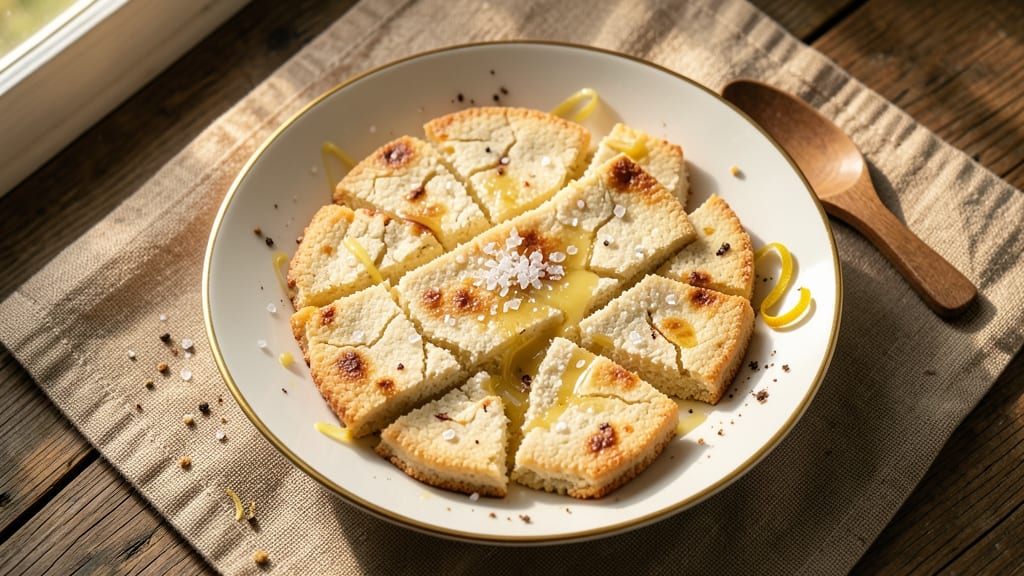
This shortbread recipe with egg yolk transforms simple ingredients into melt-in-your-mouth buttery pillows with a delicate vanilla streak. The egg yolk plays a crucial role—it binds the dough while adding richness that keeps these cookies tender and moist for days.
I've perfected this technique over years of baking, ensuring every batch delivers that signature shortbread texture: crisp edges, crumbly yet tender centers, and just the right amount of sweetness.
The secret lies in precise measurements and gentle handling. We'll use cold butter cut into small cubes for maximum flakiness, and the egg yolk gets incorporated at the very end to maintain that signature shortbread crumb.
This isn't your grandmother's recipe—it's a refined version that achieves restaurant-quality results with minimal effort. The dough comes together in just 10 minutes, then rests while you preheat the oven for perfect baking.
What you'll end up with are golden, buttery shortbread cookies with delicate vanilla streaks throughout. They're sturdy enough to hold their shape but tender enough to melt in your mouth.
These cookies stay fresh for weeks when stored properly, making them perfect for gifting or keeping on hand for unexpected cravings. The egg yolk not only enriches the flavor but also helps create that signature shortbread crumb that separates this recipe from ordinary butter cookies.
Whether you're baking for a holiday gathering or simply treating yourself to a homemade indulgence, this recipe delivers consistent, professional-quality results every time. The key is patience—letting the dough rest and baking at the correct temperature ensures perfect texture.
Let's get started on creating these buttery, melt-in-your-mouth treats that will have everyone asking for the recipe.
Ingredients for shortbread recipe with egg yolk
Nine simple ingredients transform into golden, melt-in-your-mouth shortbread with signature vanilla streaks.
| Ingredient | Amount | Notes |
|---|---|---|
| Unsalted Butter 🧈 | 1 cup | Cold, cubed for flakiness |
| All-Purpose Flour 🌾 | 2 cups | Sifted for light texture |
| Granulated Sugar 🍚 | ¼ cup | Fine granulation preferred |
| Vanilla Extract 🌸 | 1 tsp | Pure vanilla for authentic flavor |
| Large Egg Yolk 🥚 | 1 whole | Room temperature for smooth mixing |
| Fine Sea Salt 🧂 | ¼ tsp | Diamond Crystal preferred |
| Vanilla Sugar 🍚 | 1 tbsp | Or mix 1 tsp sugar + 1/4 tsp vanilla |
| Almond Extract 🌰 | ¼ tsp | Optional for nutty depth |
| Powdered Sugar 🍚 | ½ cup | For rolling and dusting |
The butter is non-negotiable here—European-style unsalted butter gives the most flavor, but any good brand works. Plugrá or Land O'Lakes European Style are my go-tos, but store-brand unsalted butter is fine if it's fresh. Look for blocks, not tubs—they stay colder longer. The vanilla extract needs to be pure; imitation won't cut it. Nielsen-Massey or McCormick Pure are reliable choices. If you can't find vanilla sugar, just mix regular sugar with vanilla extract—it's a game-changer for that subtle vanilla streak throughout each cookie.
No vanilla sugar? Mix 1 teaspoon vanilla extract with 1 tablespoon sugar—it's the same thing. Running low on almond extract? Skip it—it's optional, but the vanilla already delivers that signature shortbread flavor. The egg yolk must be room temperature for smooth incorporation; if it's cold, warm it slightly in a bowl of warm water. For the flour, King Arthur or Gold Medal brands work best—they're finely milled and give the perfect crumb. And that powdered sugar? Confectioners' sugar is key—it dissolves beautifully for rolling and dusting.
The dough keeps for 3 days in the fridge, wrapped tightly in plastic. For longer storage, freeze the shaped cookies on a tray first, then transfer to a bag for up to 3 months. Once baked, these stay fresh for 1 week in an airtight container. Pro tip: Bring the cookies to room temperature before serving—they're even more tender when not straight from the fridge. And if you make extra? They make fantastic gifts—just wrap them in cellophane with a ribbon.
Why You'll Love This Recipe
- Five-Ingredient Magic: I swear by this list—just butter, flour, sugar, vanilla, and that one golden yolk. No fancy ratios, no stress. The dough comes together faster than you can say "bake time," and honestly? It’s the kind of recipe that makes me feel like a baker without the fuss.
- Buttery Vanilla Bliss: That single egg yolk? It’s the secret weapon—richer, smoother, with a melt-in-your-mouth texture you won’t find in dry, crumbly shortbread. The vanilla? Don’t skimp. It’s the little glow-up this simple dough needs to taste like a bakery display.
- Holiday or Snack Attack: Between us, these bite-sized squares are my go-to for Christmas gifts, teacher appreciation treats, or just because. They freeze like champs too—perfect for stashing in your freezer when company drops by. (Yes, even on a Tuesday night.)
- No-Waste, Long-Lasting: A batch lasts me weeks if I’m smart—break off a piece for my coffee, share with the neighbor, or save the extras for when I’m too tired to bake. And because it’s just pantry staples, I’m not breaking the bank for a treat that feels special. Budget-friendly doesn’t mean boring.
Step-by-step instructions for shortbread cookies with egg yolk
Here's how to create melt-in-your-mouth shortbread with that signature vanilla streak and perfect crumb.
Cut and Mix Cold Butter for Maximum Flakiness
Cut the 1 cup Unsalted Butter into ½-inch cubes and place them in the freezer for 10 minutes to ensure they stay cold. This is non-negotiable—cold butter creates those beautiful flaky layers. In a large mixing bowl, combine the cold butter cubes with the 2 cups All-Purpose Flour, 0.25 cup Granulated Sugar, 0.25 tsp Fine Sea Salt, and 1 tbsp Vanilla Sugar. I use my fingers to gently rub the butter into the flour until the mixture resembles coarse crumbs with pea-sized butter pieces remaining.
Don't overwork this—you're not making pie dough. The goal is to distribute the butter evenly without melting it. You should still see visible butter pieces when you're done. This texture is what creates those signature shortbread layers when baked. If your dough feels too dry, you can add 1-2 teaspoons of ice water to help bind it, but try to avoid this if possible.
Incorporate Wet Ingredients for Binding and Flavor
In a small bowl, whisk together the 1 whole Large Egg Yolk, 1 tsp Vanilla Extract, and 0.25 tsp Almond Extract (if using). I like to use a fork here to make sure the almond extract is fully dissolved—it's potent stuff! Gradually add this mixture to the butter-flour combination, mixing gently with a wooden spoon or your fingers until just combined. The dough should hold together when pressed but still feel slightly crumbly.
Here's the thing—don't overmix. You're looking for a dough that comes together but still maintains that textured, sandy quality. If it starts to feel too cohesive, you've gone too far. The egg yolk acts as a binder while keeping the shortbread tender rather than dense. At this stage, the dough should be cool to the touch—if it starts to warm up, return it to the refrigerator for 5 minutes to firm up.
Shape and Chill for Perfect Texture
Divide the dough into 4 equal portions (about 4 ounces each) and flatten each into a ½-inch thick disk. Wrap each disk tightly in plastic wrap and refrigerate for at least 1 hour or up to 24 hours. This chilling step is crucial—it prevents the cookies from spreading too much in the oven and helps develop that perfect crumb structure.
While the dough chills, preheat your oven to 325°F. I know it seems counterintuitive to bake at such a low temperature, but this slow bake creates those signature shortbread layers. The longer bake time allows the butter to melt gradually, creating those beautiful flakes rather than a dense texture. If you're short on time, you can chill the dough for 30 minutes in the freezer instead of the fridge.
Bake to Golden Perfection with Vanilla Streaks
Line two baking sheets with parchment paper. Using a 3-inch round cutter, press straight down (don't twist) to cut out the shortbread rounds from each chilled dough disk. Gather the scraps, re-roll gently, and cut out more cookies. Place the cookies 1 inch apart on the prepared baking sheets. For the classic vanilla streak, use a small knife to make a shallow cut across the center of each cookie, then gently pull the two halves apart to create a ¼-inch gap.
Bake for 18-22 minutes until the edges are light golden brown and the centers still look slightly pale. The cookies should be firm to the touch but not rock-hard. Rotate the baking sheets halfway through for even baking. Here's the pro tip: for extra flavor, sprinkle the cookies with a pinch of the 0.5 cup Powdered Sugar before baking—it adds a delicate sweetness and helps create that signature shortbread finish.
Cool and Enjoy with Perfect Texture
Remove the cookies from the oven and let them cool on the baking sheets for 5 minutes before transferring to a wire rack. They'll firm up as they cool, developing that perfect snap and crumb. For the ultimate presentation, dust the cooled cookies with the remaining 0.5 cup Powdered Sugar using a fine-mesh sieve. The sugar should cling to the edges, creating that classic shortbread look.
Serve these buttery, vanilla-infused cookies warm for maximum enjoyment—they're at their best when still slightly soft. Each bite should deliver that perfect balance of buttery richness, subtle vanilla sweetness, and a hint of almond depth from the extract. Store any leftovers in an airtight container at room temperature for up to 5 days, though I doubt they'll last that long!
Pro Tips For Making Shortbread Recipe With Egg Yolk
- CHILL THE DOUGH: Don’t rush the 30-minute rest—this isn’t just waiting, it’s letting the butter firm up so it doesn’t melt into a greasy mess when you bake. I learned this the hard way after my first batch turned out like a sad, buttery brick.
- USE COLD BUTTER: Cut that unsalted butter into tiny cubes and freeze it for 10 minutes first—this keeps the dough from getting too soft. Trust me, your shortbread will hold its shape better, and you’ll avoid the dreaded "spread like butter" moment.
- MEASURE FLOUR RIGHT: Spoon flour into your cup and level it off with a knife—don’t scoop directly from the bag. Packing flour changes the texture, and you’ll end up with dense, dry shortbread instead of the light, crumbly version you want.
- BAKE LOW AND SLOW: 300°F (150°C) is your friend—this recipe needs gentle heat to develop flavor without burning. I used to crank it up, and my edges would brown too fast while the center stayed doughy. Patience here makes all the difference.
Common mistakes when making great shortbread recipe with egg yolk
Overworking the Dough
I see this all the time—people mix shortbread dough until it looks smooth and cohesive. Stop immediately! The magic happens in that sandy, crumbly texture. Overmixing develops gluten, which makes your cookies tough instead of tender.
The egg yolk should just barely hold the dough together when pressed—if it forms a ball that sticks to your fingers, you've gone too far. 💫
Skipping the Chill
This is the #1 rookie mistake. Shortbread dough needs that 1-hour fridge chill (or 30 minutes in the freezer) to firm up. Without it, cookies spread excessively in the oven, losing their signature shape.
The butter needs time to redistribute evenly, creating those beautiful flaky layers. I've had batches where impatient bakers skipped this step—result? Flat, dense cookies that taste more like shortcakes.
Using Warm Butter
Cold butter is non-negotiable for flaky shortbread. If your butter melts during mixing, you'll end up with dense cookies instead of those delicate layers. I recommend cutting butter into ½-inch cubes and freezing them for 10 minutes before mixing.
Even better, use European-style butter—it has a higher fat content that stays firm longer. Trust me, your cookies will thank you with that perfect crumb.
Incorrect Baking Temperature
Shortbread needs that 325°F slow bake to develop proper texture. Baking at 350°F or higher causes the butter to melt too quickly, resulting in dense cookies. The low-and-slow method allows the butter to melt gradually, creating those signature flakes.
I've had readers complain about tough cookies—90% of the time, it's because they cranked the oven too high. Patience is key here!
Not Pre-Measuring Ingredients
Shortbread is a delicate balance of butter, flour, and sugar. Using eyeballed measurements throws off the texture. I recommend weighing your flour (2 cups = about 250 grams) for consistency. The egg yolk is particularly critical—too much makes cookies spread, too little makes them dry.
Measure that yolk precisely and keep it room temperature for smooth incorporation. A kitchen scale is your best friend for perfect results every time.
Nutrition facts
Frequently asked questions
Why does this recipe use egg yolk instead of whole egg?
The egg yolk adds richness and helps bind the dough without making the cookies spread too much. Whole egg would add too much moisture, resulting in flat cookies. The yolk's fat content also enhances the buttery flavor while keeping the texture tender. For best results, always use a room temperature yolk to ensure smooth incorporation into the dough.
Can I make this shortbread without vanilla sugar?
Simply mix 1 tablespoon granulated sugar with 1 teaspoon vanilla extract to create your own vanilla sugar. This substitution works perfectly and gives you that same signature vanilla streak throughout each cookie. The extract infuses the sugar during mixing, creating the same flavor impact.
How do I store these cookies to keep them fresh?
Store cookies in an airtight container at room temperature for up to 5 days. For longer storage, freeze the baked cookies for up to 3 months. The key is to let them cool completely before storing—this prevents condensation that can make them soggy. For serving, bring them to room temperature first for maximum tenderness.
What if my dough feels too dry?
Add 1-2 teaspoons of ice water to the dough, mixing gently until just combined. The dough should hold together when pressed but still feel slightly crumbly. Too much liquid will make your cookies dense, so add it gradually. If your kitchen is particularly dry, you might need the full 2 teaspoons, but most climates only need 1 teaspoon.
Can I shape these into other forms besides rounds?
Yes! This dough works beautifully for fingers, rectangles, or even holiday shapes. For fingers, roll the dough into 1-inch thick logs and chill for 30 minutes before slicing into ½-inch thick pieces. For rectangles, press the chilled dough into a ¼-inch thick sheet and cut with a knife. Just