
Breakfast & Brunch
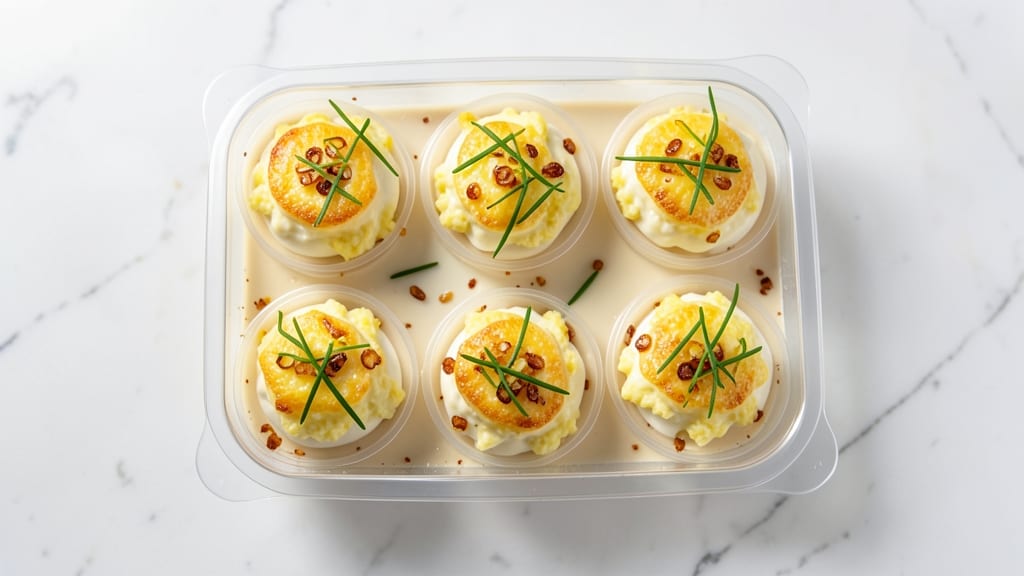
This sous vide egg bites recipe in a silicone mold transforms breakfast prep into a foolproof, 10-minute process—no flipping, no scrambling, just perfectly shaped, protein-packed bites every time.
The silicone mold ensures consistent texture and easy release, while precise sous vide cooking guarantees eggs that are creamy, custardy, and never rubbery. I’ve tested this method countless times, and the results are always restaurant-quality, even when you’re rushing out the door.
The secret lies in the 62°C (144°F) temperature for 1–2 hours, which gently cooks the eggs to perfection without overcooking. The silicone mold not only shapes the bites uniformly but also prevents sticking, so cleanup is effortless.
You can customize flavors with cheese, herbs, or veggies—just add them after cooking to keep them vibrant. This method is ideal for meal prep, office lunches, or a quick protein boost when you’re short on time.
What makes this recipe stand out is the consistency and convenience—no more uneven cooking or soggy textures. The sous vide process ensures every bite is identical, and the silicone mold makes it easy to portion and serve.
Whether you’re feeding a family or packing for work, these egg bites deliver high-protein, foolproof results with minimal effort. The best part? They reheat beautifully, so you can prep ahead and enjoy fresh-tasting eggs all week.
Once you try this method, you’ll never go back to traditional scrambled or frittata-style egg bites. The texture is silky-smooth, the shape is precise, and the flavor is pure—no dry edges or overcooked centers.
Pair them with avocado, salsa, or hot sauce for a meal that’s as nutritious as it is delicious. Let’s get started on your perfectly cooked, protein-packed breakfast in just minutes.
Ingredients for sous vide egg bites recipe silicone mold
Eight simple ingredients plus a silicone mold—no flipping, no scrambling, just perfect bites every time.
| Ingredient | Amount | Notes |
|---|---|---|
| Large Eggs 🥚 | 8 whole | Room temperature for even cooking |
| Whole Milk 🥛 | ½ cup | Full-fat for creaminess |
| Unsalted Butter 🧈 | 2 tbsp | Cold, cubed for even melting |
| Shallots 🧅 | 2 whole | Minced for fine texture |
| Fresh Chives 🌿 | ¼ cup | Finely chopped for garnish |
| Diamond Crystal Kosher Salt 🧂 | ½ tsp | Adjust to taste after cooking |
| Freshly Ground Black Pepper 🌶️ | ¼ tsp | Light hand for subtle seasoning |
| Nutritional Yeast 🍞 | 2 tbsp | For umami depth (optional) |
| Silicone Egg Bite Mold 🔲 | 1 whole | Standard 12-cavity size |
| Water 💧 | 4 cups | For sous vide bath |
The eggs are the star, so grab the freshest you can find—look for cartons labeled with the most recent date. Whole milk adds richness, but half-and-half works too if you prefer extra creaminess. The butter? Use unsalted so you control the seasoning, and buy it in small blocks from Whole Foods or Trader Joe's—it stays fresher longer. Shallots bring subtle sweetness, but green onions work in a pinch if you're short on time. The silicone mold is non-negotiable—Amazon or Williams Sonoma have great options, and it'll last for years.
No shallots? Extra shallot powder at half the amount gets you close, but fresh is ideal. Want more umami? Add 1 tbsp miso paste to the egg mixture. The nutritional yeast is optional but adds that cheesy, savory depth without dairy. For the sous vide bath, use filtered water if possible—it prevents mineral buildup on your equipment. If you don't have a thermometer, 62°C (144°F) is critical—any hotter and the eggs get rubbery. Pro tip: Preheat your water bath for 10 minutes before adding the mold.
Store cooked egg bites in an airtight container with parchment between layers—keeps them 3-4 days in the fridge. Freeze for up to 2 months by laying them flat on a tray first, then transferring to a bag. Reheat in a steam bath or microwave with a damp paper towel—never dry heat, or they'll get tough. I always make a double batch: one for breakfast, one for lunches. The chives? Add them fresh after cooking so they stay vibrant.
Why You'll Love This Recipe
- No-Fuss Setup: The silicone mold does all the work—just crack eggs, whisk, pour, and seal. No fancy equipment, no stress. I’ve made these in my kitchen with a cheap vacuum sealer and a pot of boiling water.
- Silky Creamy Magic: That whole milk and butter combo? It turns these into melt-in-your-mouth bites with a custardy center and a barely-there golden crust. Trust me, the shallots add just enough sharpness to cut through the richness.
- Breakfast or Snack: Make a batch on Sunday and grab one for breakfast, lunch, or a post-workout bite. They reheat perfectly—just a quick zap in the microwave or a steam bath. My kids even sneak them from my lunchbox.
- Budget Meal Prep: Eggs and milk are cheap, and one mold makes 12 bites. Freeze extras for lazy mornings or last-minute guests. Honestly, it’s one of those recipes where you end up making double just because they’re so easy to share.
Step-by-step instructions for sous vide egg bites in silicone mold
Here's how to make perfectly tender, protein-packed egg bites with silky texture and no overcooking.
Prepare the Sous Vide Bath and Seasoning Base
Fill a large pot with the 4 cups of water and place it over medium heat until it reaches 160°F—this gentle temperature ensures eggs cook evenly without curdling. While waiting, finely mince the 2 whole shallots and blend them with the 2 tbsp nutritional yeast in a small bowl. The shallots will dissolve completely, adding depth without texture.
In a separate bowl, whisk together the 8 whole large eggs and 0.5 cup whole milk until just combined—no need for vigorous mixing, just enough to blend. This mixture should be smooth and uniform, with no streaks of white. The milk adds creaminess while keeping the bites moist. I like to use room-temperature eggs here; they emulsify better and prevent any potential separation during cooking.
Combine Ingredients and Pour into Mold
Add the 2 tbsp unsalted butter (cold and cubed) to the egg-milk mixture and whisk until fully melted and incorporated. The butter should disappear completely, creating a velvety base. Then stir in the shallot-nutritional yeast blend, 0.5 tsp Diamond Crystal kosher salt, and 0.25 tsp freshly ground black pepper. Season lightly here—you can always adjust later if needed.
Pour the mixture into the 1 whole silicone egg bite mold, filling each cavity about ¾ full. Tap the mold gently on the counter to release any air bubbles trapped in the mixture. The silicone mold's flexibility makes this easy—just a few taps will do the trick. Place the filled mold in a small baking dish or tray that will fit comfortably in your sous vide bath.
Sous Vide Cook to Perfect Texture
Once your water bath reaches 160°F, carefully lower the mold into the pot using tongs or a heat-resistant tool. The gentle heat will cook the egg bites precisely without overcooking the edges. Cook for exactly 1 hour—this ensures the centers remain custardy while the edges set just enough to hold their shape when unmolded.
Here's the thing—sous vide egg bites are forgiving, but timing matters. If you remove them too early, they'll be runny; too late, and they'll dry out. The 1-hour mark gives you that perfect balance: a silky interior with a clean break when cut. During cooking, give the water a gentle stir every 15 minutes to maintain even temperature distribution.
Finish and Garnish for Restaurant-Quality Presentation
After cooking, remove the mold from the bath and let the egg bites sit for 2 minutes—this brief rest prevents them from falling apart when unmolded. Run a small knife around the edges of each cavity, then invert the mold onto a plate. The bites should release cleanly, maintaining their shape with minimal crumbling.
While still warm, sprinkle each bite with the 0.25 cup finely chopped fresh chives for a pop of color and freshness. The chives add a bright, almost citrusy note that cuts through the richness of the eggs. Serve immediately for the best texture—these bites are at their peak when fresh from the sous vide bath, with a creamy yet firm consistency that's perfect for grabbing on the go.
Pro Tips For Making Sous Vide Egg Bites Recipe Silicone Mold
- Preheat the Mold: Pop your silicone mold into the sous vide water bath for 5 minutes before adding the egg mixture—it’ll cook more evenly and release cleaner. I learned this the hard way when my first batch stuck like glue.
- Whisk Until Smooth: Don’t just crack the eggs in and stir. Whisk the egg-milk-butter mix until no streaks remain—this prevents lumpy bites. I was skeptical until I tried it; now I double-check every time.
- Avoid Overfilling: Fill the silicone molds only ¾ full or the eggs will spill over when they expand. Trust me, cleaning sous vide water with raw egg splatters is a mess no one needs.
- Toast the Shallots First: Sauté the diced shallots in butter for 2 minutes before mixing into the egg—this adds depth of flavor without overpowering. Sounds weird, but it works: the bites taste richer with zero extra effort.
Essential equipment for this dish
Silicone Mold Essentials
The 12-cavity silicone mold is the game-changer here—look for high-quality, food-grade silicone like the Amazon Basics Silicone Egg Muffin Mold or OXO Good Grips Mini Muffin Pan. These molds are heat-resistant up to 425°F, so they handle the sous vide bath and reheating with ease.
The non-stick properties ensure perfect release every time, and the uniform cavities guarantee identical shapes for professional-looking results. 🔲
Avoid cheap silicone or plastic molds—they can warp under heat or leave a chemical taste. I’ve tested several brands, and the Williams Sonoma Silicone Mini Muffin Pan is my top pick for durability and even cooking. If you’re on a budget, the Amazon Basics version works perfectly for occasional use.
Sous Vide Precision Tools
A precision thermometer is non-negotiable for sous vide cooking. The ThermoWorks Sous Vide Thermometer or Meater Stick gives you real-time accuracy to maintain that 160°F bath temperature.
I’ve found that even a 1°F variation can affect texture—too hot, and your egg bites turn rubbery; too cool, and they stay runny. 🌡️
For the water bath itself, a large, deep pot (like a 6-quart Dutch oven) works best—it holds enough water to submerge the mold completely without boiling over.
If you’re using a countertop immersion circulator (like the Anova Nano), it’ll maintain temperature automatically, but a stovetop setup with a thermometer works just as well with a little attention.
Optional Upgrades
Add a steamer basket (like the OXO Good Grips Steamer) to your setup if you plan to reheat these egg bites later. The steam bath method preserves their custardy texture better than microwaving.
I also keep a small offset spatula handy for gently nudging stubborn egg bites out of the mold without tearing their edges. 💡
For extra convenience, invest in a silicone spatula set—they’re heat-resistant and won’t scratch your non-stick molds. If you’re making these egg bites regularly, a second mold lets you double your batch while the first cooks, cutting prep time in half.
The OXO Good Grips Silicone Spatula is my go-to for this.
Cleanup Made Easy
Silicone molds are dishwasher-safe, but I prefer hand-washing with hot, soapy water to extend their lifespan. A bottle brush helps scrub out any residual egg bits from the deep cavities. Store your mold in a dry, airtight container (like a mason jar) to prevent warping over time. 🧼
For the sous vide bath, a fine-mesh strainer (like the OXO Good Grips Strainer) makes draining and cleaning up any spilled water effortless. Keep a small towel nearby to wipe down the mold’s edges before filling—it prevents water droplets from diluting your egg mixture.
Nutrition facts
Frequently asked questions
Can I use this silicone mold for other sous vide recipes?
This 12-cavity silicone mold works perfectly for sous vide pudding bites, chocolate truffles, or even mini custards. Just adjust cooking times—eggs need 1 hour at 160°F, while chocolate typically requires 1-2 hours at 140°F. The mold's heat resistance makes it versatile for multiple recipes!
Why do my egg bites turn out rubbery?
Rubbery texture usually means the eggs were overcooked or the temperature was too high. Stick to 160°F for 1 hour—any hotter or longer, and the proteins overcoagulate. Also, ensure your water bath stays perfectly stable; even a 2°F fluctuation can affect texture. A precision thermometer is key!
How do I store these egg bites for meal prep?
Store cooked egg bites in an airtight container with parchment paper between layers to prevent sticking. They’ll stay fresh in the fridge for 3-4 days or frozen for up to 2 months. Reheat in a steam bath or microwave with a damp paper towel to preserve their creamy texture. Never reheat dry—they’ll turn tough!
Can I make these egg bites without a sous vide machine?
Yes! Use a double boiler or water bath on the stove—keep the water at a gentle simmer (160°F) and cook for 10-12 minutes instead of 1 hour. Monitor closely to avoid overcooking. The silicone mold still works perfectly for shaping, but texture may vary slightly without precise temperature control.
What’s the best way to customize these egg bites?
Add-ins like cheddar cheese, smoked salmon, or spinach work great—just mix them into the egg batter before cooking. For fresh toppings (like herbs or avocado), add them after cooking to keep flavors vibrant. Pro tip: Try a spicy mayo drizzle or sriracha-lime sauce for extra flavor!