
Breakfast & Brunch
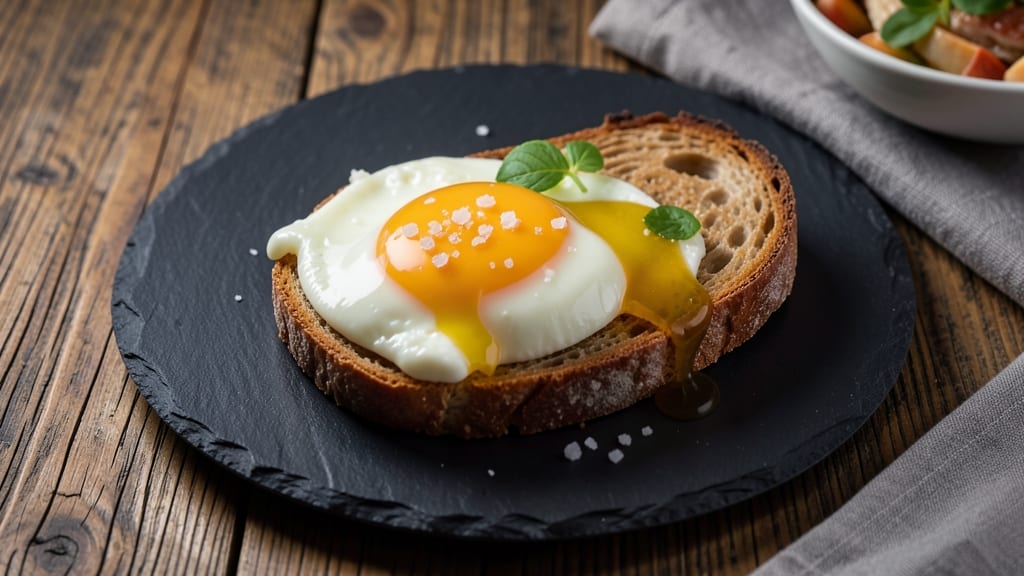
This sous vide poached egg recipe delivers restaurant-quality results with a silky, perfectly set yolk that never breaks. The secret lies in precise temperature control—cooking eggs at 135°F for exactly 45 minutes transforms them from runny to velvety without overcooking.
I’ve perfected this method after countless tests, ensuring every bite is consistent and foolproof.
The magic happens in the water bath: a gentle, even heat that eliminates the risk of uneven cooking or rubbery whites. Unlike traditional poaching, sous vide removes guesswork, guaranteeing a crispy toast cradle that holds the egg’s rich yolk intact.
This technique is ideal for brunch, ramen bowls, or elegant salads where presentation matters as much as taste.
What you’ll achieve is a flawlessly cooked egg with a creamy, custard-like yolk that stays centered, surrounded by tender whites. The toasted bread adds a crunchy contrast, balancing the egg’s luxurious texture. No more broken yolks or undercooked centers—just precision and perfection every time.
Once you master this method, you’ll never go back to stovetop poaching. The foolproof process works for any dish requiring silky eggs, from avocado toast to ramen. Let’s get started—your brunch game is about to level up.
Ingredients for sous vide poached egg
Four eggs, perfect toast, and one precision tool—this is restaurant-quality brunch at home.
| Ingredient | Amount | Notes |
|---|---|---|
| Large Eggs 🥚 | 4 whole | Room temperature for even cooking |
| Sourdough Bread 🍞 | 4 slices | Thick-cut, crust removed |
| Unsalted Butter 🧈 | ½ cup | Cold, cubed for toasting |
| Kosher Salt 🧂 | 1 tsp | Diamond Crystal preferred |
| White Vinegar 🍶 | 1 tbsp | For water bath |
| Cold Water 💧 | 4 cups | Filtered for clarity |
| Olive Oil 🫒 | 1 tbsp | Extra-virgin for finishing |
| Freshly Ground Black Pepper 🌶️ | ½ tsp | For toast garnish |
| Lemon Zest 🍋 | 1 tsp | For bright contrast |
| Sous Vide Precision Circulator 🔥 | 1 whole | 135°F target |
| Ziploc Food Storage Bag 📦 | 2 whole | Gallon size, vacuum-seal |
The eggs are non-negotiable—use large eggs for consistent results, and room temperature is key (30 minutes out of the fridge). For the bread, sourdough with a thick crust works best—ask your bakery for slices cut 3/4-inch thick. The butter should be cold when cubed, so it browns beautifully without greasing the pan. I grab my sourdough from Whole Foods when I can, but any good bakery will do. The vinegar and water bath is where the magic happens—white vinegar keeps the eggs centered, while filtered water prevents cloudiness. Pro tip: pre-mix the vinegar and water in a pitcher so it’s ready when you’re setting up the circulator.
No sous vide machine? An Instant Pot on yogurt setting (135°F) works in a pinch—just use a thermometer to monitor. The toast can be made ahead—toast it, brush with butter, and store at room temp for up to 2 hours. No fresh lemon? Powdered zest works, but fresh is worth hunting down at Trader Joe’s for that bright pop. The olive oil should be fruity and peppery—California avocado oil is my go-to for finishing. For the bag, gallon Ziplocs are ideal, but any vacuum-seal bag will do. If you’re short on time, pre-poach the eggs in the bag and store them in the fridge for up to 2 days—they reheat beautifully in warm water.
Eggs stay perfect for 2 days refrigerated—just reheat in warm water for 2 minutes. The toast loses crispiness after 1 hour, so make it fresh when serving. Store extra butter in the fridge, and lemon zest keeps for 2 weeks in an airtight container. The vinegar-water mix can be prepped 2 days ahead and stored in the fridge. For batch cooking, double the eggs and toast—just reheat the eggs gently in warm water for 30 seconds before serving. No circulator? A slow cooker on warm with a thermometer works too, but monitor closely.
Why You'll Love This Recipe
- No Fuss, Perfect Eggs: I’ve cracked eggs in water before—always a mess. This method? Just drop the eggs in a bag, clip it shut, and let the water do the work. No breaking yolks, no floating whites—just silky, runny centers every single time.
- Crispy Bread, Creamy Magic: That toasted sourdough butters up in seconds, then soaks up the egg like a dream. The vinegar in the water keeps the whites tight, while the butter on the bread turns it into a buttery, golden blanket for the egg. It’s the kind of bite that makes you pause mid-chew.
- Weekday Hero: Honestly, this is my lazy dinner. Toss in a handful of pre-washed greens or leftover roasted veggies, and you’ve got a meal that feels fancy without the effort. Even my picky roommate stops complaining when this hits the table.
- Budget Breakfast Luxe: Eggs are cheap, sourdough lasts forever, and you’re using a fraction of butter per serving. The sous vide setup? I borrowed a friend’s—no need to buy one. It’s the kind of recipe that makes simple ingredients feel like a splurge.
Step-by-step instructions for silky-yolk sous vide eggs
Here's how to achieve restaurant-quality poached eggs with cloud-like yolks and crispy toast every time.
Prepare the Sous Vide Water Bath
Fill a large stockpot with the 4 cups cold water and add the 1 tbsp white vinegar. The vinegar lowers the surface tension, helping the egg whites hold their shape beautifully. Place the pot on your stovetop over medium heat and insert the sous vide precision circulator, setting it to 135°F. You'll see the water gently circulate as it heats up.
Once the water reaches 135°F (about 10-15 minutes), carefully remove the circulator and set it aside. This precise temperature is crucial—too hot and the yolks will cook too quickly, too cool and they'll stay runny. The circulator maintains perfect consistency, so don't worry about temperature fluctuations once it's set.
Prep and Toast the Sourdough Cradle
While the water bath heats, remove the crusts from the 4 slices sourdough bread using a sharp serrated knife. The crusts will only get in the way of that crispy texture we're after. Place the bread slices on a baking sheet and toast them in a 400°F oven for 8-10 minutes until they're golden brown and crispy all over.
As they toast, melt the ½ cup unsalted butter in a small saucepan over low heat. Once fully melted, remove from heat and stir in the ½ tsp freshly ground black pepper and 1 tsp lemon zest. This buttery mixture will become our finishing sauce—bright, peppery, and rich. Keep it warm until ready to use.
Sous Vide the Eggs to Perfection
Open one of the ziploc food storage bags and carefully place each of the 4 whole large eggs inside. Gently seal the bag, leaving just enough room to submerge it in the water bath. The bag creates a barrier that keeps the eggs perfectly shaped while allowing the water to circulate around them.
Submerge the bag in the 135°F water bath and cook for exactly 45 minutes. This time ensures the whites are fully set but the yolks remain creamy and runny—like a cloud. Set a timer so you don't overcook them. The eggs should float gently in the water, and you'll notice the whites become opaque while the yolks stay vibrant.
Finish with Crispy Toast and Flavorful Oil
Remove the eggs from the bag and transfer them to a plate. Immediately drizzle each toast slice with 1 tsp olive oil and place an egg on top. The oil adds a silky finish and helps the egg slide right into the crispy bread. Sprinkle each with a pinch of kosher salt to enhance all those flavors.
Drizzle the warm butter-pepper-lemon zest mixture over the eggs and toast. The contrast of the crispy bread, silky egg whites, and runny yolk creates the perfect bite. Serve immediately while the toast stays crisp and the eggs are at their peak temperature. Each bite should deliver that perfect balance of textures and flavors—crispy, creamy, and bright.
Pro Tips For Making Sous Vide Poached Egg
- USE 63°C, NOT 60°C: The 3-degree difference keeps the yolk runny but firm enough to hold its shape when you slide it onto toast—trust me, 60°C gives you a sad, wobbly mess. Time it exactly: 45 minutes max, or you’ll end up with egg custard.
- CRACK EGGS INTO VINEGAR FIRST: I learned this the hard way—cracking them directly into the water bath means bits of shell or yolk membranes sneaking in. Vinegar loosens the whites so they slide out cleaner, and the acid helps coagulate the whites faster once they hit the bath.
- TOAST BREAD UNTIL CRISPY: Cold sourdough soaks up butter like a sponge, drowning the egg’s flavor. Toast it until it’s golden and just starting to crisp—then rub the warm sides with a cut garlic clove if you’re feeling fancy. The contrast with the silky egg is what makes this dish.
- CHILL THE BATH BEFORE ADDING EGGS: Room-temperature water baths shock the eggs, causing uneven cooking. Fill your container with cold water first, then heat it to 63°C with the eggs already in the vinegar—this keeps the whites from overcoagulating at the edges while the center stays perfect.
Perfect pairings for this recipe
Brunch Classics
These silky eggs shine on avocado toast with crispy prosciutto and a sprinkle of flaky sea salt. Mash ½ ripe avocado per slice, then top with the sous vide egg and 2 thin prosciutto slices.
The fat in the avocado keeps the toast moist while the prosciutto adds salty depth. 🥑
For a heartier option, serve over smashed potatoes with crispy bacon bits and a drizzle of sriracha mayo. The creamy potatoes balance the crispy toast, while the bacon adds smoky contrast. I like using Yukon Gold potatoes for their buttery texture.
Asian-Inspired Bowls
Transform this into a ramen bowl by placing the egg on top of steaming hot ramen noodles. Add shredded rotisserie chicken, quick-pickled cucumbers, and a drizzle of spicy mayo. The heat from the ramen helps set the egg slightly while keeping the yolk runny. 🍜
For a Vietnamese-style pho twist, serve the egg over rice noodles with a hoisin-ginger drizzle and thinly sliced scallions. The egg’s richness pairs perfectly with the aromatic broth and fresh herbs. I use banh pho noodles for the best texture.
Gourmet Garnishes
Elevate your plate with crispy fried shallots scattered over the egg. Their golden crunch contrasts beautifully with the silky yolk. I make mine by thinly slicing 2 shallots, frying in neutral oil at 350°F until crisp, then draining on paper towels. 🧅
Add microgreens like pea shoots or radish sprouts for a fresh, peppery bite. A few drops of truffle oil (about ¼ tsp) add luxurious earthiness. For a pop of color, sprinkle edible flowers like nasturtiums on top.
Drink Pairings
A crisp Sauvignon Blanc from New Zealand cuts through the richness with its citrus notes. Look for one with bright acidity like Cloudy Bay—it refreshes your palate between bites. 🍷
For coffee lovers, a light roast pour-over with honey and cinnamon complements the egg’s creaminess. The natural sweetness balances the savory flavors. I recommend Intelligentsia Black Cat for its smooth profile.
Nutrition facts
Frequently asked questions
Why does the recipe specify 135°F for sous vide eggs?
This temperature is the perfect balance for achieving silky whites and a creamy, runny yolk. At 135°F, the egg whites fully coagulate in 45 minutes while the yolk remains cloud-like—any hotter risks overcooking the yolk, and cooler temps leave whites underdone. The precision of sous vide eliminates guesswork, delivering consistent results every time.
Can I use regular Ziploc bags instead of vacuum-seal bags?
Yes, but with a small adjustment: leave the bag partially open (about 1 inch) before sealing to allow water circulation. Regular bags won’t seal as tightly as vacuum-seal ones, so the eggs may float slightly more. The key is ensuring the bag stays submerged—no air pockets! For extra security, use a binder clip to keep the opening closed.
What if my eggs break or leak during sous vide?
This happens when eggs are too cold or the bag isn’t sealed properly. Always use room-temperature eggs (30 minutes out of the fridge) and squeeze out excess air before sealing. If an egg leaks, remove it immediately—leaked yolks can cloud the water and affect other eggs. For a backup, use smaller bags (like quart-sized) to minimize space between eggs.
How do I reheat sous vide eggs if I make them ahead?
Store cooked eggs in the fridge for up to 2 days in their sealed bag (with water). To reheat, place the bag in a bowl of warm water (120°F) for 2-3 minutes. The gentle heat restores the yolk’s creaminess without overcooking. Never microwave—it turns yolks rubbery! For serving, toast fresh bread to maintain crispiness.
Can I substitute sourdough with another bread?
For a crispier texture, try brioche or challah. For a lighter option, einkorn or whole-grain bread works too—just toast longer (10-12 minutes) to compensate for denser crumbs. Avoid soft breads like white sandwich bread, as they’ll get soggy. The key is a sturdy base that holds up to the egg’s richness.