
Breakfast & Brunch
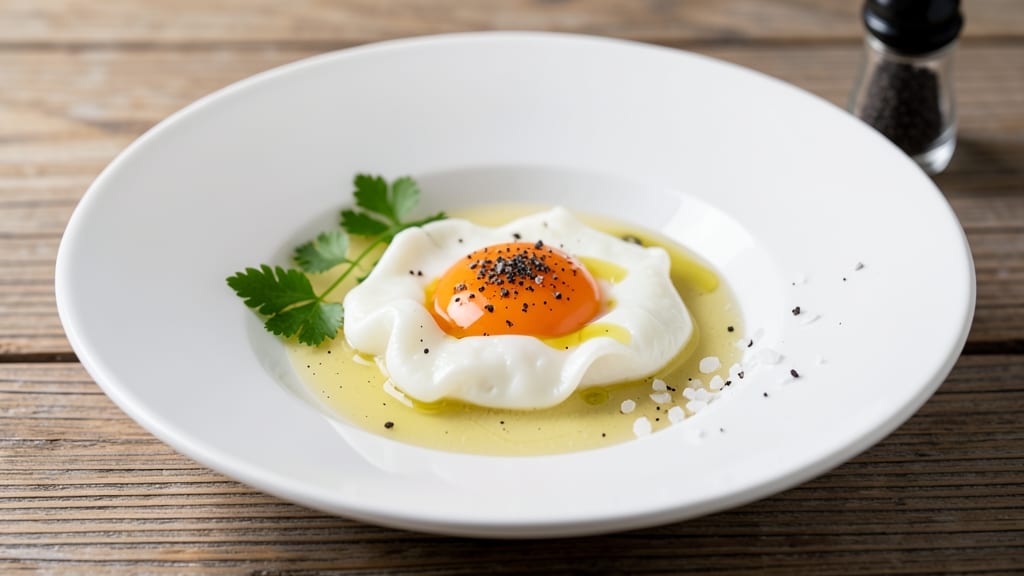
Mastering water poached eggs transforms breakfast from ordinary to extraordinary—silky yolks that hold their shape while staying impossibly tender. This technique relies on precise water temperature and a touch of acidity (vinegar or white wine) to create the perfect vessel for those runny, golden centers.
I've perfected it over years of trial and error, and the results are worth every minute of preparation.
The beauty of this method lies in its simplicity: just eggs, water, and a pinch of salt or acid. You'll need a deep pot, a slotted spoon, and patience—about 3 minutes of gentle simmering creates the ideal environment for perfectly formed eggs.
The clarified water prevents cloudiness, while the acidity helps the whites coagulate evenly, ensuring a clean, elegant presentation every time.
What you'll achieve is a restaurant-quality egg with a perfectly round white and a yolk so tender it nearly melts on your tongue. These eggs elevate everything from avocado toast to salads, adding a touch of sophistication without complicating your morning routine.
The technique is versatile enough for both traditional dishes and modern brunch creations.
Once you've nailed the basics, experiment with adding herbs to the poaching water or serving your eggs with a sprinkle of flaky salt and fresh pepper. The possibilities are endless, and the results will impress even the most discerning breakfast enthusiasts. Let's get started on creating these silky, golden masterpieces.
Ingredients for water poached egg
Four eggs, one pot, and a touch of acid transform breakfast into restaurant-quality perfection.
| Ingredient | Amount | Notes |
|---|---|---|
| Large Eggs 🥚 | 4 whole | Freshly refrigerated for best results |
| White Vinegar 🍷 | 1 tbsp | Or white wine for subtle flavor |
| Diamond Crystal Kosher Salt 🧂 | 1 tsp | Fine grain preferred for clarity |
| Cold Water 💧 | 4 cups | Filtered preferred for purity |
| Extra-Virgin Olive Oil 🫒 | 1 tbsp | For finishing drizzle |
| Freshly Ground Black Pepper 🌶️ | ¼ tsp | Coarsely cracked for texture |
| Flaky Sea Salt 🧂 | ½ tsp | For final presentation |
| Fresh Chives 🌿 | 2 tbsp | Chopped for garnish (optional) |
| Ice Cubes ❄️ | ½ cup | For water temperature control |
| High-Quality Bread 🍞 | 4 slices | Sourdough or brioche preferred |
| Unsalted Butter 🧈 | 2 tbsp | For toasting bread |
| Lemon Wedges 🍋 | 2 whole | For serving |
The eggs need to be the freshest you can find—farmers market eggs have firmer whites that hold shape better. The vinegar is non-negotiable for clarity (white wine works too, but it's pricier). Diamond Crystal kosher salt dissolves better than table salt, giving you that clean, elegant water. For the water, use cold filtered—tap water with high mineral content can make the whites cloudy. I keep a dedicated pot for poaching just to avoid cross-contamination with other dishes.
No vinegar? White wine or lemon juice works in a pinch, though the flavor profile changes slightly. The ice cubes are crucial—they prevent temperature spikes when you add the eggs. If you're serving these on toast, toast the bread first and keep it warm in a 200°F oven while poaching. The butter should be unsalted so you control the seasoning. For extra flair, add a pinch of smoked paprika to the poaching water—it infuses subtle smokiness without overpowering.
Poached eggs keep for 2 days in the fridge if stored in a sealed container with a thin layer of water on top. The bread should be toasted fresh to avoid sogginess. For make-ahead prep, poach the eggs and store in ice water—reheat gently in 160°F water for 20 seconds before serving. These eggs are best enjoyed immediately, but if you must reheat, microwave for 10 seconds covered with a damp paper towel to preserve the yolk's integrity.
Why You'll Love This Recipe
- Two-Ingredient Magic: I swear by this trick—just eggs, vinegar, and water. That’s it. No fancy gadgets, no stressing over heat. The vinegar keeps the whites tight and the yolks bright, like they’re fresh from the farm.
- Silky, Not Slimy: The secret’s in the cold water and olive oil swirl. You get that perfect runny yolk without the whites turning rubbery. Honestly? It’s the only way I’ll eat eggs now—crisp edges, cloud-soft center, every time.
- Breakfast or Brunch: Slip these onto toast for a lazy morning or pile them on avocado toast for a weekend splurge. I’ve even used them in ramen or salads when I’m feeling fancy. The best part? They’re ready faster than coffee.
- Pantry-Proof Perfection: No leftovers? No problem. A single egg costs pennies, and the ingredients last forever. Make a batch ahead—they keep beautifully in the fridge. My college budget (and my taste buds) thank me daily.
Step-by-step instructions for water poached eggs
Here's how to achieve restaurant-worthy poached eggs with perfectly rounded yolks every time.
Prepare the Poaching Water
Fill a deep saucepan with the 4 cups cold water and add the ½ cup ice cubes. This keeps the water temperature stable at 160-170°F—the perfect range for gentle cooking that creates those silky, cloud-like whites. Add the 1 tbsp white vinegar (or white wine) to the water, which helps the egg whites coagulate more evenly.
Bring the water to a gentle simmer over medium-low heat—you should see small bubbles breaking the surface, but not a rolling boil. The vinegar will make the water smell sharp, but don't worry, the flavor won't transfer to the eggs. Keep the pan at this temperature throughout the poaching process. I like to use a thermometer to confirm the water stays between 160-170°F—this is where the magic happens for that perfect set without breaking the yolks.
Toast the Bread and Prepare the Plate
While the water heats, toast the 4 slices high-quality bread in a dry skillet over medium heat until golden brown. Brush each slice with ½ tbsp unsalted butter (1 tbsp total) while still warm. This step is crucial—crispy bread balances the delicate eggs perfectly.
Arrange the toasted bread on a warm plate and set aside. Place a small bowl nearby to hold the poached eggs temporarily while you finish cooking. I like to keep the plate covered with a clean kitchen towel to maintain warmth until serving. This prevents the bread from getting soggy when you add the eggs later.
Poach the Eggs to Perfection
Crack each of the 4 whole large eggs into a small bowl or ramekin. The eggs should be at room temperature for best results—if they're straight from the fridge, let them sit for 10 minutes before poaching. Gently stir the water with a wooden spoon to create a small whirlpool. This helps the egg whites wrap around the yolk as they cook.
Using a small ladle or spoon, carefully lower one egg into the center of the whirlpool. Let it cook for 3 minutes—you'll see the whites begin to set while the yolk remains perfectly runny. Use a slotted spoon to lift the egg out and place it on your prepared bowl. Repeat with the remaining eggs, maintaining the 3-minute cook time for each. The key is consistency—don't let them cook longer or the yolks will firm up.
Finish and Serve
Drain any excess water from the poached eggs by placing them on a paper towel-lined plate for 30 seconds. This removes surface moisture that could make the bread soggy. Season each egg immediately with a pinch of diamond crystal kosher salt and a crack of freshly ground black pepper.
To assemble, place one poached egg on each toasted bread slice. Drizzle with 1 tsp extra-virgin olive oil (¼ tbsp per egg) and garnish with ½ tbsp fresh chives (1 tbsp total). Serve immediately with the 2 whole lemon wedges on the side. The acidity of the lemon brightens the richness of the eggs, creating a perfect balance of flavors.
Optional Garnish for Restaurant Flair
For an extra touch, sprinkle each plate with ⅛ tsp flaky sea salt (½ tsp total) just before serving. The contrast between the coarse salt and the silky egg creates a textural delight. I also like to add a few extra chives or a tiny drizzle of hot sauce for those who enjoy a bit of heat. The presentation should look elegant—think of it as edible art that's as delicious as it is beautiful.
Pro Tips For Making Water Poached Egg
- USE ROOM-TEMP EGG: Cold eggs from the fridge sink like rocks and make a mess. Let them sit in warm water for 5 minutes first—just long enough to loosen the whites so they float properly. (I learned this the hard way after watching my first batch turn into a white-water rafting disaster.)
- SALT THE WATER FIRST: Toss in 1–2 tablespoons of kosher salt before adding vinegar. The salt raises the water’s temperature faster and keeps the whites from sticking to the pot. (Yes, even if the recipe says otherwise—trust me on this.)
- WATCH THE VINEGAR: Too much white vinegar (more than 1 tablespoon) makes the whites turn rubbery. Stick to 1 tablespoon max and use a splash of cold water to dilute it if needed. (I’ve ruined eggs this way—don’t be that person.)
- SKIP THE BOIL: The water should be simmering gently—tiny bubbles breaking the surface, not a rolling boil. A full boil shreds the whites like overcooked pasta. Keep it low and steady. (Your patience will pay off with a perfect yolk.)
Dietary considerations for this recipe
Vegetarian-Friendly Foundation
Water poached eggs are inherently vegetarian, making them a perfect protein source for plant-based diets. The technique relies solely on eggs, water, and acidity—no animal products beyond the eggs themselves. For vegan adaptations, consider using aquafaba (chickpea brine) to create a similar silky texture in vegan "egg" preparations.
The poaching method itself is completely vegan-friendly if you skip the butter on toast and use olive oil instead. 🌱
Gluten-Free Adaptations
This recipe is naturally gluten-free, but the serving suggestions can easily accommodate dietary needs. Swap the traditional bread for gluten-free sourdough or corn tortillas—both toast beautifully and pair perfectly with the eggs.
I recommend Canyon Bakehouse gluten-free bread for its sturdy texture that holds up to the poached yolks. For extra crunch, serve with gluten-free granola or roasted potato wedges on the side.
Low-Cholesterol Options
While eggs contain cholesterol, the poaching method actually helps reduce some of that compared to frying. For a lower-cholesterol version, use egg whites only (poach them in the same manner) and serve with a poached yolk on the side for those who want the rich flavor.
The whites provide protein without the full cholesterol content. I've found that adding mushrooms or avocado to the plate helps balance the meal nutritionally while keeping it satisfying.
Allergen Considerations
This recipe contains eggs as the primary allergen, so it's not suitable for those with egg allergies. For a safe alternative, try silken tofu poached in the same manner—it creates a similar silky texture.
The vinegar and salt work just as well with tofu, though you'll need to adjust cooking times slightly (4-5 minutes instead of 3 minutes). Always check ingredient labels for cross-contamination warnings if allergies are a concern.
Protein-Packed Breakfast
Each poached egg contains about 6 grams of complete protein, making this an excellent breakfast choice for muscle repair and satiety. Pair with nut butters (almond or cashew) for an extra 4-5 grams of protein per tablespoon.
The combination of protein and healthy fats from the olive oil and avocado creates a balanced meal that keeps you full for hours. I like to add hemp seeds (1 tbsp) for an omega-3 boost—just sprinkle them over the finished dish.
Meal Prep Flexibility
While poached eggs are best served fresh, you can prep components ahead of time for convenience. Toast the bread and store it in an airtight container at room temperature for up to 2 days.
Keep the poaching water ready in your fridge so you can quickly reheat it to 160°F and poach eggs as needed. For a make-ahead option, poach the eggs and store them in ice water in the fridge—reheat by placing them in 160°F water for 20 seconds before serving. 💡
Nutrition facts
Frequently asked questions
Why does my poached egg white turn cloudy?
Cloudy whites usually mean your water isn't clean enough or the temperature fluctuated. Always use filtered cold water and maintain a gentle simmer (160-170°F). Add ½ cup ice cubes to stabilize the temperature—this prevents temperature spikes that cause cloudiness. Also, avoid overcrowding the pot when poaching multiple eggs.
Can I poach eggs without vinegar or white wine?
Technically yes, but the whites won't set as neatly. The acidity helps coagulate the proteins evenly. For a substitute, add ½ tsp lemon juice or even a pinch of cream of tartar (½ tsp) to the water. Without any acid, you might get slightly more spread-out whites, but the yolks will still be perfect.
How do I fix overcooked poached eggs?
If the whites are fully set but the yolk is firm, you can't "un-cook" them. For future attempts, reduce cook time to 2 minutes 30 seconds and use a thermometer to monitor water temperature. For serving, try placing overcooked eggs on toasted bread with avocado—the creamy texture balances the firmness.
What's the best way to reheat poached eggs?
Poached eggs reheat best in 160°F water for 20 seconds—this gently warms them without breaking the yolks. For microwave reheating, cover with a damp paper towel and heat for 10 seconds max. Always serve immediately after reheating to maintain that silky texture.
Can I make poached eggs ahead of time?
For best results, poach eggs fresh to order. However, you can prep components ahead: toast the bread and store in an airtight container for 2 days, and keep poaching water ready in the fridge. If you must store poached eggs, place them in ice water in the fridge—reheat in 160°F water for 20 seconds before serving.