
Breakfast & Brunch
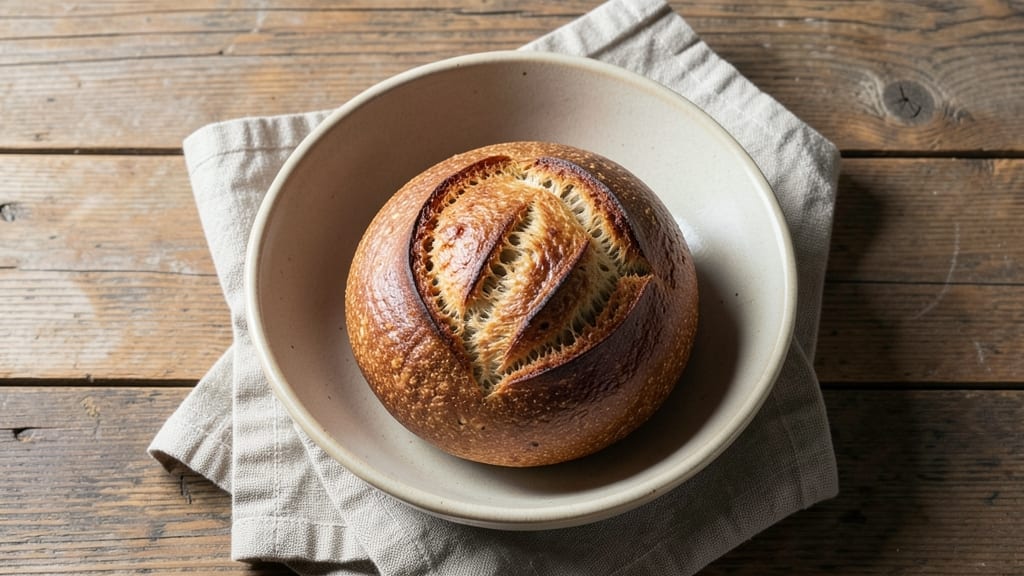
A wheat-free, dairy-free, egg-free bread recipe that delivers a crusty bite and satisfying texture is no longer a compromise—it’s a game-changer for those avoiding allergens or dietary restrictions. This recipe replaces traditional ingredients with nutrient-dense alternatives like almond flour and coconut oil, ensuring a loaf that’s both sturdy and delicious.
The secret lies in precise hydration and a slow bake, which creates that coveted crust without gluten or eggs.
What sets this bread apart is its ability to mimic the structure of conventional loaves while staying light and fluffy inside. No special equipment is needed—just a standard loaf pan and a little patience.
The blend of flours (almond, tapioca, and rice) provides the right balance of moisture retention and structure, while psyllium husk acts as a natural binder to hold everything together.
By the time you pull this loaf from the oven, you’ll have a golden-brown crust with a satisfying crunch, paired with a tender crumb that’s perfect for toast, sandwiches, or simply enjoying on its own.
The aroma alone will convince even skeptics that allergen-free baking can be just as rewarding as traditional recipes.
Best of all, this bread keeps well for up to 5 days at room temperature or can be frozen for longer storage. Whether you’re baking for dietary needs or simply exploring new ingredients, this recipe delivers restaurant-quality results without compromise.
Ingredients for wheat free dairy free egg free bread
Eight carefully chosen ingredients transform into a sturdy, crusty loaf without wheat, dairy, or eggs.
| Ingredient | Amount | Notes |
|---|---|---|
| Almond Flour 🌰 | 2 ½ cups | Finely ground, unsweetened preferred |
| Tapioca Flour 🌾 | 1 ½ cups | Ensures proper binding and texture |
| Rice Flour 🍚 | 1 cup | White or brown, fine grind |
| Psyllium Husk Powder 🌿 | 2 tbsp | Critical for gluten-free structure |
| Baking Powder 🍞 | 1 tsp | Aluminum-free for best results |
| Salt 🧂 | 1 ½ tsp | Fine sea salt preferred |
| Coconut Oil 🥥 | ½ cup | Melted, not solid, for proper hydration |
| Water 💧 | 1 ¼ cups | Room temperature for even mixing |
| Apple Cider Vinegar 🍎 | 1 tbsp | Activates psyllium husk fully |
| Xanthan Gum 🧪 | ¼ tsp | Enhances elasticity and chew |
| Sesame Seeds 🌻 | 2 tbsp | For topping, optional but recommended |
The almond flour is the backbone of this loaf—Bob’s Red Mill or Anthony’s Goods brands provide the finest grind for optimal texture. Psyllium husk powder, often found in the baking aisle or health food sections, is non-negotiable for achieving that conventional bread structure. For coconut oil, Virginians brand is my go-to—it’s refined but still delivers the necessary moisture without overpowering flavor. If you can’t find psyllium husk powder, psyllium husk whole can be ground in a coffee grinder, but measure carefully as it’s denser. The blend of flours ensures proper moisture retention while maintaining a light crumb.
No almond flour? Sunflower seed flour works in a pinch, though texture will differ slightly. Tapioca flour can be substituted with arrowroot powder at the same ratio, though it may yield a marginally denser loaf. For coconut oil, avocado oil is a suitable alternative, though it has a different flavor profile. The apple cider vinegar is essential—substitute with lemon juice if needed, but use the same amount. Xanthan gum is available at most health food stores or online; if unavailable, guar gum can replace it at a 1:1 ratio, though results may vary slightly. Sesame seeds for topping are optional but add a delightful crunch and visual appeal.
This dough requires precise hydration—do not overmix after adding water, as it can develop gluten-like properties. Once shaped, the loaf should rest for 30 minutes before baking to ensure proper structure. Store the cooled loaf in an airtight container at room temperature for up to 5 days or freeze for 3 months. For reheating, wrap slices in foil and warm in a 350°F oven for 5-7 minutes to restore crispiness. The bread freezes exceptionally well—slice before freezing for convenience, and toast directly from frozen.
Why You'll Love This Recipe
- I swear by this combo: just toss almond flour, tapioca, and rice flour in a bowl—no sifting, no measuring cups out yet. The psyllium husk powder does the heavy lifting for structure, so I don’t even preheat the oven until I’m ready. Honestly, my blender gets more use than my mixer for this one.
- No-Fuss Mixing: I swear by this combo: just toss almond flour, tapioca, and rice flour in a bowl—no sifting, no measuring cups out yet. The psyllium husk powder does the heavy lifting for structure, so I don’t even preheat the oven until I’m ready. Honestly, my blender gets more use than my mixer for this one.
- Nutty Crunch Surprise: That almond flour isn’t just filling—it adds a subtle toasty depth that makes this taste like real bread, not a sad substitute. The tapioca gives it that slight chew, while the psyllium keeps it airy. (Yes, even my picky husband stops mid-sentence to take another bite.)
- Sandwich Star: Between us, this is my go-to for lunch wraps, toast, or even garlic bread—just brush with olive oil and sprinkle herbs. It holds up like a champ, whether I’m prepping for the week or throwing together a quick charcuterie board. No soggy edges here.
Step-by-step instructions for gluten-free allergen-safe bread
This method delivers a perfectly structured loaf with a crisp crust and tender crumb—every time.
Whisk Dry Ingredients for Even Distribution
In a large mixing bowl, combine the 2.5 cups almond flour, 1.5 cups tapioca flour, 1 cup rice flour, 2 tbsp psyllium husk powder, 1 tsp baking powder, 1.5 tsp salt, and 0.25 tsp xanthan gum. Use a whisk to break up any lumps in the almond flour and distribute the psyllium husk powder evenly—this creates the gluten-free structure. Sift the mixture through a fine-mesh sieve if you have one to ensure no clumps remain.
I press down gently with my fingers to break up any stubborn lumps, especially in the psyllium husk powder. This step is critical because uneven distribution leads to dense spots in the final loaf. The blend should look homogeneous with no visible specks of psyllium husk.
Incorporate Wet Ingredients for Perfect Hydration
In a separate bowl, melt the 0.5 cup coconut oil until completely liquid—it should be warm but not hot to the touch. Add the 1.25 cups room-temperature water and 1 tbsp apple cider vinegar, then whisk until fully combined. The vinegar activates the psyllium husk, which is essential for binding the gluten-free flours.
Gradually pour the wet mixture into the dry ingredients while whisking continuously on medium speed. The batter will thicken significantly as the psyllium husk absorbs the liquid. I use a stand mixer with a paddle attachment for this step—it's more efficient than hand-whisking and ensures even incorporation. The final batter should be thick but pourable, similar to pancake batter.
Prepare the Loaf Pan for Optimal Texture
Preheat your oven to 350°F and lightly grease an 8x4-inch loaf pan with coconut oil or line it with parchment paper. The pan should be just large enough to hold the batter without overflowing—this ensures proper rise and crust formation. Tap the pan gently on the counter to remove any air bubbles that may have formed during mixing.
Pour the batter into the prepared pan and smooth the top with a spatula. Sprinkle the 2 tbsp sesame seeds evenly over the surface for texture and visual appeal. The seeds should adhere to the batter without sinking in. This step is purely decorative but adds a delightful crunch to each slice.
Bake for Crisp Crust and Perfect Rise
Bake the loaf for 50-55 minutes until the top is deep golden brown and a toothpick inserted in the center comes out clean. The crust should be crisp to the touch, while the interior should feel slightly springy but not dense. I check the loaf at the 45-minute mark—if it's browning too quickly, I tent it loosely with foil to prevent over-browning.
During the final 10 minutes of baking, you'll notice the loaf rise slightly and develop a rich, nutty aroma. This is when the psyllium husk fully activates, creating that signature gluten-free texture. The loaf is done when it reaches an internal temperature of 205°F—this ensures it's fully baked without drying out.
Cool and Slice for Maximum Freshness
Remove the loaf from the oven and let it cool in the pan for 10 minutes before transferring it to a wire rack. This gradual cooling prevents the loaf from collapsing or becoming gummy. I run a thin, sharp knife around the edges of the pan to loosen the loaf before transferring it—this ensures clean slices without tearing.
Allow the loaf to cool completely before slicing—this can take up to 1 hour. The bread will firm up as it cools, making it easier to slice into even portions. Each slice should have a crisp crust and a tender, slightly chewy crumb with a subtle nutty flavor from the almond flour. Store any leftovers in an airtight container for up to 3 days or freeze for longer storage.
Pro Tips For Making Wheat Free Dairy Free Egg Free Bread
- Mix Dry Ingredients First: Mix almond flour, tapioca flour, and rice flour in a bowl before adding psyllium husk powder—this prevents clumping. I learned this the hard way when my first batch turned out gummy because the psyllium absorbed moisture unevenly.
- Weigh Your Psyllium: Use a kitchen scale for psyllium husk powder—1 teaspoon by volume can vary wildly. Too little, and your bread won’t hold together; too much, and it’ll taste bitter. I now measure it by weight every time.
- Don’t Overmix the Batter: Stir just until combined—overworking the wet ingredients makes gluten-free bread dense. After mixing, let it sit for 5 minutes; the psyllium will thicken naturally, saving you from over-kneading.
- Bake at 350°F for 20 Minutes: Start with a lower heat—350°F for the first 20 minutes—then crank to 375°F for the last 10. This prevents a dense center while still getting a crispy crust. I used to rush it, and the middle always came out underdone.
Perfect pairings for this recipe
Crunchy Toppings
Toasted sesame seeds add a satisfying crunch and nutty depth to your loaf—sprinkle 2 tbsp evenly before baking for that perfect texture. For extra flair, try crushed pumpkin seeds or sunflower seeds, both of which bring a delightful contrast to the tender crumb.
I love using everything bagel seasoning for a savory twist that pairs beautifully with spreads like hummus or avocado. 🌻
Spread Pairings
This allergen-free bread shines with almond butter or sunflower seed butter—both complement the nutty undertones of the almond flour. For a savory option, try olive tapenade or smoked salmon with cream cheese alternatives like cashew-based cream cheese.
I adore pairing it with chickpea hummus for a protein-packed, plant-based spread that sticks perfectly to each slice. 🥜
Sweet Complements
Drizzle with almond milk yogurt sweetened with maple syrup and a pinch of cinnamon for a breakfast-friendly treat. Fresh sliced banana or strawberries add natural sweetness without overpowering the bread’s subtle flavor.
For a decadent touch, spread with coconut cream and top with dark chocolate chips—this combo feels indulgent yet stays entirely plant-based. 🍓
Savory Spreads
For lunch or dinner, try avocado mash with lime zest and a sprinkle of sea salt—the creamy texture contrasts beautifully with the bread’s crust. A layer of roasted red pepper spread or garlic aioli (made with vegan mayo) elevates it to sandwich-worthy status.
I often use this bread for open-faced sandwiches with grilled portobello mushrooms and caramelized onions for a hearty, meat-free meal. 🍄
Beverage Pairings
Sip on chai tea or matcha latte (made with oat milk) to complement the bread’s nutty undertones. A crisp green tea or hibiscus iced tea balances the richness, especially when paired with sweet toppings.
For a savory bite, enjoy with sparkling water with lemon or a light white wine like Sauvignon Blanc—its citrus notes cut through the bread’s density beautifully. 🍵
Nutrition facts
Frequently asked questions
Can I substitute almond flour with another nut-free flour?
Yes! For a nut-free version, replace almond flour with sunflower seed flour or oat flour (certified gluten-free). Use a 1:1 ratio, but expect a slightly denser texture. Sunflower seed flour adds a pleasant earthy note, while oat flour keeps the bread lighter.
Why does my bread turn out gummy instead of crusty? Overmixing the batter or insufficient baking time are common culprits.
How do I make this bread rise higher?
Add 1/4 tsp baking soda to the dry ingredients along with the baking powder, and increase the apple cider vinegar to 2 tbsp. The extra acidity helps activate the leavening agents more effectively. Also, let the batter rest for 15 minutes before baking to allow the psyllium husk to fully expand.
Can I make this bread without psyllium husk?
While possible, results will be less sturdy. Replace the 2 tbsp psyllium husk with 1 tbsp ground flaxseed plus 3 tbsp water (mixed into a gel). Add an extra 1/4 tsp xanthan gum to compensate for lost structure. Expect a slightly denser crumb, but it’ll still hold together well.
How should I store leftovers to keep them fresh?
Wrap the cooled loaf tightly in plastic wrap or store in an airtight container. It stays fresh at room temperature for 3-4 days. For longer storage, slice and freeze individual portions—reheat wrapped in foil at 350°F for 5-7 minutes to restore crispness.