
Breakfast & Brunch
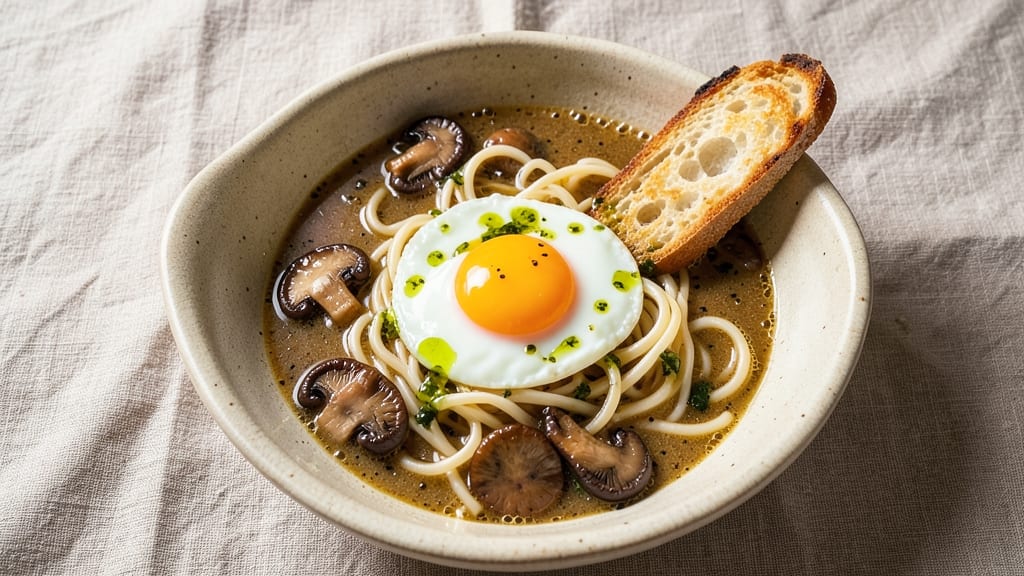
Sous vide ramen eggs transform a simple breakfast into a luxurious, restaurant-worthy experience with their silky yolks and perfectly set whites—all achieved through precise temperature control. This technique ensures every bite delivers that coveted balance between runny and firm, while the crispy bread cradle adds a satisfying textural contrast that elevates the dish beyond ordinary ramen eggs. The secret lies in cooking the eggs at a steady 140–149°F for 1–2 hours, creating a velvety texture that pairs beautifully with rich broth or tangy sauces.
The beauty of sous vide ramen eggs is in their versatility—you can customize the yolk consistency to your preference by adjusting the cooking time, and the method guarantees foolproof results every time.
Whether you're serving them in a traditional ramen bowl or as a standalone dish with crispy bread, the technique eliminates guesswork and delivers professional-quality eggs with minimal effort.
The crispy bread cradle, often made with toasted ramen noodles or a simple baguette, adds a crunchy element that contrasts perfectly with the silky egg.
What makes this recipe truly special is how it combines modern cooking techniques with classic flavors, resulting in a dish that feels both innovative and comforting. The eggs cook evenly, retaining their natural richness, while the bread cradle provides structure and texture.
This method is ideal for brunch gatherings, meal prep, or even a quick yet impressive weekday dinner—proof that sous vide isn’t just for steak.
Once you try this technique, you’ll never go back to boiling eggs the old-fashioned way. The precision of sous vide ensures consistent results, and the crispy bread cradle adds a restaurant-quality touch that makes this dish feel like a true indulgence.
Ready to master the art of silky ramen eggs? Let’s get started.
Ingredients for sous vide ramen egg
Precision ingredients for silky ramen eggs with restaurant-worthy crispy bread cradles.
| Ingredient | Amount | Notes |
|---|---|---|
| Large Eggs 🥚 | 8 whole | Room temperature for even cooking |
| Fresh Ramen Noodles 🍜 | 4 oz | Uncooked, for bread cradle |
| Baguette 🍞 | 1 whole | Crusty, for crispy bread cradle |
| Extra-Virgin Olive Oil 🫒 | ½ cup | For bread cradle toasting |
| Kosher Salt 🧂 | 1 ½ tsp | Fine grain, for seasoning |
| Black Pepper 🌶️ | ½ tsp | Freshly ground, for garnish |
| Sesame Oil 🫒 | 1 tbsp | For finishing (optional) |
| Dried Shiitake Mushrooms 🍄 | 2 whole | Rehydrated for broth infusion |
| Dried Kombu Seaweed 🍃 | 1 piece | For umami depth in broth |
| Garlic Cloves 🧄 | 3 cloves | Minced, for broth infusion |
| Dried Red Chili Flakes 🌶️ | ½ tsp | For subtle heat |
| Vegetable Oil 🫒 | ¼ cup | High smoke point for searing |
| Water 💧 | 4 cups | For ramen broth infusion |
| Dried Miso Paste 🍶 | 1 tbsp | White or red, for umami |
The eggs are the star, so prioritize room-temperature large eggs—they cook more evenly. For the bread cradle, crusty baguettes from a bakery (like Bouchon or your local artisanal shop) yield the best texture. If using ramen noodles for the cradle, opt for fresh ramen—dried noodles work, but fresh have a superior texture. The dried shiitake and kombu are non-negotiable for that authentic ramen broth depth; rehydrate them in hot water before adding to the broth. For sesame oil, Kadoya or La Tourangelle brands deliver the best flavor without overpowering.
No fresh ramen noodles? Dried ramen noodles work in a pinch, but toast them longer for extra crispiness. Running short on shiitake? Dried porcini mushrooms add depth, though they lack the earthy funk of shiitake. The miso paste can be swapped for soy sauce at half the amount, but miso’s complexity elevates the dish. For the bread cradle, if you’re out of baguettes, toasted sourdough or brioche add richness. The garlic in the broth can be omitted if you dislike its intensity, but the umami from kombu and miso will still shine. Always use extra-virgin olive oil for the bread—cheap oils burn too quickly.
Store the rehydrated kombu and shiitake in a sealed container with their soaking liquid for up to 3 days in the fridge. The miso paste keeps indefinitely in the pantry, but once opened, store it in the refrigerator for 6 months. For the bread cradle, toast it fresh before serving—it loses crispness within 15 minutes. The sous vide eggs hold at 140–149°F for up to 4 hours, so plan ahead. If prepping the broth base, it freezes beautifully for 3 months—just thaw and reheat before assembling the eggs.
Why You'll Love This Recipe
- No Fuss Setup: I swear by this—just crack eggs into a bag, seal, and toss in the water bath. The sous vide handles the rest while I sip coffee. No whisking, no straining, no mess.
- Silky Perfect Eggs: That runny yolk? Chef’s kiss. The gentle heat keeps the center liquid while the whites stay firm—no more overcooked sad eggs. Pair it with the chewy ramen noodles, and it’s a match made in flavor heaven.
- Budget-Friendly Feast: Fresh ramen noodles and baguette slices stretch this into a full meal for two (or three if you’re hungry). Honestly, I’ve made this for $8 and felt like I ordered takeout.
- Leftovers? Even Better: The eggs reheat beautifully—just pop them back in warm water for 30 seconds. I’ll be real: I’ve had this for lunch the next day, and it’s still the star of the show.
Step-by-step instructions for sous vide ramen egg recipe
Master the perfect balance of silky yolks and crispy bread cradles with precision cooking techniques.
Prepare the Umami Broth Foundation
Begin by rehydrating the 2 whole dried shiitake mushrooms in 4 cups water for 30 minutes. While they soak, combine the mushrooms, their soaking liquid, 1 piece dried kombu seaweed, 3 minced garlic cloves, and 1 tbsp dried miso paste in a small saucepan. Simmer over medium heat for 10 minutes until the flavors meld and the broth develops a rich, aromatic depth. Strain through a fine-mesh sieve, pressing gently to extract maximum umami from the mushrooms and seaweed.
Season the strained broth with 1.5 tsp kosher salt and 0.5 tsp dried red chili flakes, adjusting to taste. The broth should be vibrant and fragrant—this will infuse the eggs with subtle complexity. Keep the broth warm at 160°F for the sous vide process, as this gentle heat preserves the delicate flavors without overcooking the eggs.
Sous Vide the Eggs for Perfect Texture
Place the 8 whole large eggs in a vacuum-sealed bag or a zip-top bag with the opening pinched to create a partial seal. Submerge the bag in a water bath set to 145°F for 45 minutes. This precise temperature and time ensure the whites set gently while the yolks remain gloriously fluid—no more overcooked rubbery yolks or raw centers. The eggs should be firm but still slightly wobbly when gently shaken in their bag.
For best results, use a sous vide circulator with a temperature probe to maintain accuracy. If you don’t have one, a large pot of water on low heat with a thermometer works, but monitor closely—even a 5°F variation can affect texture. Once done, transfer the eggs to an ice bath for 10 minutes to halt cooking and set the whites completely.
Create the Crispy Bread Cradle
Slice the 1 whole baguette into 4 equal-length pieces, keeping the crusts intact for maximum crispiness. Brush each piece generously with 0.5 cup extra-virgin olive oil, coating all surfaces thoroughly. Place the oiled bread on a baking sheet and toast in a 425°F oven for 8-10 minutes until the edges turn deep golden brown and the interior is lightly toasted but still soft enough to hold shape.
Here’s the trick: Toast the bread until it’s crisp but not burnt. You want it sturdy enough to cradle the egg without collapsing when you place it in later. Remove the bread from the oven and immediately brush the insides of the slices with 1 tbsp sesame oil—this adds an aromatic finish and prevents the bread from drying out as it cools.
Assemble and Finish with Crispy Perfection
Carefully peel the eggs from their bag and gently crack each one into the center of a toasted bread slice. The bread’s crispy exterior and soft interior will create a perfect vessel for the silky egg. Ladle ½ cup of the warm umami broth over each egg, allowing it to pool around the yolk. Sprinkle with 0.5 tsp freshly ground black pepper and a pinch of dried red chili flakes for a subtle kick.
For the final touch, lightly toast the 4 oz fresh ramen noodles in a dry skillet over medium heat for 1-2 minutes until fragrant and slightly crisp. Serve the eggs immediately with the toasted noodles on the side, ensuring the bread cradle stays crisp while the egg remains warm and runny. The contrast of textures—crispy bread, silky egg, and tender noodles—is what makes this dish extraordinary.
Pro Tips For Making Sous Vide Ramen Egg
- USE 63°C FOR 45 MINUTES: The ramen egg’s magic happens at a precise temperature—any lower, and the yolk stays runny; any higher, and it turns into scrambled mess. I learned this after a batch of eggs that looked like they’d been microwaved. Set your sous vide to 63°C (145°F) and don’t waver, even if you’re impatient.
- SALT THE WATER LIKE THE SEA: Fresh ramen noodles soak up flavor like sponges, but they’ll taste bland if the water isn’t seasoned properly. Add 1 tablespoon of kosher salt to the boiling water—yes, even if the noodles are labeled “enriched.” This isn’t just about taste; it’s about making the egg’s richness pop later.
- DON’T OVERCOOK THE BAGUETTE: Toast the baguette until it’s golden and crisp, but stop before it turns into a carbonized brick. I used to burn mine because I thought “more toast = better crunch,” but the truth is, a slightly soft interior holds the egg’s yolk better. Pull it out when the edges are deep brown and the center still resists a knife—about 5-7 minutes in a 200°C (400°F) oven.
- COLD START FOR THE EGGS: Place the eggs in the sous vide bath straight from the fridge—no room temperature waiting. I was skeptical at first (who wants to wait?), but cold eggs cook more evenly and develop that perfect custardy texture without breaking. Pop them in sealed with a tiny bit of water in the bag to prevent vacuum-seal drama.
Perfect pairings for this dish
Broth Pairings
Start with the umami-rich broth you prepared using shiitake mushrooms, kombu, and miso—it’s the soul of this dish. For extra depth, simmer in 1 tbsp soy sauce or 1 tsp fish sauce during the final 5 minutes of cooking.
If you prefer a lighter broth, replace the miso with 1 tbsp white miso and add ½ cup coconut milk for a creamy twist. 💛
Noodle Complements
Toasted fresh ramen noodles are a must—their nutty aroma and slight crispness balance the silky eggs perfectly. For variety, try udon noodles (soak in warm broth for 30 seconds before serving) or rice noodles for a lighter option.
If you’re feeling adventurous, add ½ cup thinly sliced shiitake mushrooms to the noodles while toasting for an earthy contrast.
Protein Additions
Elevate your dish with chashu pork (thinly sliced and pan-seared) or crispy tofu (marinated in 1 tbsp soy sauce + 1 tsp sesame oil, then baked at 400°F for 20 minutes).
For seafood lovers, poached salmon (cooked to 120°F for 10 minutes) adds a delicate, flaky texture. Garnish with thinly sliced scallions for freshness.
Condiment Touches
Drizzle the eggs with chili oil (mix 2 tbsp vegetable oil with 1 tbsp gochujang and ½ tsp red pepper flakes) for heat and richness.
A dollop of spicy mayo (mayo + 1 tsp sriracha) or wasabi cream (whipped cream + ½ tsp wasabi paste) adds a creamy kick. For tang, squeeze lime wedges over the top just before serving.
Garnish Gallery
Finish with crispy fried shallots (tossed in 1 tbsp oil, fried at 350°F for 2-3 minutes) for crunch, or toasted sesame seeds (dry-toast in a pan for 1 minute) for nuttiness.
Microgreens or thinly sliced cucumber add a refreshing crunch. A sprinkle of furikake seasoning (Japanese rice seasoning) ties everything together with its savory-salty profile. ✨
Nutrition facts
Frequently asked questions
Can I use regular eggs instead of large eggs for this recipe?
While large eggs are ideal, you can use medium eggs—but adjust the cooking time slightly. Medium eggs may need 10-15 minutes less in the sous vide bath to achieve the same silky texture. The bread cradle portion will remain the same, so no other changes are needed.
What if I don’t have a sous vide machine? Can I still make these eggs?
Yes! Use the stovetop method: Simmer a pot of water at 145°F (use a thermometer) and gently poach the eggs for 5-6 minutes for a similar texture. For extra precision, place the eggs in a heatproof bag submerged in the water. The ice bath step is still essential to set the whites properly.
How do I prevent the bread cradle from getting soggy?
Toast the bread slices until they’re deep golden brown and crisp, then brush the insides with sesame oil immediately after topping. Serve the eggs right away—soggy bread happens when moisture from the egg sits too long. For extra insurance, toast the bread again for 1 minute before serving.
Can I make the broth ahead of time and reheat it?
The broth freezes beautifully for up to 3 months. Thaw it in the fridge overnight, then gently reheat to 160°F before using. For best flavor, avoid boiling—simmer on low heat to preserve the delicate umami. Reheat only what you need to keep it fresh.
What’s the secret to getting the perfect yolk consistency?
The magic is in the 145°F temperature and 45-minute cook time. For a runnier yolk, reduce time to 30 minutes; for a firmer yolk, extend to 60 minutes. Always use the ice bath to stop cooking immediately—this locks in the texture. Practice makes perfect!