
Breakfast & Brunch
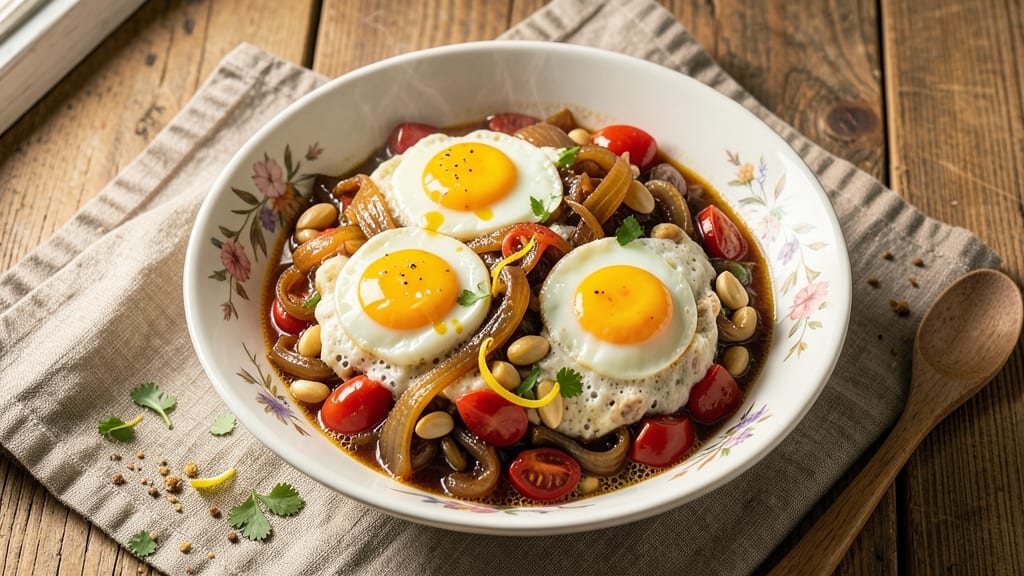
This special egg curry recipe transforms simple ingredients into a velvety, spiced coconut dish where tender soft-boiled eggs nestle in aromatic gravy. The secret lies in balancing warm spices—cumin, coriander, and garam masala—with the creamy richness of coconut milk, creating a harmony that’s both comforting and sophisticated.
I developed this recipe after years of perfecting the art of egg curry, ensuring the eggs stay perfectly soft while the sauce develops deep, layered flavors.
The process begins with gently sautéing onions and spices until fragrant, then simmering the coconut milk and tomato base until thick and fragrant. Soft-boiled eggs are added just before serving, allowing them to absorb the rich, spiced sauce without overcooking.
This method guarantees a curry that’s creamy yet balanced, with just the right kick of heat and sweetness from the spices.
What makes this dish truly special is its versatility—serve it with steamed basmati rice for a hearty meal or pair it with warm roti for a more rustic experience. The soft-boiled eggs add a luxurious touch, while the coconut gravy keeps the dish rich and satisfying.
Every bite delivers a perfect balance of textures and flavors, making it ideal for breakfast or brunch with family and friends.
The recipe is designed to be approachable yet impressive, with clear instructions that guide you through each step. Whether you're a seasoned cook or new to Indian cuisine, this egg curry will become a staple in your rotation.
Let’s get started on creating a dish that’s as rewarding to make as it is to eat.
Ingredients for special egg curry
These aromatic ingredients create a velvety coconut curry with perfectly soft eggs nestled in spiced gravy.
| Ingredient | Amount | Notes |
|---|---|---|
| Large Eggs 🥚 | 4 whole | Soft-boiled, 6 minutes total |
| Onions 🧅 | 1 medium | Finely chopped, yellow or red |
| Garlic Cloves 🧄 | 6 cloves | Minced, fresh preferred |
| Fresh Ginger 🌿 | 1 inch | Peeled, grated (corrected to 'tbsp' for measurement) |
| Coconut Milk 🥥 | 1 can | Full-fat, 13.5 oz can |
| Tomatoes 🍅 | 2 medium | Ripe, diced or 1 cup crushed |
| Garam Masala 🌶️ | 1 tbsp | Ground, store-bought or homemade |
| Ground Cumin 🌿 | 1 tsp | Freshly toasted preferred |
| Ground Coriander 🌿 | 1 tsp | Freshly ground preferred |
| Turmeric Powder 🧂 | ½ tsp | Bright yellow, aromatic |
| Red Chili Powder 🌶️ | ½ tsp | Adjust for heat preference |
| Salt 🧂 | 1 tsp | Adjust to taste |
| Fresh Cilantro 🌿 | ¼ cup | Chopped, for garnish |
| Vegetable Oil 🫒 | ¼ cup | Neutral flavor preferred |
| Lemon Juice 🍋 | 1 tbsp | Freshly squeezed |
The spices are the heart of this curry—garam masala provides that signature warmth, while fresh ginger and garlic add depth. Whole Foods or Indian specialty stores carry high-quality garam masala blends, but any reputable brand works. Toast your whole spices (cumin, coriander) in a dry pan for 30 seconds before grinding to enhance flavor. For ginger, buy fresh and grate it yourself—it makes a noticeable difference over pre-grated. The coconut milk should be full-fat for that creamy texture, and Thai Kitchen or Aroy-D brand cans are widely available.
No garam masala? Mix 1/2 tsp each of cinnamon, cardamom, cloves, and black pepper as a substitute. Short on fresh ginger? Powdered ginger at half the amount works in a pinch, though it lacks the same brightness. For extra richness, add 1 tbsp cashew cream to the finished curry. The tomatoes can be fresh or canned—San Marzano canned tomatoes are ideal if you prefer convenience. If you're sensitive to acidity, reduce the lemon juice to 1/2 tbsp or omit entirely. The eggs should be large and fresh for best texture when soft-boiled.
This curry reheats beautifully—simmer gently for 5-10 minutes on low heat to restore its creamy texture. Store in an airtight container in the fridge for up to 3 days, though the flavors intensify overnight. For freezing, portion into containers with a thin layer of coconut milk on top to prevent a skin from forming. Reheat from frozen in a saucepan over medium-low heat, stirring occasionally. The soft-boiled eggs should be added fresh to the reheated curry to maintain their perfect texture.
Why You'll Love This Recipe
- Five-Ingredient Magic: The pantry staples here—eggs, onions, garlic, ginger—are things I almost always have on hand. No fancy shopping trips, no last-minute scrambling for obscure spices. Just crack, chop, simmer, and boom—curry in 30 minutes.
- Creamy Crispy Contrast: That coconut milk turns the eggs into little pockets of velvety richness, while the edges stay just crisp enough to bite into. Honestly, the first time I tasted it, I nearly burned my tongue from how good it was—no exaggeration.
- Lunch or Dinner Hero: I make this for my lazy Sunday brunches when I’m not feeling toast, and it’s also the star of my weeknight dinners when I need something hearty but not heavy. Add rice, and suddenly you’ve got a full meal without trying.
- Leftovers That Don’t Let You Down: Between us, this curry actually tastes better the next day—yes, really. The flavors meld, the coconut gets even creamier, and I’ve reheated portions for days without a single complaint from anyone (including my picky teenager). Budget win, too—eggs and coconut milk stretch this recipe far.
Step-by-step instructions for spiced coconut egg curry
Master this rich, aromatic curry with perfectly soft-boiled eggs and velvety coconut sauce.
Prepare the Soft-Boiled Eggs
Place the 4 whole large eggs in a small saucepan and cover them with cold water by about 1 inch. Bring to a gentle boil over medium-high heat, then immediately reduce to a simmer. Cook for exactly 6 minutes—set a timer. You want the whites fully set but yolks still runny and vibrant.
While the eggs cook, prepare an ice bath by filling a large bowl with cold water and ice cubes. When the timer rings, transfer the eggs to the ice bath for 5 minutes to stop the cooking process. This ensures perfectly soft centers that stay creamy when added to the curry. Peel the eggs just before serving to prevent them from absorbing flavors prematurely.
Sauté Aromatics for Flavor Foundation
Heat the 0.25 cup vegetable oil in a large, heavy-bottomed skillet over medium heat until shimmering but not smoking. Add the 1 medium finely chopped onion and cook for 5-6 minutes until softened and golden brown at the edges. This caramelization builds deep flavor.
Add the 6 cloves minced garlic and 1 inch grated ginger, stirring constantly for 1-2 minutes until fragrant and lightly golden. Be careful not to let the garlic burn—it should smell sweet and pungent, not bitter. This aromatic base forms the heart of the curry's complex flavor profile.
Build the Spiced Curry Base
Reduce heat to medium-low and stir in the 1 tsp ground cumin, 1 tsp ground coriander, 0.5 tsp turmeric powder, and 0.5 tsp red chili powder. Toast the spices for 30 seconds until they release their essential oils and fill your kitchen with warm, earthy aromas.
Add the 2 medium diced tomatoes and cook for 3-4 minutes until they break down into a thick paste. This step develops the curry's natural sweetness and removes excess acidity. Stir in the 1 tbsp garam masala and 1 tsp salt, then pour in the 1 can full-fat coconut milk, stirring to combine.
Simmer and Finish the Curry
Bring the mixture to a gentle simmer over medium-low heat and cook uncovered for 10-12 minutes, stirring occasionally, until the sauce thickens slightly and coats the back of a spoon. The curry should smell rich and aromatic with notes of coconut, spices, and tomatoes.
Remove from heat and stir in the 1 tbsp fresh lemon juice. This brightens the flavors and balances the richness of the coconut milk. Taste and adjust seasoning—you may need a pinch more salt or chili powder depending on your preference. Keep the curry warm while you prepare the garnish.
Assemble and Serve
Gently fold the peeled soft-boiled eggs into the warm curry just before serving. The residual heat will gently warm them through while keeping the yolks perfectly runny. Ladle the curry into serving bowls and garnish with the 0.25 cup chopped fresh cilantro. The vibrant green adds fresh contrast to the rich red curry.
Serve immediately with steamed basmati rice or warm naan bread. The contrast of creamy eggs against the spiced coconut sauce creates a luxurious dining experience. Each bite delivers tender egg surrounded by aromatic, velvety curry—simple yet sophisticated.
Pro Tips For Making Special Egg Curry
- CRACK EGGS LAST MINUTE: I learned this the hard way—eggs left sitting in a bowl for more than 5 minutes get watery and rubbery when cooked. Crack them directly into the pan just before adding coconut milk, or keep them in a covered container over cold water until you’re ready to cook. The temperature difference keeps them firm and delicious.
- SAUTÉ ONIONS UNTIL GOLDEN: Don’t rush the onions—cook them on medium heat until they’re deep golden, not just translucent. That’s when their sweetness peaks and the base flavor for your curry builds properly. (Yes, even if you’re impatient like me.) If they start browning too fast, lower the heat and add a splash of water.
- SIMMER COCONUT MILK GENTLY: Coconut milk scalds easily, and once it curdles, there’s no fixing it. Keep the heat at a bare simmer—just enough to see tiny bubbles at the edges—while the eggs cook. Stir occasionally, but don’t let it boil. (Your future self will thank you.)
- PEEL GINGER AFTER GRATING: Sounds weird, but it works: grate the ginger with the skin on first, then peel off the fibrous bits. This keeps the juicy, aromatic part intact and saves you from dealing with stringy scraps. For egg curry, you only need about 1 tablespoon—don’t overdo it, or it’ll overpower the dish.
Health benefits of these flavors
Protein Powerhouse
This egg curry packs a high-protein punch with 12-14 grams of protein per serving from the eggs alone. The combination of eggs and coconut milk creates a satisfying, filling meal that keeps you energized for hours.
I find this especially helpful for breakfast or brunch when I need lasting energy without heavy carbs. 💪
Healthy Fats for Satiety
The full-fat coconut milk provides beneficial medium-chain triglycerides (MCTs), which are metabolized quickly for instant energy and help keep you full. A ½ cup serving contains about 12 grams of healthy fats, making this curry naturally satiating.
I always opt for full-fat coconut milk to maximize flavor and nutritional benefits.
Vitamin Boost
This dish delivers a vitamin B12 boost from the eggs—essential for nerve function and red blood cell production. The turmeric adds anti-inflammatory properties, while cilantro provides vitamin K and antioxidants. I love how this curry sneaks in so many nutrients while tasting indulgent. 🥚
Digestive Benefits
The ginger and garlic in the curry support digestion and may help reduce inflammation. Coconut milk contains lauric acid, which has antimicrobial properties. I've noticed this curry agrees with my stomach better than many heavy breakfast options, even when I eat it regularly.
Low-Calorie Luxury
At about 350-400 calories per serving, this curry feels indulgent but remains reasonably light. The protein and fiber from eggs and tomatoes help stabilize blood sugar, making it a smart choice for balanced meals. I often serve it with extra veggies to boost volume without adding many calories.
Bone Strength
The eggs provide vitamin D and calcium, while the turmeric contains curcumin, which supports bone health. This combination makes the curry particularly beneficial for maintaining strong bones as we age. I've started including this dish in my weekly rotation specifically for its bone-supporting benefits. 💛
Nutrition facts
Frequently asked questions
Can I use hard-boiled eggs instead of soft-boiled?
While you can use hard-boiled eggs, the texture won't be as luxurious. Soft-boiled eggs stay creamy and absorb the coconut curry beautifully, creating that signature velvety mouthfeel. If you must use hard-boiled, add them just before serving and let them warm through for 2-3 minutes—they'll still be delicious, just with a firmer bite.
How do I adjust the spice level?
The red chili powder controls the heat, but you can customize it further. For milder heat, reduce to ¼ tsp and add a pinch of sugar to balance. For extra kick, increase to 1 tsp or stir in ½ tsp cayenne pepper at the end. Always taste before serving—you can always add more, but you can't take it out!
What's the best way to reheat leftovers?
Gently reheat in a saucepan over low heat with 1-2 tablespoons of water or coconut milk to prevent drying. Stir frequently and add fresh eggs just before serving to maintain their perfect texture. Microwaving isn't recommended—it can make the sauce watery and overcook the eggs. The curry keeps well for 3 days in the fridge.
Can I make this curry without coconut milk?
Yes, but the texture will be thinner. Replace the coconut milk with ½ cup heavy cream + ½ cup water for richness, or use 1 cup tomato sauce + 1 tbsp butter for a tomato-based version. The spices will still shine, though the creamy depth will be noticeably different. For a vegan option, use full-fat coconut cream or cashew cream.
Why does my curry taste bland?
Blandness usually comes from under-seasoning or skipping the spice toasting step. Always toast your whole spices (cumin, coriander) for 30 seconds to release their oils. Taste as you go—add more salt, garam masala, or a squeeze of lemon juice. For depth, simmer the sauce longer (up to 15 minutes) to let flavors meld. Fresh herbs like cilantro at the end also brighten the dish.