
Salads
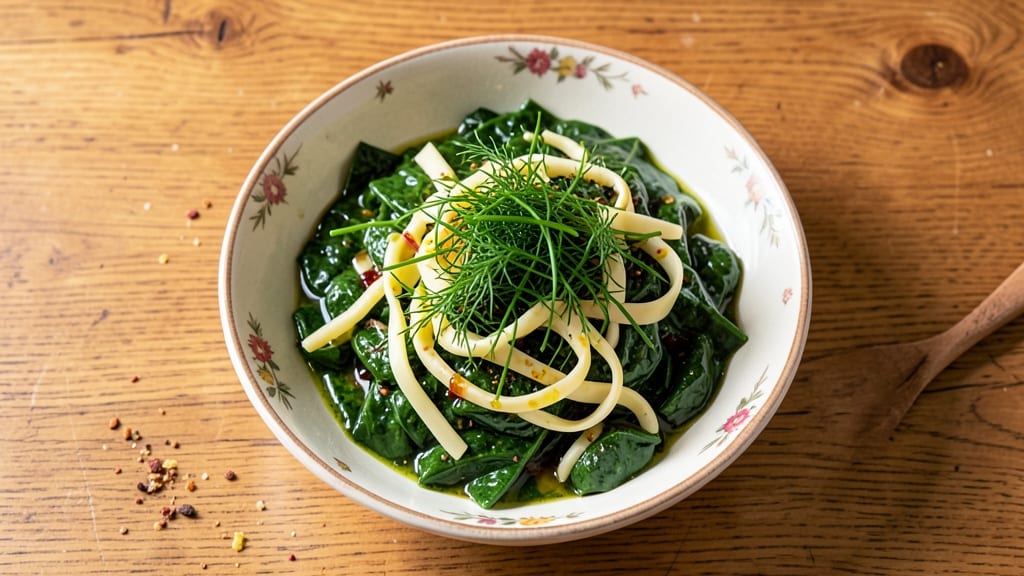
This spinach egg salad dressing transforms a simple salad into a luxurious, creamy masterpiece with just a few ingredients. The secret lies in balancing rich mayo with tangy vinegar and fresh herbs, creating a velvety texture that clings beautifully to greens.
I developed this recipe after years of perfecting the ideal vinaigrette—one that enhances rather than overpowers the delicate flavors of spinach and egg.
The foundation is a classic herb vinaigrette, elevated with a touch of Dijon mustard for depth and a splash of lemon juice for brightness.
What sets this apart is the optional addition of finely chopped spinach and hard-boiled egg, which adds subtle color and a luxurious mouthfeel without altering the dressing's consistency. The result?
A dressing that's creamy yet light, tangy yet rich, and perfect for drizzling over salads, sandwiches, or even as a dip.
This dressing stays fresh in the refrigerator for up to a week, making it ideal for meal prep. The flavors deepen as it sits, becoming even more harmonious with each passing day.
Whether you're elevating a classic spinach salad or adding richness to a sandwich, this dressing delivers restaurant-quality results with minimal effort.
Use it as a base for your favorite salads, or drizzle it over avocado toast for an instant upgrade. The versatility of this dressing ensures it becomes a staple in your kitchen—simple to make, impossible to resist.
Ingredients for spinach egg salad dressing
Nine simple ingredients blend into a velvety dressing that elevates salads to restaurant-quality.
| Ingredient | Amount | Notes |
|---|---|---|
| Extra-Virgin Olive Oil 🫒 | ½ cup | High-quality, fruity variety preferred |
| Red Wine Vinegar 🍷 | ¼ cup | Dry, bold vinegar for tang |
| Fresh Lemon Juice 🍋 | 2 tbsp | Freshly squeezed for brightness |
| Dijon Mustard 🌶️ | 1 tbsp | For depth and texture |
| Fresh Chives 🌿 | ¼ cup | Finely chopped, mild flavor |
| Fresh Dill 🌿 | 0.15 cup | Finely chopped, vibrant taste |
| Baby Spinach 🍃 | ¼ cup | Finely chopped, optional |
| Hard-Boiled Eggs 🥚 | 1 whole | Finely chopped, optional |
| Mayonnaise 🥫 | ¼ cup | High-quality, creamy texture |
| Sea Salt 🧂 | ½ tsp | Fine grain preferred |
| Freshly Ground Black Pepper 🌶️ | ¼ tsp | For subtle seasoning |
The olive oil and vinegar are your foundation—look for extra-virgin olive oil with a fruity aroma and a dry, bold red wine vinegar like Bartles & Jaymes or Bragg for consistency. Fresh herbs are non-negotiable here; Trader Joe's or local farmers markets have the best selection. The Dijon mustard adds depth, so don't skip it—Amoy brand is my go-to for that perfect balance. For the optional spinach and egg, fresh baby spinach is ideal, but any tender leaf works. Hard-boil eggs ahead of time for convenience—they keep for 5 days in the fridge.
No fresh dill? Substitute with 1 tbsp dried dill, but reduce to half the amount. Short on mayo? Greek yogurt or vegan mayo works for a lighter texture. The lemon juice can be swapped for white wine vinegar if you prefer a milder tang. For a richer dressing, add 1 tbsp crème fraîche or vegan sour cream. The dressing thickens as it sits, so if it's too thick after mixing, add 1 tsp water or extra vinegar to adjust. Prefer a smoother texture? Blend the spinach and egg instead of chopping.
This dressing keeps beautifully in the fridge for up to 1 week, with flavors deepening over time. Store it in an airtight jar, and give it a quick stir before using. For longer storage, freeze in ice cube trays—thaw and stir to restore consistency. The optional spinach and egg add visual appeal, but the dressing is still luxurious without them. Use it on salads, sandwiches, or even drizzled over roasted vegetables for an instant upgrade.
Why You'll Love This Recipe
- Five-Ingredient Magic: I swear by this combo—just whisk, no fuss. The olive oil and lemon juice marry instantly, while the Dijon mustard adds that just-right tang without overpowering. Honestly, I’ve made it while microwaving leftovers.
- Bright Tang Alert: That red wine vinegar and lemon juice? It’s the secret weapon here. The acidity cuts through the richness of the eggs (if you add them) or the spinach, leaving your taste buds waking up. I’ll be real: I’ve drizzled it on everything from salads to roasted veggies.
- Salad Game-Changer: Between us, this isn’t just dressing—it’s a flavor upgrade for any green bowl. Toss it with wilted spinach, kale, or even cold pasta. My lazy Sunday brunch? Poached eggs + this dressing + crusty bread. No regrets.
- Fridge Hero: Make a batch on Sunday, and you’ve got a week’s worth of effortless flavor. The chives stay fresh for days, and the oil-vinegar base only gets better as it mellows. I keep a jar in my fridge for those nights when I open the fridge and think, “What even is dinner?”
Step-by-step instructions for spinach egg salad dressing
This vibrant vinaigrette balances creamy richness with bright herbaceousness—perfect for elevating salads, sandwiches, or dips.
Whisk Together the Acidic Base
In a medium bowl, combine the 0.5 cup extra-virgin olive oil, 0.25 cup red wine vinegar, and 2 tablespoons fresh lemon juice. Whisk vigorously for 30 seconds until the mixture begins to emulsify slightly—you'll see tiny droplets of oil disperse into the vinegar. The acidity from the vinegar and lemon will cut through the richness of the oil, creating a stable foundation.
Here's the thing—don't rush this step. The goal is to break down the oil into fine droplets so it blends smoothly with the other ingredients. If you're unsure whether it's emulsified enough, add 1 tablespoon of Dijon mustard now and whisk again. The mustard acts as an emulsifier, helping the dressing hold together later. Taste and adjust seasoning with 0.5 teaspoon sea salt and 0.25 teaspoon freshly ground black pepper—this is your flavor baseline.
Fold in Herbs and Chopped Spinach
Add the 0.25 cup finely chopped fresh chives, 0.15 cup finely chopped fresh dill, and 0.25 cup finely chopped baby spinach to the bowl. Using a wooden spoon, gently fold everything together until the herbs are evenly distributed. The spinach will add a subtle earthiness, while the chives and dill bring bright, fresh notes. If the spinach looks too vibrant, it's fine—it'll mellow as the dressing sits.
I like to press the herbs into the dressing with the back of the spoon to release their oils, which enhances their flavor. This step is where the dressing starts to take on its signature color—a lush, herbaceous green. If the mixture looks too thick, add 1 teaspoon of water and stir gently. The texture should be smooth but still pourable.
Incorporate the Creamy Elements
In a separate small bowl, finely chop the 1 whole hard-boiled egg—discard the shell—and set aside. To the herb-infused dressing, gently fold in the 0.25 cup mayonnaise using a rubber spatula. The mayonnaise adds a luxurious creaminess that balances the tangy vinaigrette base. Now, add the chopped egg and mix until fully combined. The egg introduces a subtle richness and a touch of protein, making this dressing heartier than a traditional vinaigrette.
This is where the magic happens: the mayonnaise and egg create a velvety texture while the herbs keep it bright. If the dressing feels too thick after adding the egg, thin it with 1-2 teaspoons of water or a splash of red wine vinegar until it reaches a smooth, drizzling consistency. Taste again and adjust seasoning if needed—sometimes the herbs need a little more salt to shine.
Rest and Adjust for Perfection
Cover the bowl with plastic wrap and let the dressing rest at room temperature for 10-15 minutes. This resting period allows the flavors to meld and the emulsification to stabilize. After resting, give it one final taste and adjust the seasoning if necessary. If it's too tangy, add a drizzle of olive oil; if it needs more brightness, stir in another ½ teaspoon of lemon juice. The dressing should coat the back of a spoon smoothly, with a creamy yet light mouthfeel.
Once perfected, transfer the dressing to a clean jar or airtight container. It will keep in the refrigerator for up to 5 days, though I find it's best used within 2-3 days for peak freshness. This dressing is incredibly versatile—drizzle it over mixed greens, use it as a dip for crusty bread, or toss it with grilled chicken for a flavor-packed meal. The creamy depth from the egg and mayonnaise pairs beautifully with the bright herbs, making every bite unforgettable.
Pro Tips For Making Spinach Egg Salad Dressing
- Whisk in Stages: Start with the mustard and lemon juice, then slowly drizzle in the olive oil while whisking vigorously—this keeps the dressing from breaking into an oily mess. I used to dump everything in at once, and it always ended up looking like a sad, separated puddle.
- Use Fine Chives: Chop the chives very finely—think almost powdery—so they distribute evenly and add brightness without clumping. My first attempt with rough chives made the dressing look streaky, and the flavor got lost in the spinach.
- Balance the Vinegar: Taste before adding all the red wine vinegar—this stuff packs a punch, and you can always add more lemon juice later if needed. I once overdid it and ended up with a dressing that tasted like a balsamic vinegar experiment gone wrong.
- Warm the Mustard: Mix the Dijon mustard with a tiny splash of warm water (just enough to soften it) before adding other ingredients—this makes it blend smoother and prevents graininess. I skipped this once and ended up with a weird, gritty texture that ruined the whole dish.
Essential equipment for spinach egg salad dressing
Must-Have Mixing Tools
Start with a medium mixing bowl—I recommend a stainless steel or glass bowl (like Pyrex) for durability. A whisk is essential for emulsifying the oil and vinegar base; I use a balloon whisk for its wide surface area.
For folding in herbs and creamy elements, a wooden spoon or rubber spatula prevents scratching bowls and ensures gentle mixing. 🥄
Emulsification Essentials
An emulsifier like Dijon mustard is key, but if you want to go pro, keep lemon juice and egg yolks on hand for extra stability. For measuring liquids precisely, a liquid measuring cup with spouts (like OXO Good Grips) makes pouring easier.
A small funnel helps when transferring the dressing to jars without spills.
Storage Containers
Use airtight glass jars (like Le Parfait) for fridge storage—they’re leak-proof and let you see the dressing’s vibrant color. For freezing, silicone ice cube trays work perfectly—just thaw and stir.
Label containers with the date to track freshness. A small funnel again comes in handy for transferring from bowls to jars.
Herb Prep Tools
Fresh herbs need sharp scissors or a herb chopper (like Microplane’s Herb Grater) for fine chopping. A small cutting board keeps prep organized, and a fine-mesh strainer helps remove any herb stems before mixing.
For eggs, a mandoline (with a thin-slice blade) makes quick work of dicing hard-boiled eggs evenly.
Optional Pro Upgrades
For a smoother texture, a mini food processor (like Cuisinart Mini-Prep) blends spinach and egg into a paste. A digital scale ensures precise measurements for consistency. If you make this often, a dedicated dressing jar (like Ball Mason jars) keeps everything contained and portable. 💡
Nutrition facts
Frequently asked questions
Can I make this dressing without eggs for a vegan version?
Replace the egg with 2 tablespoons vegan mayo or 1 tablespoon silken tofu blended smooth for creaminess. For extra richness, add 1 tablespoon tahini or 1 teaspoon nutritional yeast to mimic the egg's depth. The texture will be lighter but still luxurious—just ensure your mayo is well-emulsified with the vinegar base.
How do I adjust the thickness of this dressing?
If it's too thick, thin with 1 teaspoon water or extra vinegar at a time, stirring gently until smooth. For a thicker consistency (great for dips), chill the dressing for 1 hour or add 1 tablespoon Greek yogurt. Remember: the dressing thickens as it sits, so start slightly thinner if you prefer a pourable texture.
What's the best way to store leftover dressing?
Transfer to an airtight glass jar and refrigerate for up to 5 days. For longer storage, freeze in ice cube trays—thaw by stirring at room temperature. The egg component may separate slightly when frozen; just whisk vigorously to re-emulsify. Label with the date to track freshness, as the herbs' vibrancy fades after 3 days.
Can I use this dressing on non-salad dishes?
Definitely! Drizzle over grilled chicken, roasted vegetables, or crusty bread as a dip. It also elevates potato salads or pasta dishes—just reduce the amount slightly since these bases are already moist. The creamy texture makes it perfect for sandwiches too, where it adds richness without overpowering.
Why did my dressing separate?
Separation usually happens when oil and vinegar aren't properly emulsified. Whisk vigorously again and add 1 teaspoon Dijon mustard or 1 tablespoon lemon juice to help rebind the mixture. For future batches, ensure all ingredients are at room temperature before mixing, and whisk for at least 30 seconds during the initial emulsification step.