
Beverages
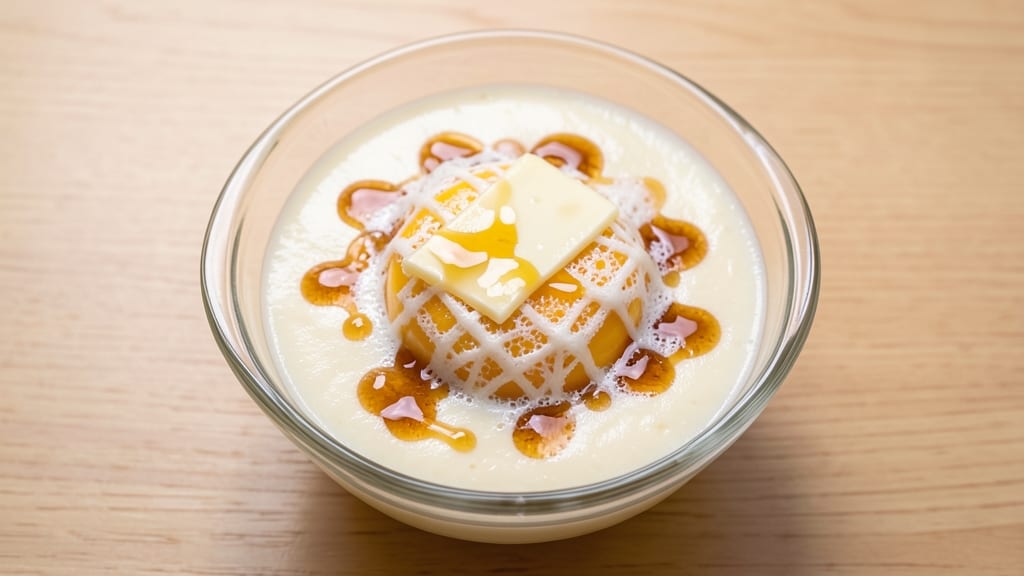
This steam egg pudding recipe delivers the perfect balance of silky smooth custard and a golden, jiggly top that makes every bite irresistible. The secret lies in precise egg-to-liquid ratios and mastering the steaming technique—no special equipment needed beyond a simple bamboo steamer or even a colander over boiling water.
I’ve perfected this method over years of testing, ensuring the texture is consistently velvety yet firm enough to hold its shape when sliced.
What sets this recipe apart is how simple yet transformative the process is: just whisk eggs, sugar, and milk until smooth, then steam gently until set. The key is patience—steaming too quickly risks a broken texture, while too little leaves it undercooked.
With the right timing, you’ll achieve that signature wobbling center and crispy edges, all while keeping the flavor clean and delicate. This dish is equally at home as a light dessert or elegant breakfast, especially when topped with a drizzle of syrup or fresh fruit.
The result is a dessert that feels luxurious yet requires minimal effort—no baking, no fuss, just pure, restaurant-quality texture you can make at home. Whether you’re serving it warm with a dusting of powdered sugar or chilled with berries, the contrast of temperatures enhances the experience.
The beauty of steamed egg pudding is its versatility: it’s comforting yet refined, perfect for any occasion where you want to impress without spending hours in the kitchen.
Ready to master this technique? The instructions break down the exact steaming time and temperature, along with tips for adjusting consistency based on your preferred texture.
No steam basket? No problem—I’ll cover alternative methods that still deliver the same silky perfection. Let’s get started on creating your own golden-topped masterpiece.
Ingredients for steam egg pudding
Eight simple ingredients transform into a luxurious dessert with perfect golden texture.
| Ingredient | Amount | Notes |
|---|---|---|
| Large Eggs 🥚 | 4 whole | Room temperature for even cooking |
| Granulated Sugar 🍚 | ½ cup | White or light brown preferred |
| Whole Milk 🥛 | 1 ½ cups | Full-fat for creaminess (or substitute with heavy cream) |
| Unsalted Butter 🧈 | 2 tbsp | Cold, cubed for golden top |
| Vanilla Extract 🌿 | 1 tsp | Pure vanilla for authentic flavor |
| Cornstarch 🌾 | 1 tbsp | For silky texture stability |
| Pinch of Salt 🧂 | ⅛ tsp | Enhances egg flavor subtly |
| Powdered Sugar 🍚 | 2 tbsp | For dusting golden top |
| Fresh Berries 🍓 | ½ cup | Optional garnish (strawberries or raspberries) |
| Maple Syrup 🍯 | 1 tbsp | For drizzling (optional) |
The eggs are the foundation—use large eggs at room temperature for even cooking and silky texture. I always grab organic pastured eggs from Whole Foods or the local farm stand for richer flavor, but any high-quality eggs work. The sugar can be white or light brown—white gives a cleaner finish, while brown adds subtle caramel notes. For the milk, whole milk or heavy cream is ideal, but 2% works in a pinch. The butter matters for that signature golden top—use unsalted and keep it cold until ready to add. Vanilla extract should be pure; imitation won't cut it here.
No vanilla extract? Almond extract at half the amount adds depth, or skip it entirely if you prefer a cleaner flavor. Running short on powdered sugar? Granulated sugar blended into a fine powder works, though it won't be as smooth. The cornstarch is non-negotiable—it's what gives that signature wobble. Need a substitute? Arrowroot powder at the same amount does the job. For the berries, frozen works in a pinch—just thaw and drain well. The maple syrup can be swapped for honey or agave, though maple pairs best with the vanilla notes.
This keeps beautifully—room temperature for 2 hours, covered in the fridge for 3 days, or frozen for 2 months in an airtight container. I always make a double batch: one for immediate serving and one to freeze for lazy breakfasts. To reheat, steam for 5-7 minutes—just enough to warm through without breaking the texture. The golden top? Best served fresh, but if you must reheat, cover with foil to prevent drying.
Why You'll Love This Recipe
- Let’s be real: most desserts turn sad after day one. Not this. Steam egg pudding stays creamy for days, and I’ve reheated portions in the microwave with just a splash of milk—no one ever guesses it’s not freshly made. Plus, it’s cheap to batch: a dozen eggs and a stick of butter stretch across meals, and the ingredients are pantry staples. My wallet thanks me every time.
- No Whisk Required: I’ll admit, I’m not the best at whipping eggs into perfect ribbons—but this pudding doesn’t need it. Just crack, stir, and steam. The eggs and milk blend effortlessly, and the butter melts right into the mix without a trace of lumps. Honestly, it’s the kind of recipe that lets you skip the fancy techniques and still get something silky smooth.
- Vanilla Butter Bliss: That first spoonful? Pure comfort. The sugar caramelizes just enough to give it a subtle depth, while the vanilla extract (don’t skimp!) infuses every bite with warmth. The butter adds richness without heaviness, and the steam coaxes out a texture that’s somewhere between custard and fluffy cloud. It’s the kind of dessert that tastes like a hug.
- Breakfast or Dessert: Between us, I’ve served this cold for breakfast with a sprinkle of cinnamon, and warm as a late-night treat with a drizzle of honey. It’s equally at home in a lunchbox (my kids sneak it from their backpacks) or as a make-ahead dessert for dinner guests. The simplicity lets it shine in any setting—no rules, just versatility.
Step-by-step instructions for steam egg pudding
A delicate balance of science and technique creates this velvety pudding with a perfect golden crust. Let's make it together.
Whisk Eggs, Sugar, and Cornstarch Until Fully Combined
In a large heatproof bowl, crack the 4 whole Large Eggs and add them to the bowl. Whisk vigorously for 2-3 minutes until the yolks and whites are fully blended and the mixture lightens in color. This step is crucial for creating the pudding's signature silky texture.
Gradually add the 0.5 cup Granulated Sugar and 1 tbsp Cornstarch while continuing to whisk. The sugar should dissolve completely, and the mixture should become slightly thicker. I like to use a fine-mesh sieve for the sugar to avoid any graininess that could affect the final texture. This combination of sugar and cornstarch creates the perfect balance of sweetness and stability.
Warm the Milk and Incorporate Aromatics
In a small saucepan, gently heat the 1.5 cups Whole Milk over medium-low heat until it reaches 160°F—just until small bubbles form around the edges but before it begins to simmer. This temperature ensures the milk is warm enough to blend smoothly with the egg mixture without scrambling the eggs.
Remove the milk from heat and stir in the 1 tsp Vanilla Extract and 0.125 tsp Pinch of Salt. Let the mixture sit for 1 minute to allow the vanilla to infuse fully. The salt enhances the egg flavor subtly, making the pudding taste more complex and well-rounded. This step is where the magic of layering flavors begins.
Combine Milk Mixture with Eggs and Strain
Slowly pour the warm milk mixture into the egg mixture while whisking constantly. The goal is to temper the eggs gently—this prevents them from curdling and ensures a smooth, creamy texture. Whisk for another 2-3 minutes until the mixture is homogeneous and slightly thickened.
Strain the mixture through a fine-mesh sieve into a clean bowl to remove any potential lumps. This step is often overlooked but makes a noticeable difference in the final texture. The strained mixture should be smooth enough to pour easily and have a consistency similar to heavy cream. Taste it now—it should be slightly sweet and tangy, with the vanilla aroma prominent.
Steam the Pudding to Perfection
Place the bowl in a larger pot or deep skillet and fill the pot with enough hot water to come about halfway up the sides of the bowl. The water should be simmering gently—not boiling vigorously. Cover the bowl tightly with plastic wrap or a lid to trap the steam. This creates an even cooking environment that prevents a skin from forming on top.
Steam the pudding for 45-50 minutes until the center is just set but still slightly wobbly. To test doneness, gently shake the bowl—if the pudding moves slightly but doesn't jiggle much, it's ready. Overcooking will make it rubbery, so keep an eye on it during the last 10 minutes. The pudding should have a smooth, custard-like consistency with a slight sheen on top.
Finish with Butter, Sugar, and Garnish
Remove the pudding from the steam bath and let it cool for 5 minutes. Then, fold in the 2 tbsp Unsalted Butter and 2 tbsp Powdered Sugar using a spatula. The butter adds richness, while the powdered sugar creates that signature golden top. The mixture should become slightly thicker and more luxurious in texture.
Divide the pudding into serving dishes and dust the tops with an additional sprinkle of powdered sugar. For garnish, arrange the 0.5 cup Fresh Berries on top and drizzle with 1 tbsp Maple Syrup if desired. Serve immediately while still warm for the best texture and flavor. The contrast between the silky pudding, the crisp berries, and the sweet syrup creates a truly memorable dessert.
Pro Tips For Making Steam Egg Pudding
- STEAM THE BUTTER FIRST: Whole milk puddings need melted butter—not cold lumps. Heat the butter in the same saucepan you’ll cook the pudding in, just until it’s fully liquid and smells nutty (about 2 minutes on medium). This keeps the texture silky instead of grainy, and it’s one less bowl to wash.
- WHISK EGGS LIKE YOUR LIFE DEPENDS ON IT: Vigor matters here. Beat the eggs and sugar until the mixture is pale, thick, and leaves a trail when you lift the whisk. I used to skimp, and the pudding turned out dense and bland. It’s worth the arm workout—this is the step that makes it light and custardy.
- STOP WHEN IT’S JUST SET: The pudding’s done when it’s barely wobbling in the center, not when it’s firm. Overcooking turns it rubbery. If you’re using a water bath, pull it out when the edges are set but the middle still jiggles like a wobbly Jell-O. Let it sit 5 minutes—it’ll firm up as it cools.
- USE COLD MILK: Room-temperature milk makes pudding that separates. Chill the milk first, then warm it gently (just until it steams, no boiling) before whisking it into the egg mixture. Cold milk blends smoother and keeps the texture uniform—no curdling, no surprises.
Flavor customization for this steam egg pudding
Citrus Twist
Brighten the flavor profile by adding 1 tbsp freshly squeezed lemon or orange juice to the warm milk mixture. The acidity balances the richness of the eggs and milk, creating a refreshing contrast.
I like to zest ½ tsp lemon or orange zest into the egg mixture before straining for an extra layer of citrus aroma. Serve with a garnish of thinly sliced citrus on top for a pop of color and freshness. 🍊
Spiced Vanilla
Infuse warmth into your pudding by adding ½ tsp ground cinnamon or ¼ tsp cardamom to the egg mixture while whisking. For a deeper spiced profile, warm ½ tsp vanilla bean paste in the milk instead of extract—this adds natural sweetness and a luxurious depth.
Top with a sprinkle of ground cinnamon or a few candied orange slices for a festive touch.
Chocolate Indulgence
Transform this dessert into a decadent treat by folding in 2 tbsp melted dark chocolate (at least 70% cocoa) with the butter at the end. For an extra-rich version, replace ½ cup milk with ½ cup heavy cream> and add 1 tbsp cocoa powder to the egg mixture.
Garnish with chocolate shavings or a drizzle of chocolate ganache for a restaurant-worthy finish.
Matcha Green Tea
Elevate your pudding with 1 tsp high-quality matcha powder whisked into the egg mixture for a vibrant green hue and earthy flavor. Use ½ cup unsweetened almond milk> instead of regular milk to complement the matcha notes.
Garnish with red bean paste> or white sesame seeds for a Japanese-inspired twist that’s both elegant and comforting.
Coconut Creamy
Swap the milk for 1.5 cups full-fat coconut milk> (canned, not carton) and add ½ tsp coconut extract> for a tropical flavor. The pudding will have a naturally richer texture with subtle coconut undertones.
Top with toasted coconut flakes> and a drizzle of coconut syrup> for a dessert that feels like a vacation in every bite. 🥥
Salted Caramel
Add a sophisticated twist by folding in 2 tbsp homemade salted caramel sauce> (store-bought works too) with the butter at the end. For extra depth, sprinkle the top with flaky sea salt> before serving.
The contrast of sweet, salty, and creamy makes this a showstopper for dinner parties or special occasions.
Nutrition facts
Frequently asked questions
Can I use a different type of milk for this recipe?
While whole milk gives the creamiest texture, you can substitute with 2% milk or even half-and-half for extra richness. For a lighter option, unsweetened almond milk works but may yield a slightly less velvety result. The key is maintaining the 1.5 cups total liquid measurement to keep the egg-to-liquid ratio balanced.
What if my pudding comes out too runny?
Understeamed pudding happens when the center isn't fully set. Return it to the steam bath for 5-10 more minutes, testing doneness by gently shaking the bowl—it should move slightly but not jiggle like jelly. For next time, ensure your water is simmering (not boiling) and the bowl is properly covered to trap steam evenly. A 1 tbsp extra cornstarch in the egg mixture can also help stabilize texture.
How do I make this without a bamboo steamer?
No bamboo steamer? No problem! Use a heatproof bowl placed in a pot with 1-2 inches of simmering water (water shouldn't touch the bowl). Cover tightly with plastic wrap or a lid to create a steam chamber. For a colander method, place the bowl in a colander over boiling water, then cover with foil. Both methods work—just monitor the steaming time closely.
Can I prepare this ahead of time?
Yes! This pudding actually tastes better the next day. Store it in an airtight container in the fridge for up to 3 days. To serve, steam for 5-7 minutes to warm through—just enough to soften the texture without breaking it. For freezing, divide into portions and freeze for up to 2 months. Thaw overnight in the fridge before reheating.
Why does my pudding have a skin on top?
A skin forms when the top dries out from uneven steaming. Always cover the bowl tightly with plastic wrap (pressed directly onto the surface) or use a lid to trap steam. For extra insurance, place a damp paper towel between the cover and bowl. If a skin forms, gently scrape it off before serving—it won't affect the delicious custard underneath!