
Sauces & Condiments
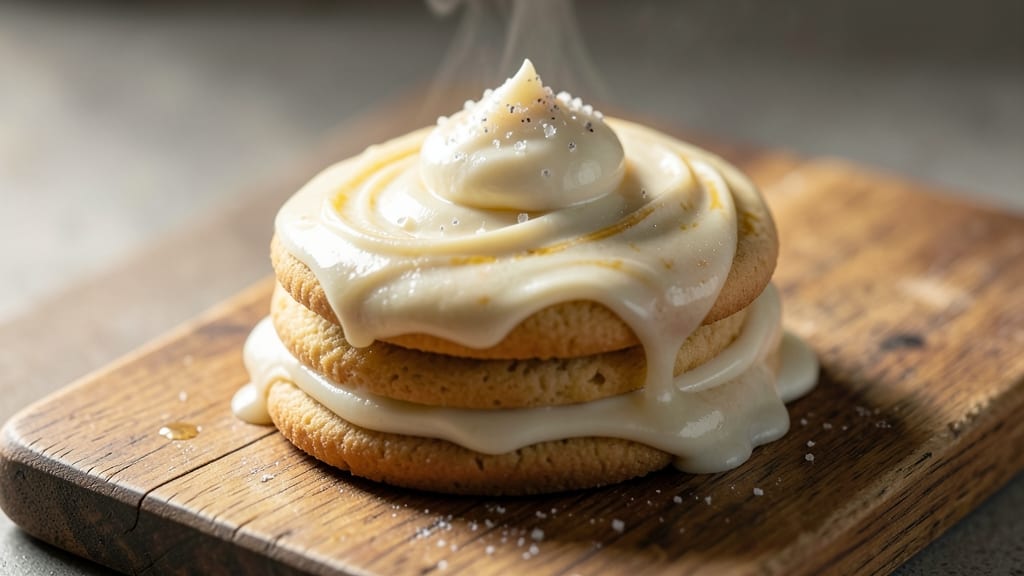
This sugar cookie icing recipe with egg white delivers the perfect balance of stiff-pipe stability and rich flavor—no more sagging decorations or bland frosting. 💛 The secret lies in whipping egg whites to stiff peaks before combining them with powdered sugar and butter, creating a frosting that holds its shape beautifully while still tasting like classic sugar cookie icing.
What sets this recipe apart is its foolproof technique: the egg whites provide structure without altering the sweet, buttery flavor you expect. We're talking about a frosting that's easy to pipe into intricate designs, yet still melts beautifully in your mouth.
The recipe uses simple ingredients—powdered sugar, butter, vanilla, and a pinch of salt—to create something that feels both professional and approachable.
By the time you're done, you'll have a batch of frosting that's perfect for decorating sugar cookies, cupcakes, or even cake layers. The consistency is just right: firm enough to hold intricate piping but still spreadable for a smooth finish.
It keeps its shape beautifully in the piping bag, yet softens slightly when baked, giving you that perfect balance of decoration and texture.
This icing also stores well in the refrigerator for up to a week, making it ideal for prepping ahead of time. Whether you're baking for a holiday celebration or just treating yourself to some homemade cookies, this recipe delivers professional-quality results with minimal effort. Let's get started!
Ingredients for sugar cookie icing recipe with egg white
Four egg whites and three cups sugar—this is your ticket to piping perfection.
| Ingredient | Amount | Notes |
|---|---|---|
| Large Egg Whites 🥚 | 4 whole | Room temperature, pasteurized if preferred |
| Powdered Sugar 🍚 | 3 cups | Sifted for smooth texture |
| Unsalted Butter 🧈 | 1 cup | Softened, full-fat for richness |
| Pure Vanilla Extract 🌿 | 1 tsp | High-quality, no alcohol needed |
| Fine Sea Salt 🧂 | ¼ tsp | Kosher or Diamond Crystal |
| Cream of Tartar 🍋 | ¼ tsp | Stabilizes egg whites |
| Corn Syrup 🍯 | 1 tbsp | Light corn syrup preferred |
| Lemon Juice 🍋 | ½ tsp | Freshly squeezed, optional |
The egg whites are the magic here. Room temperature is key—they whip up fluffier and faster. Grab pasteurized if you're worried about raw eggs, but fresh works too (just handle with care). Butter should be softened but not melted—press your finger in, it should leave a slight indent. The powdered sugar? Sift it before measuring to avoid lumps, and use a fine-mesh strainer if you're really picky. I always grab Domino brand at the grocery store—it dissolves smoothly. For the vanilla, Heinz pure extract is my go-to, but any good-quality brand works. Pro tip: if your kitchen feels humid, chill your bowl and beaters for 10 minutes before starting—the egg whites will hold their shape better.
No egg whites? Aquafaba (chickpea brine) works in a 1:1 ratio, but you'll need to whip it longer for stiff peaks. Short on powdered sugar? Confectioners' sugar is the same thing—just check the label. The butter can be swapped for vegan butter> but it won't be quite as rich. Want extra stability? Add 1/4 tsp xanthan gum to the sugar before sifting. The corn syrup is non-negotiable for professional results—it prevents crystallization and keeps the icing smooth. No corn syrup? Light honey or maple syrup in a pinch, but reduce other liquids slightly. And if you're feeling fancy, add a pinch of almond extract with the vanilla for depth.
This icing keeps beautifully—1 week refrigerated in an airtight container. For longer storage, freeze portions for up to 3 months. To use frozen icing, let it sit at room temperature for 10 minutes before piping. The butter will soften slightly, so if you're prepping ahead, pipe onto parchment-lined trays and freeze until firm before transferring. And here's a secret: if your icing starts to weep or lose shape, just whip it again for 30 seconds—it'll come back to life. Perfect for holiday cookies, cupcakes, or even cake layers. Trust me, this is the last frosting you'll ever buy.
Why You'll Love This Recipe
- No Whisking Needed: I swear by this trick—just beat the egg whites until stiff peaks form, then fold in the butter and vanilla like you’re making meringue. No mixer? A hand mixer does the job in minutes, and honestly, the texture is smoother than store-bought.
- Vanilla Buttercream Magic: That egg white keeps it light, while the butter makes it rich enough to stand on its own. A pinch of salt and real vanilla extract? It’s the kind of icing that makes people pause mid-bite—like, how is this so good?
- Holiday or Snack Attack: Slather it on sugar cookies for Christmas, but don’t stop there. Drizzle it over vanilla cake layers or even toasted cinnamon rolls. (Yes, I’ve done it. It’s genius.)
- Leftovers That Last: This icing thickens perfectly for piping and stays fresh for days in the fridge. Need to decorate 50 cookies for a party? Make a double batch—it’s my go-to for stress-free baking.
Step-by-step instructions for stiff-piped sugar cookie icing
Here's how to whip up piping-stiff icing that holds its shape beautifully while keeping all the flavor you crave.
👨🍳 Step 1: Whip Egg Whites to Stiff Peaks
In a clean, grease-free mixing bowl, combine the 4 whole Large Egg Whites with the 0.25 tsp Cream of Tartar and 0.5 tsp Lemon Juice. Use a hand mixer or stand mixer fitted with the whisk attachment to beat on medium-high speed until soft peaks form.
Here's the thing—cream of tartar is your secret weapon. It stabilizes the egg whites, helping them hold their shape better. Once you reach soft peaks (when the whisk leaves a slight trail in the meringue), gradually add the 1 tbsp Corn Syrup and continue beating until the meringue is glossy and holds its shape when you lift the whisk.
👨🍳 Step 2: Gradually Add Powdered Sugar
With the mixer running on low speed, begin adding the 3 cups Powdered Sugar about ½ cup at a time. This gradual approach prevents deflation and ensures you don't overwhelm the egg whites. After each addition, increase the speed to medium-high and beat for 1-2 minutes until smooth.
I know it seems like too much sugar, but trust me—this is what creates that perfect piping consistency. The sugar dissolves into the meringue, creating a stable base that won't collapse when piped. If the mixture looks grainy, sift the powdered sugar first to avoid lumps.
🥘 Step 3: Incorporate Butter and Flavors
Reduce the mixer speed to low and add the 1 cup Unsalted Butter in small dollops (about 1 tablespoon at a time). After each addition, increase the speed to medium-high and beat for 30 seconds until fully incorporated. The butter should blend seamlessly without breaking the stiff consistency.
Next, add the 1 tsp Pure Vanilla Extract and 0.25 tsp Fine Sea Salt. Mix on low speed for 30 seconds to combine evenly. The salt enhances the flavors and balances the sweetness, while the vanilla adds that classic sugar cookie aroma. Here's where it gets fun—taste a small amount to adjust sweetness if needed.
⏰ Step 4: Test and Adjust Consistency
For perfect piping stability, the icing should hold its shape when you lift the spatula or piping bag. If it's too thin, add another ¼ cup Powdered Sugar and beat briefly. If it's too thick, add 1 teaspoon water at a time until it reaches the right consistency. Remember, it's better to start slightly thicker—you can always thin it out later.
Let the icing rest for 10-15 minutes at room temperature. This resting period allows the flavors to meld and the texture to stabilize. After resting, give it one final beat with the mixer to ensure everything is smooth before piping. The icing should now be ready to create those beautiful, crisp borders and intricate designs on your cookies!
Pro Tips For Making Sugar Cookie Icing Recipe With Egg White
- Whip Egg Whites Cold: Pull your egg whites straight from the fridge—room temperature makes them clingy and hard to control. I learned this after watching batches of icing turn into a sticky mess when the whites warmed up mid-whipping. A chilled bowl and whisk help too; no one wants to fight their icing.
- Salt Before Butter: Toss in that fine sea salt before adding the butter—it dissolves better and distributes evenly. I used to add it last, and the icing would have these weird salty pockets. A pinch (about ¼ teaspoon) balances the sweetness without overpowering, especially if your butter’s unsalted.
- Beat Butter to Room Temp: Softened butter (not melted, not cold) blends smoother and gives the icing a silky finish. I’ve tried cutting corners with cold butter, and the icing ends up grainy. Press it between your fingers—it should give slightly but hold its shape. No one notices the effort, but they’ll notice the texture.
- Use a Stand Mixer for Powdered Sugar: Dumping powdered sugar all at once clogs mixers. Split it into two additions, whipping between each. I skipped this once and ended up with a clumpy disaster. If you’re hand-mixing, sift the sugar first—it’s less dusty and mixes faster. Your wrists will thank you.
Troubleshooting perfect results
Egg Whites Too Runny
If your egg whites aren't holding their shape, you likely didn't whip them long enough or your bowl wasn't clean enough. Grease or fat can prevent stiff peaks, so use a spotless bowl and beaters. I always wash my beaters with hot, soapy water before starting.
Also, make sure your egg whites are at room temperature—cold whites take longer to whip. If they're still struggling, add another ¼ tsp cream of tartar and whip for another 2-3 minutes. 💡
Icing Too Thin
Thin icing usually means you added too much liquid (like lemon juice) or didn't incorporate enough powdered sugar. Gradually add ¼ cup powdered sugar at a time, mixing well after each addition.
If it's still too thin, let it sit in the fridge for 10 minutes—the cold will help it thicken. For a quick fix, place the bowl over ice while mixing on low speed for 1-2 minutes.
This trick works like magic for me when I'm in a rush. ✨
Butter Not Mixing Smoothly
If your butter clumps or doesn't blend into the icing, it's likely too cold. Make sure your butter is softened but not melted—press your finger into it, and it should leave a slight indent. If it's still too firm, microwave it in 5-second bursts until just soft.
Add the butter slowly, one tablespoon at a time, and mix on low speed to avoid deflating the egg whites. Patience is key here—rushing leads to lumps. 🧈
Icing Crystallizing
Crystallization happens when sugar separates from the liquid, creating grainy texture. To prevent this, sift your powdered sugar before adding it to the egg whites. If it's already happening, gently rewarm the icing by placing the bowl over warm (not hot) water for 1-2 minutes, stirring constantly.
For future batches, add 1 tbsp corn syrup to the sugar before sifting—it keeps everything smooth. This is a game-changer for professional results. 💫
Piping Bag Leaks
Leaks usually mean your icing is too thin or your piping bag isn't sealed properly. First, check the consistency—if it's too runny, add 1-2 tbsp more powdered sugar and mix. For the bag, roll the top tightly and secure it with a rubber band or twist tie.
If you're using a disposable bag, press the cut corner firmly against the rim before piping. Pro tip: chill the icing for 15 minutes before piping to firm it up. Trust me, this stops leaks every time. 🔥
Flavor Too Weak
If your icing tastes bland, it's likely because the flavors didn't meld properly. After adding vanilla and salt, let the icing rest for 10-15 minutes at room temperature. This gives the flavors time to develop.
For extra depth, add ½ tsp almond extract or a pinch of cinnamon to the sugar before sifting. If you're using artificial vanilla, switch to pure extract—it makes a noticeable difference. Taste as you go, and don't be afraid to adjust! 🌿
Nutrition facts
Frequently asked questions
Why does this recipe use egg whites instead of whole eggs?
Egg whites create a lighter, more stable icing that holds its shape beautifully when piped. They also prevent the icing from becoming too rich or greasy, which can happen with whole eggs. The stiff peaks from whipped egg whites give you that professional-quality structure without altering the sweet, buttery flavor you love in sugar cookies.
Can I make this icing without corn syrup?
Yes, but you might notice slight crystallization in the texture. Replace the corn syrup with 1 tbsp light honey or maple syrup, but reduce other liquids slightly to maintain stability. For best results, use corn syrup—it prevents sugar separation and keeps the icing smooth and professional. If you're avoiding refined sugar, try agave syrup as a substitute.
How do I store leftover icing?
Store in an airtight container in the fridge for up to 1 week. For longer storage, freeze portions for 3 months. When ready to use, let it sit at room temperature for 10 minutes before piping. To prevent drying, press plastic wrap directly onto the surface before sealing the container. The butter will soften slightly when thawed, so chill again for 15 minutes before piping for crisp results.
Can I color this icing without affecting the consistency?
Use gel food coloring (like Wilton or Americolor) to avoid adding liquid that could thin the icing. Start with ½ tsp gel color> and mix well—gel colors are concentrated and won't alter the texture. For pastel shades, use 1 tsp> and mix thoroughly. Avoid liquid food coloring, as it can make the icing too runny. Test consistency after coloring by piping a small amount onto parchment.
What's the secret to piping clean, sharp lines?
Chill your icing for 15 minutes before piping to firm it up, then use a piping bag fitted with a small round tip (like Wilton 2 or 3)>. Apply even pressure while moving the bag in one smooth motion. For extra precision, rest the bag on a non-slip surface (like a damp paper towel) to stabilize your hand. Work quickly—humidity can soften the icing, so pipe in a cool, dry environment.