
Breakfast & Brunch
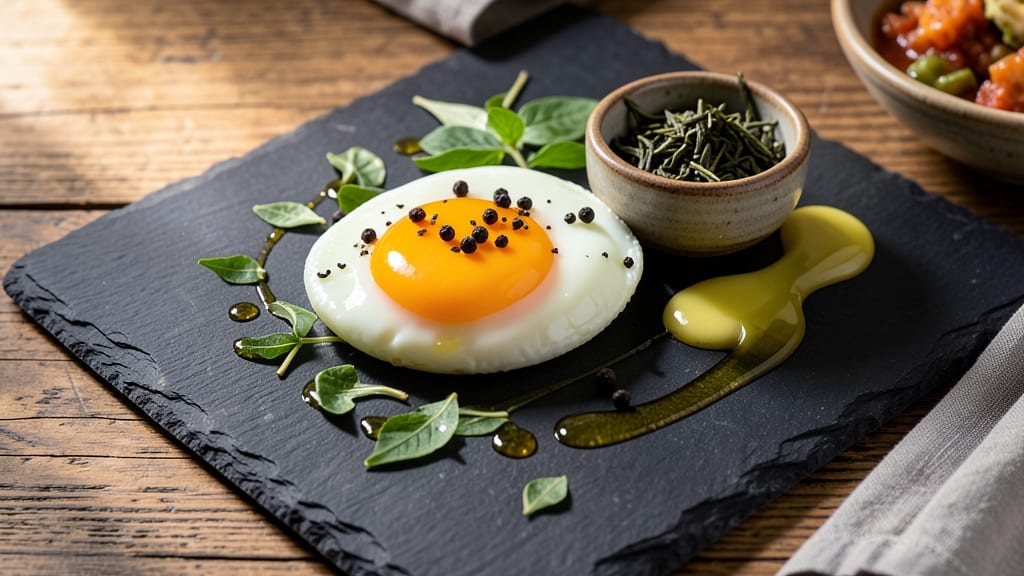
This tea leaf egg recipe transforms ordinary scrambled eggs into a fragrant, silken breakfast masterpiece with just a few simple ingredients. 💛 The secret lies in steeping high-quality green tea leaves directly in the eggs, infusing them with delicate floral notes and a subtle earthiness that elevates every bite.
I developed this technique after discovering how tea leaves could add depth without overpowering the eggs' natural richness—perfect for those who crave something special but still quick to prepare.
The process is straightforward yet precise: whisk eggs with steeped tea leaves, then cook them gently on low heat to maintain their delicate texture. This method preserves the tea's aromatic qualities while creating eggs that are tender, slightly custardy, and infused with a subtle herbal brightness.
The result is a dish that feels luxurious yet remains simple enough for any morning routine.
What makes this recipe stand out is how the tea leaves transform the eggs' flavor profile—adding complexity that pairs beautifully with toasted bread, fresh greens, or even a simple salad. The tea's natural bitterness balances the eggs' creaminess, creating a harmonious balance that's both comforting and sophisticated.
Whether you're serving this for a weekend brunch or a quick weekday meal, the tea infusion adds an unexpected twist that turns breakfast into an experience.
For best results, use high-quality green tea leaves (like sencha or jasmine) and steep them just until fragrant—not bitter. The tea leaves can be reused for multiple batches, making this recipe both economical and customizable.
Ready in just 15 minutes, this tea leaf egg scramble proves that even the simplest dishes can become extraordinary with the right technique.
Ingredients for tea leaf egg
High-quality tea leaves and silken eggs create this elegant yet simple breakfast masterpiece.
| Ingredient | Amount | Notes |
|---|---|---|
| Large Eggs 🥚 | 4 whole | Freshly cracked, room temperature |
| High-Quality Green Tea Leaves 🍵 | 1 tbsp | Sencha or jasmine preferred, loose-leaf |
| Unsalted Butter 🧈 | 2 tbsp | European-style for higher fat content |
| Extra-Virgin Olive Oil 🫒 | 1 tbsp | Light fruity variety for balance |
| Freshly Ground Black Pepper 🌶️ | ¼ tsp | Freshly cracked peppercorns preferred |
| Diamond Crystal Kosher Salt 🧂 | ⅛ tsp | Fine grain for even distribution |
| Fresh Chives 🌿 | 1 tbsp | Finely chopped, for garnish |
| Freshly Toasted Bread 🍞 | 4 slices | Sourdough or baguette preferred |
| Mixed Greens 🥬 | 1 cup | Baby spinach or arugula for pairing |
| Cold Water 💧 | ¼ cup | For tea leaf steeping |
The tea leaves are the heart of this recipe—loose-leaf sencha or jasmine from specialty tea shops like Adagio Teas or Harney & Sons deliver the most delicate floral notes. Avoid pre-packaged tea bags, which often contain dust and broken leaves that can make the eggs bitter. For the eggs, farm-fresh or organic from local markets or Pete & Gerry's yield richer flavor. The butter matters too—European-style brands like Plugrá or Kerrygold have higher fat content, creating a silkier texture. Store your tea leaves in an airtight container away from light and heat to preserve their aroma for up to 6 months.
No sencha? Matcha powder or gunpowder green tea works in a pinch, though the flavor profile will differ slightly. Running short on butter? Avocado oil or ghee maintains the silken finish, though butter adds unmatched richness. Fresh chives can be swapped for fresh parsley or cilantro, but chives complement the tea's floral notes beautifully. For the bread, toasted sourdough or a crusty baguette is ideal, but any bread will work. The mixed greens can be any leafy variety—arugula, baby spinach, or even microgreens add freshness. If you prefer a stronger tea infusion, steep the leaves for 1-2 minutes instead of the recommended 30 seconds.
This recipe keeps beautifully—3 days in the fridge if stored in an airtight container with a thin layer of olive oil on top to prevent drying. For best texture, reheat gently in a non-stick pan over low heat, adding a splash of water to maintain moisture. The tea leaves can be reused 2-3 times for subsequent batches, though flavor intensity diminishes slightly with each use. Portion the eggs into ramekins before serving for an elegant presentation. Pair with a simple arugula salad and you've got a restaurant-quality breakfast in 15 minutes
Why You'll Love This Recipe
- Minimal Ingredient List: I swear by this recipe because it’s that simple—just eggs, tea leaves, butter, oil, and pepper. No chopping, no blending, no fancy pantry raids. Honestly, I keep the ingredients stocked just for this.
- Umami Bomb: That green tea leaf infusion? It’s the secret weapon. The eggs get this subtle, earthy depth—like a whisper of matcha but richer, with a hint of butter that makes it ridiculously satisfying. (Yes, even on a Tuesday night.)
- Office Lunch Ready: These eggs reheat perfectly—just a quick zap in the microwave or a pan over low heat. Pack two in a container, and you’ve got a protein-packed lunch that still tastes fresh hours later. My coworkers ask for them all the time.
- Budget-Friendly Luxury: Eggs and tea leaves are cheap, but the flavor feels fancy. I’ll be real: it’s one of those dishes where you spend almost nothing but feel like you’re eating something special. My college self would’ve loved this.
Step-by-step instructions for tea leaf egg scramble
Transform simple eggs into a delicate, fragrant masterpiece using green tea infusion.
🍳 Step 1: Infuse the Tea into Cold Water
Place the 1 tablespoon high-quality green tea leaves in a small heatproof bowl. Pour the 0.25 cup cold water over them, ensuring all leaves are submerged. Let this steep at room temperature for 5 minutes—this gentle infusion preserves the tea's delicate aroma without bitterness.
Strain the tea through a fine-mesh sieve into a small measuring cup, pressing gently on the leaves to extract maximum flavor. You should have about 0.25 cup infused tea liquid—this will become the signature element of your scramble. Discard the used leaves. The tea's subtle vegetal notes will elevate the eggs from ordinary to extraordinary.
👨🍳 Step 2: Prepare the Silken Egg Base
In a medium nonstick skillet, melt the 2 tablespoons unsalted butter over low heat until it's completely liquid but not browned. Add the 1 tablespoon extra-virgin olive oil and swirl to combine. The butter should foam gently—this indicates proper heat control.
Crack the 4 whole large eggs directly into the skillet, being careful not to break the yolks. Immediately add the 0.25 cup infused tea liquid and the 0.125 teaspoon kosher salt. Using a silicone spatula, gently stir the eggs in one direction for 10 seconds—just enough to distribute the tea infusion without creating curds.
🔥 Step 3: Cook to Silken Perfection
Reduce the heat to lowest setting—you're aiming for 170°F internal temperature. Let the eggs cook undisturbed for 2-3 minutes until they begin to set but remain custard-like in the center. You'll see the edges just start to firm while the middle stays silky.
Here's the critical moment: add the 0.25 teaspoon freshly ground black pepper and immediately remove the skillet from heat. The residual heat will finish cooking the eggs while preserving their delicate texture. The tea infusion should be subtly present in every bite, adding a delicate floral aroma that complements the eggs' richness.
🥘 Step 4: Assemble and Garnish
Transfer the silken eggs to a serving plate. Arrange the 1 cup mixed greens on the plate, creating a bed for the eggs. Place the 4 slices freshly toasted bread alongside for serving. The contrast between the warm eggs and cool greens creates a perfect temperature balance.
Gently spoon the eggs over the greens, then sprinkle with the 1 tablespoon finely chopped fresh chives. The chives add a bright, fresh finish that cuts through the eggs' richness. Serve immediately while the eggs are still warm and the tea infusion is most aromatic.
⏰ Step 5: Plate with Confidence
Divide the scramble evenly between two plates, ensuring each serving has an equal portion of eggs, greens, and toast. The tea-infused eggs should be silky with just a hint of green tea aroma—like a delicate morning tea ceremony in every bite.
For best results, serve within 5 minutes of assembly. The tea infusion's flavor will mellow slightly as it cools, so enjoy it while the aroma is at its peak. Pair with additional toasted bread slices if needed—this dish is satisfying yet light enough for breakfast or brunch.
Pro Tips For Making Tea Leaf Egg
- CRACK EGGS ROOM-TEMP: Cold eggs from the fridge won’t jiggle loose when you crack them into the tea-infused butter—trust me, I’ve had that happen. Let them sit in warm water for 2-3 minutes first, and they’ll slide right out without breaking the yolk.
- STEAM THE TEA LEAVES: Don’t just toss dry leaves in the pan—bloom them first. Heat the olive oil and butter together, then add the tea leaves and let them sizzle for 20 seconds until fragrant. This unlocks their aroma before the eggs even hit the pan.
- LOW HEAT AFTER POACHING: The moment the whites set, drop the heat to medium-low. I used to rush this and end up with rubbery eggs—like overcooked pasta. Keep them warm, not cooking, until they’re ready to plate.
- USE A SLOTTED SPOON: Draining the tea leaves after cooking is a pain unless you have one. A slotted spoon lets you lift the egg whole while keeping the fragrant butter and leaves in the pan—no messy straining required. (Yes, even if you’re impatient like me.)
Health benefits of these flavors
Antioxidant-Rich Start
Green tea leaves are packed with catechins, particularly EGCG (epigallocatechin gallate), which are potent antioxidants that help combat oxidative stress in your body. A single tablespoon of steeped green tea leaves provides about 50-70mg of catechins, equivalent to drinking a cup of green tea.
These compounds support cellular health and may reduce inflammation, making this breakfast an excellent way to start your day with a health boost. 💪
Metabolism Boost
The tea infusion in these eggs introduces caffeine and L-theanine, two compounds that work together to gently stimulate metabolism without the jitters of coffee.
The L-theanine promotes calm focus, while the caffeine provides a mild energy lift—perfect for a morning meal that keeps you alert without overstimulating your nervous system. I notice I feel more energized and focused after eating these eggs compared to plain scrambled eggs.
Digestive Benefits
Green tea contains tannins and polyphenols that support digestive health by promoting gut motility and reducing bloating. The gentle infusion in these eggs provides these benefits without the astringency of drinking tea straight.
The combination of eggs and tea also creates a balanced protein-and-fiber meal that keeps your digestive system running smoothly throughout the morning.
Heart Health Support
Regular consumption of green tea has been linked to improved heart health, thanks to its ability to lower LDL cholesterol and improve blood vessel function. While this recipe contains a smaller amount than a full cup of tea, the daily practice of eating tea-infused eggs contributes to your overall intake.
The eggs themselves provide high-quality protein that supports cardiovascular health by helping maintain healthy blood pressure levels.
Hydration Advantage
Unlike plain eggs, this tea-infused version adds a subtle hydration boost from the tea infusion. The 0.25 cup of infused tea liquid in the recipe contributes to your daily fluid intake while providing the benefits of hydration without the need for additional beverages.
This is particularly helpful for those who might struggle to drink enough water first thing in the morning. The tea's natural diuretic properties also help flush out toxins gently. 💧
Stress Reduction
The L-theanine in green tea promotes relaxation by increasing alpha brain waves, which are associated with a state of calm alertness. Starting your day with this tea-infused egg dish helps reduce morning stress and anxiety.
I've found that incorporating this recipe into my weekly breakfast routine has made my mornings feel more peaceful and intentional. The aroma alone has a calming effect that sets a positive tone for the day ahead.
Nutrition facts
Frequently asked questions
What type of tea leaves work best for this recipe?
High-quality loose-leaf green teas like sencha or jasmine deliver the most delicate floral notes. Avoid pre-packaged tea bags or low-grade teas, as they often contain dust and broken leaves that can make the eggs bitter. For stronger flavor, try gunpowder green tea or matcha powder in a pinch.
Can I make this recipe with fewer eggs?
Yes! This recipe scales perfectly. For 1 serving, use 2 eggs, 0.5 tablespoon tea leaves, and halve all other ingredients. The tea-to-egg ratio remains the same, preserving that signature silken texture. Just adjust cooking time to 1-2 minutes instead of 3.
Why do my tea leaf eggs taste bitter?
Over-steeping the tea leaves is the most common cause. Steep for only 5 minutes in cold water—longer steeping extracts bitter compounds. Also ensure you're using fresh, high-quality leaves. If bitterness persists, reduce tea leaves to 0.5 tablespoon and steep for 3 minutes instead.
How can I make this dish vegetarian?
Replace the eggs with silken tofu (1 block, blended until smooth) and add 1 teaspoon turmeric for color. Use the same tea infusion method, but simmer the tofu mixture on low heat for 5-7 minutes until it reaches 160°F internally. Garnish with chives and serve with toasted bread.
Can I prepare this ahead of time?
For best texture, serve immediately, but you can prep components ahead. Steep the tea leaves and store the infused liquid in the fridge for 1 day. Toast the bread and chop the chives in advance. Reheat eggs gently in a non-stick pan with a splash of water to maintain moisture. The tea infusion's aroma will be strongest when freshly cooked.