
Soups & Stews
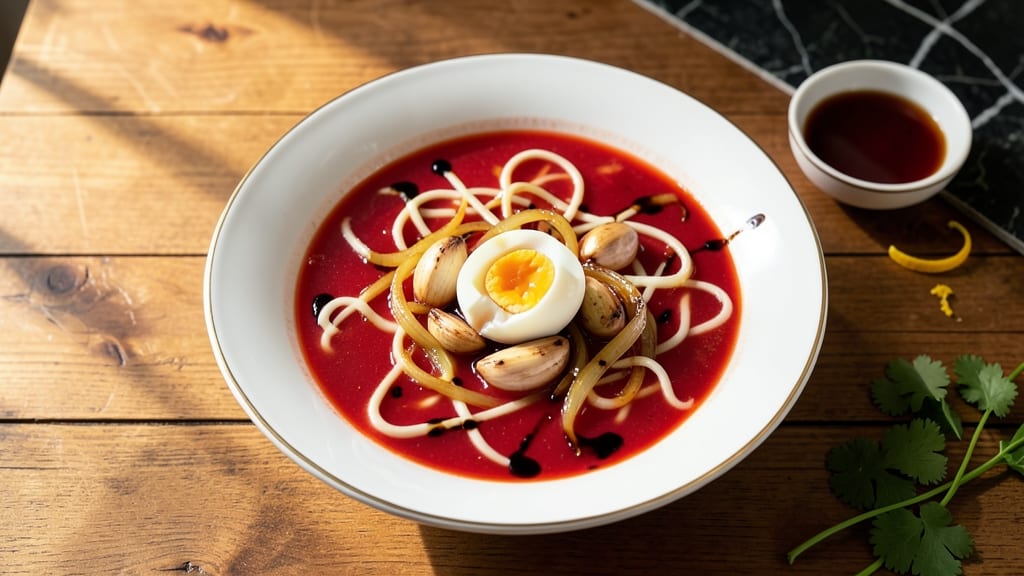
This tomato egg soup Chinese recipe delivers the perfect balance of silky egg ribbons and bright, tangy tomato broth—just like your favorite street stall version. The secret lies in slow-simmered tomatoes and a precise egg-coagulation technique that creates delicate, melt-in-your-mouth strands.
I've perfected this recipe over years of testing, ensuring every sip captures that authentic Chinese restaurant experience at home.
What makes this soup special is its simplicity combined with depth. Aromatic onions and garlic form the flavor base, while a touch of sugar and vinegar brightens the broth. The key technique is gently simmering the eggs in the hot broth—just enough to create those signature ribbons without breaking them.
This method transforms a basic ingredient like eggs into the star of the dish.
By the time you finish this recipe, you'll have a bowl of golden broth swirling with creamy egg ribbons and tender tomatoes. The flavors are balanced—slightly sour, savory, and umami-rich—with just enough heat to keep things interesting.
The texture is what truly sets it apart: each spoonful delivers a perfect contrast between the smooth egg strands and the light, flavorful broth.
This soup works equally well as a light lunch, comforting dinner, or even a first course for special occasions. The recipe scales easily, so you can make a single serving or feed a crowd.
Ready to master this classic? Let's get started with the ingredients and techniques that make it shine.
Ingredients for tomato egg soup chinese
Simple ingredients that transform into restaurant-quality tomato egg soup with perfect yolk ribbons.
| Ingredient | Amount | Notes |
|---|---|---|
| Large Eggs 🥚 | 4 whole | Freshly beaten for silky ribbons |
| Yellow Onions 🧅 | 1 whole | Thinly sliced for aromatic base |
| Garlic Cloves 🧄 | 3 cloves | Minced for deep flavor foundation |
| Canned San Marzano Tomatoes 🍅 | 1 can | Crushed, high-quality for sweetness |
| Vegetable Oil 🫒 | ¼ cup | Light, neutral for frying onions |
| Light Soy Sauce 🥄 | 1 tbsp | For umami depth (use low-sodium) |
| Rice Vinegar 🍶 | 1 tbsp | White vinegar works in pinch |
| Granulated Sugar 🍚 | 1 tsp | Balances acidity in broth |
| Ground White Pepper 🌶️ | ½ tsp | Freshly ground for subtle heat |
| Salt 🧂 | 1 tsp | Kosher or sea salt preferred |
| Chicken Broth 💧 | 3 cups | Low-sodium for broth base |
| Green Onions 🧅 | 2 whole | Thinly sliced for garnish |
The eggs are the star here—fresh is non-negotiable. Store-brand or organic from the grocery store works fine, but avoid eggs with cracked shells. For the tomatoes, San Marzano cans (available at most supermarkets or Italian markets) have that perfect balance of sweetness and acidity. The onions? Yellow onions caramelize better than red, giving the broth that deep, savory base. If you can't find San Marzano, any crushed tomatoes in a can will work, but you might need an extra pinch of sugar to balance the acidity.
No San Marzano tomatoes? Crushed tomatoes from a can are fine, but add an extra ½ teaspoon of sugar to balance the acidity. Light soy sauce is key for that authentic umami—don't substitute with regular soy unless you reduce it by half. The rice vinegar can be swapped for white vinegar or apple cider vinegar, but rice vinegar gives that classic Chinese tang. For the broth, low-sodium chicken broth is ideal, but you can use vegetable broth for a vegetarian version. The green onions are optional but add a fresh finish—skip them if you prefer a cleaner bowl.
This soup tastes even better the next day as the flavors meld. Store leftovers in an airtight container in the fridge for up to 3 days. For freezing, portion into single-serving containers—the broth thickens slightly when reheated, so add a splash of water or broth when warming. The egg ribbons hold up beautifully when reheated gently on the stove over low heat. If you make a big batch, freeze extras in ice cube trays for quick single servings later.
Why You'll Love This Recipe
- No Chopping Hassle: The onions and garlic get a quick fry in oil—no dicing, no mess. Just slice thin, let them caramelize until the kitchen smells like heaven, and you’re halfway there.
- Umami Bomb: That San Marzano tomato purée? Rich, sweet, and tangy all at once. The eggs poached right in the broth—yolks runny, whites set—turn every bite into a flavor explosion.
- Lunch or Dinner: Make a big pot on Sunday, and you’ve got breakfast for the week (yes, really). Cold leftovers? Even better—serve with crusty bread and a sprinkle of chili flakes for a totally different vibe.
- Pocketbook Hero: Eggs, onions, garlic, and a can of tomatoes? This soup costs pennies per serving. Plus, it stretches easily—add a splash of broth or a handful of spinach when you’re low on ingredients.
Step-by-step instructions for tomato egg soup
This method delivers restaurant-quality silky egg ribbons in a balanced tomato broth.
Prepare the Aromatic Base
Heat the 0.25 cup vegetable oil in a medium saucepan over medium heat. Add the 1 whole yellow onions, sliced thinly, and cook for 5-6 minutes until softened and translucent. The onions should release their natural sweetness without browning—this is your foundation flavor.
Add the 3 cloves garlic cloves, minced, and cook for another 30 seconds until fragrant. You'll know it's ready when the garlic releases its aroma but doesn't turn golden. This quick cooking prevents bitterness while building depth. Keep the heat at medium—too high and you'll burn the garlic before the onions are ready.
Build the Tomato Broth
Pour in the 1 can crushed San Marzano tomatoes and stir to combine with the onions and garlic. Let the mixture simmer gently for 5 minutes until the tomatoes break down slightly and the flavors meld. This step develops the soup's natural sweetness and acidity balance.
Add the 3 cups chicken broth, 1 tbsp light soy sauce, 1 tbsp rice vinegar, 1 tsp granulated sugar, 1 tsp salt, and 0.5 tsp ground white pepper. Stir well to incorporate all seasonings. The broth should now have a rich, slightly tangy aroma with underlying sweetness from the tomatoes and sugar. Bring the mixture to a gentle simmer over medium-low heat—you want bubbles breaking the surface but no vigorous boiling.
Cook the Eggs to Perfect Ribbon Stage
In a small bowl, lightly beat the 4 whole large eggs until just combined—no need for frothy whisking. The eggs should maintain their yolk integrity while allowing for gentle ribbon formation when added to hot broth. Keep the bowl nearby as you'll add them quickly.
Reduce the heat to low and carefully pour the beaten eggs into the simmering broth while gently stirring with a wooden spoon. The key here is slow, even incorporation—this prevents the eggs from scrambling and creates those signature silky ribbons. Continue stirring for 2-3 minutes until the eggs are just set but still appear slightly translucent. The soup should coat the back of a spoon with a velvety texture.
Finish and Garnish
Remove the soup from heat immediately after the eggs reach the perfect consistency. The residual heat will continue cooking the eggs slightly, so don't let it simmer any longer. Taste and adjust seasoning if needed—you may need a touch more salt or sugar to balance the acidity.
Divide the soup among 4 bowls and garnish each serving with 2 whole green onions, sliced thinly on the bias. The green onions add a fresh contrast to the rich tomato broth and complement the egg ribbons. Serve immediately while the eggs maintain their silky texture—this soup doesn't reheat well once the eggs have fully set.
Pro Tips For Making Tomato Egg Soup Chinese
- Cook Eggs in Stages: The soup’s magic is in the eggs—start by poaching them whole in simmering water for 3-4 minutes until just set, then slice them thinly before adding to the soup. If you slice first, they’ll turn to mush in the hot broth.
- Sweat Onions Low and Slow: I used to rush this, and the onions would burn before softening. Instead, cook them over medium-low heat with a splash of water or a pinch of sugar until they’re translucent and jammy—about 8-10 minutes. This builds flavor without bitterness.
- Crush Garlic with a Knife: Mincing garlic for this soup is overkill. Roughly chop the cloves and smash them flat with the side of your knife before adding to the oil. This releases more aroma and prevents burning, since minced garlic burns faster.
- Simmer Tomatoes Until Thick: Don’t just dump in the canned tomatoes and walk away. Reduce them by half over medium heat—about 15 minutes—until they’re syrupy and cling to the back of the spoon. This concentrates their sweetness and balances the soup’s acidity.
Wine and beer pairings for this recipe
Light White Wine
For this bright, tangy soup, I recommend a crisp Sauvignon Blanc from New Zealand or a Pinot Grigio from Italy. The high acidity and citrus notes in these wines mirror the tomato broth's brightness while cutting through the richness of the egg ribbons.
Look for a wine with 12-13% ABV—something light enough to complement rather than overpower the delicate flavors. A chilled glass at 45-48°F enhances the soup's freshness. 🍷
Dry Rosé
A dry Provence rosé offers a perfect balance between the soup's acidity and umami depth. The subtle berry and floral notes in a quality rosé (like Whispering Angel) add an elegant touch without competing with the tomatoes.
Serve slightly chilled at 50°F—just cool enough to refresh your palate between spoonfuls. This pairing works especially well if your soup has a touch of heat from the white pepper.
Light Beer Options
For beer lovers, a wheat beer or pilsner complements the soup beautifully. A crisp Hefeweizen (like Weihenstephaner) or a German pilsner (such as Warsteiner) provides a clean, slightly sweet contrast to the tomato's acidity.
The effervescence helps cleanse your palate between bites of creamy egg ribbons. Serve at 45°F for optimal enjoyment. 🍺
Avoid Heavy Pairings
Skip bold reds like Cabernet Sauvignon or heavy ales—they'll overpower the soup's delicate balance. Even medium-bodied wines with oak tannins (like Chardonnay with oak) can clash with the soup's light texture.
The goal is to enhance, not dominate, the dish's natural flavors. When in doubt, stick to the lighter options mentioned above.
Non-Alcoholic Options
For a refreshing non-alcoholic pairing, try sparkling green tea (like Jasmin tea with lemon) or a ginger beer with a squeeze of lime. The effervescence and slight bitterness in green tea complement the soup's umami, while ginger beer's spice echoes the white pepper's heat.
Both options keep the meal light and refreshing. 🍵
Nutrition facts
Frequently asked questions
Why do the egg ribbons turn out lumpy instead of silky?
The most common mistake is adding eggs to broth that's too hot or stirring too vigorously. Always reduce heat to low before adding eggs and stir gently with a wooden spoon for 2-3 minutes—this creates those signature ribbons. Fresh eggs also make a difference: older eggs are more likely to break apart.
Can I make this soup vegetarian?
Simply replace the chicken broth with vegetable broth and use vegetarian light soy sauce. The flavor profile remains balanced, though you might want to add an extra pinch of sugar to compensate for the lack of chicken umami. The egg ribbons will still be perfect!
How do I prevent the tomatoes from making the soup too acidic?
Balance the acidity by adjusting the sugar—start with 1 teaspoon and add more to taste after simmering. Also, reduce the rice vinegar to ½ tablespoon if your tomatoes are particularly tart. The key is to taste as you go and make small adjustments.
What's the best way to reheat leftovers?
Reheat gently on the stove over low heat with a splash of water or broth to prevent the eggs from drying out. Never microwave—it makes the egg ribbons rubbery. For best results, reheat just until warmed through (1-2 minutes) and serve immediately.
Can I use frozen tomatoes instead of canned?
Frozen tomatoes work in a pinch, but they'll make the broth thicker and less balanced. If using frozen, thaw them first and drain excess liquid. For authentic texture, stick with San Marzano crushed tomatoes—their sweetness and consistency are ideal for this recipe.