
Breakfast & Brunch
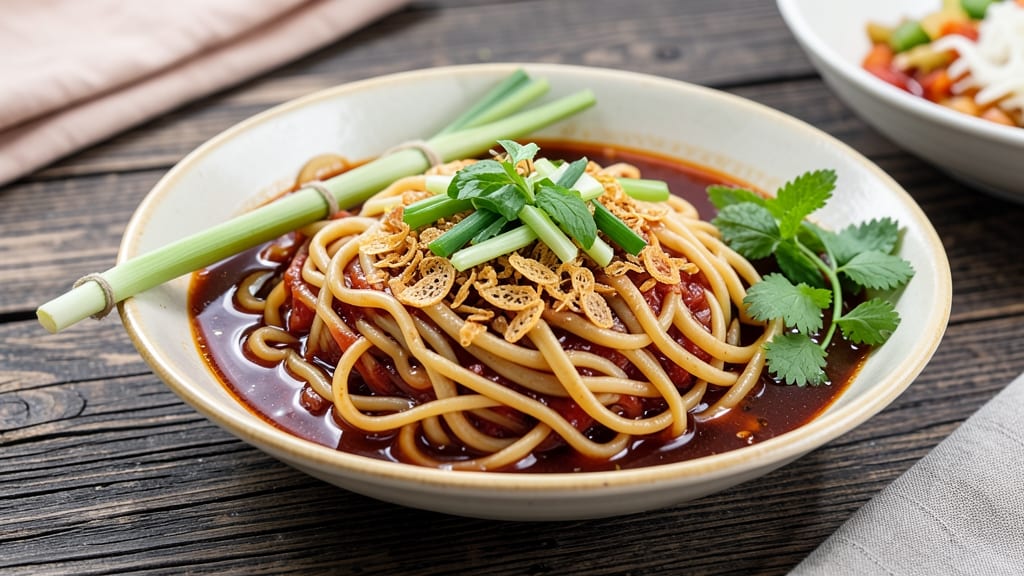
The fragrant aroma of lemongrass and chili oil transforms simple egg noodles into a dish that transports you straight to Hanoi’s bustling streets. 🌟 This Vietnamese egg noodles recipe delivers the perfect balance of tender homemade noodles, rich broth, and bold flavors—all made from scratch in your own kitchen.
The secret lies in the delicate dough, infused with egg and rice flour, and the aromatic broth that simmers with star anise, cinnamon, and fish sauce for depth.
What sets this recipe apart is the authenticity—hand-rolled noodles that are light yet sturdy, paired with a fragrant broth that’s both savory and subtly sweet. The dish comes together in stages, but each step builds on the last to create something truly special.
Whether you're serving it for breakfast, lunch, or dinner, this recipe captures the soul of Vietnamese street food with a touch of modern convenience.
You’ll end up with a bowl of noodles that’s as satisfying as it is aromatic—golden, springy strands floating in a fragrant broth, topped with fresh herbs, grilled pork, and a drizzle of chili oil.
The flavors are complex yet harmonious, with the bright citrus of lemongrass cutting through the richness of the broth. This dish isn’t just about the noodles; it’s about the experience of bringing a taste of Vietnam to your table.
Perfect for weeknight dinners or weekend gatherings, this recipe scales beautifully and pairs well with traditional sides like pickled vegetables or fresh spring rolls. The best part? You can adapt it to your preferences—vegetarian, spicier, or lighter—without losing its authentic essence. Let’s get started on creating this fragrant, comforting dish.
Ingredients for vietnamese egg noodles
Golden strands, fragrant broth, and bold flavors—here’s what makes this Vietnamese egg noodle dish shine.
| Ingredient | Amount | Notes |
|---|---|---|
| Large Eggs 🥚 | 4 whole | Cold for easier separation |
| All-Purpose Flour 🌾 | 1 ½ cups | For delicate noodle dough |
| Rice Flour 🌾 | ½ cup | Fine grind for smooth texture |
| Water 💧 | ¾ cup | Room temperature preferred |
| Vegetable Oil 🫒 | 1 tbsp | For dusting noodles |
| Fresh Lemongrass 🌿 | 1 stalk | Tender inner parts only |
| Garlic Cloves 🧄 | 6 cloves | Minced for aromatic broth |
| Star Anise Pods 🌟 | 2 whole | Lightly crushed for flavor |
| Cinnamon Sticks 🌳 | 2 whole | For depth of flavor |
| Fish Sauce 🍶 | 2 tbsp | Red Boat preferred |
| Sugar 🍯 | 1 tbsp | Balances savory flavors |
| Chicken Broth 🍲 | 4 cups | Homemade or quality store-bought |
| Fresh Chili Oil 🌶️ | ¼ cup | Store-bought or homemade |
| Fresh Thai Basil 🌿 | ½ cup | Torn for garnish |
| Green Onions 🧅 | ¼ cup | Sliced for garnish |
The noodles are the heart of this dish, so freshness matters. For the dough, King Arthur flour gives the best texture, but any all-purpose works. Lemongrass is a game-changer—look for bright green, firm stalks at Asian markets or the produce section. If you can’t find Thai basil, regular basil works in a pinch, but it won’t have that same anise-like kick. The fish sauce? Red Boat is the gold standard, but any reputable brand will do. For the broth, homemade is ideal, but Swanson or Pacific Foods are solid shortcuts.
No lemongrass? Lime zest plus a splash of lime juice adds a similar brightness. Swapping fish sauce? Soy sauce plus a dash of sugar mimics the umami, but you’ll lose that depth. Short on Thai basil? Cilantro or Italian parsley can stand in, though the flavor won’t be identical. The chili oil can be store-bought (check the Asian aisle), but if you’re feeling adventurous, toasted chili flakes in neutral oil work too. For the noodles, if you’re short on time, fresh egg noodles from the grocery store cut corners—just don’t expect that handmade texture.
Fresh herbs like Thai basil and green onions wilt fast, so store them in damp paper towels in a sealed container for up to 3 days. The chili oil keeps for 1 month in the fridge, so make extra—it’s perfect for drizzling on soups or dumplings. Leftover broth? Freeze it in ice cube trays for quick future use. And those noodles? Reheat gently in broth to keep them tender—microwaving turns them rubbery.
Why You'll Love This Recipe
- No-Fuss Dough: I swear, this dough comes together faster than ordering takeout. Just eggs, flour, and a splash of water—no kneading, no waiting, just mix and roll. The rice flour gives it that perfect chewy bite without the fuss.
- Umami Bomb: That crispy, golden edge? Pure magic. The oil keeps them from sticking while the egg-rich dough delivers a satisfying snap. Honestly, I’ve made store-bought noodles since, but nothing beats the homemade texture.
- Leftover Hero: These noodles reheat like a dream—no soggy mess, just warm and ready. I’ll make a big batch on Sunday, freeze half, and pull them out for quick stir-fries or soups all week. Zero waste, maximum convenience.
- Budget Stretch: Five ingredients, big flavor. Eggs and flour are pantry staples, and a little oil goes a long way. Between us, I’ve fed four people for under $5 with this recipe—plus, the leftovers stretch even further.
Step-by-step instructions for Vietnamese egg noodles
Here's how to make silky egg noodles with fragrant broth that'll transport you to Hanoi.
👨🍳 Step 1: Make the Noodle Dough
Separate the yolks from the whites of the 4 whole Large Eggs—keep yolks at room temperature and refrigerate the whites until ready. In a large bowl, whisk together the yolks with the 1.5 cups All-Purpose Flour and 0.5 cup Rice Flour until smooth. Gradually add the 0.75 cup Water while mixing until a soft dough forms.
Turn the dough onto a lightly floured surface and knead for 5-7 minutes until smooth and elastic. Wrap tightly in plastic wrap and rest for 30 minutes—this relaxes the gluten for perfect noodles. Here's the thing: don't skip resting, or your noodles will tear when rolling.
🍳 Step 2: Roll and Cut the Noodles
Set up your rolling station with a pasta machine. Roll the rested dough through progressively thinner settings, starting at the widest, until you reach the thinnest setting. If your machine doesn't have thin enough settings, fold the dough in thirds and roll again.
Cut the rolled dough into 1/8-inch wide strips using a sharp knife or pasta cutter. Toss immediately with 1 tbsp Vegetable Oil to prevent sticking. Here's the trick: work quickly but carefully—these noodles should be delicate yet sturdy enough to hold their shape in the broth.
🔥 Step 3: Infuse the Broth
In a large pot, combine the 4 cups Chicken Broth, 1 tbsp Sugar, 2 tbsp Fish Sauce, 6 cloves Garlic Cloves (minced), 2 whole Star Anise Pods (lightly crushed), and 2 whole Cinnamon Sticks. Bring to a gentle simmer over medium heat for 10 minutes to infuse flavors.
Add the tender inner parts of the 1 stalk Fresh Lemongrass (cut into 2-inch pieces) and simmer for another 5 minutes. You'll know it's ready when the broth smells aromatic and slightly sweet—like a Vietnamese street food stall. Strain out the solids before adding noodles.
🥘 Step 4: Cook the Noodles
Bring a separate pot of water to a boil and cook the noodles for 1-2 minutes until just tender. Drain immediately and rinse briefly with cold water to stop cooking. Divide the noodles among bowls and ladle the hot broth over them until just covered.
Let the noodles soak for 30 seconds—this ensures they absorb the broth's flavors without becoming mushy. Here's where it gets fun: top each bowl with 0.25 cup Fresh Chili Oil, 0.5 cup Fresh Thai Basil, and 0.25 cup Green Onions (sliced). The chili oil should glisten on top like a golden blanket.
🍽️ Step 5: Serve Immediately
Stir gently to combine, then serve right away while the broth is steaming hot. Each bowl should have tender noodles floating in fragrant broth, with vibrant green basil and red chili oil peeking through. The aroma alone will make your kitchen smell like a bustling Hanoi street market.
Pro tip: For extra richness, reserve some noodle water and add it to the broth if needed—just enough to loosen the sauce slightly. The perfect bowl should be silky, aromatic, and packed with layers of flavor in every bite. Enjoy with extra basil and chili oil on the side!
Pro Tips For Making Vietnamese Egg Noodles
- Rest the Dough: After mixing your egg, flour, and rice flour dough, let it sit covered for 30 minutes before rolling. I learned this the hard way—skipping it makes the noodles stickier and harder to cut cleanly, especially when using the rice flour blend.
- Use Cold Water: Chill your water to room temp (not ice cold) when making the dough, but don’t overdo it. Too cold water tightens the gluten, and you’ll end up with chewy noodles instead of that signature silky bite.
- Roll Thin, Roll Even: Aim for a 1/16-inch thickness—thinner than you think. Use a pasta machine or rolling pin with steady pressure, and stack the sheets with parchment between them to prevent sticking. Uneven thickness = uneven cooking.
- Boil in Small Batches: Drop noodles into boiling water in batches of 1/4 cup max. Crowding lowers the temp, and you’ll end up with mushy noodles. Stir once, then let them float freely—no need to overwork them.
Common mistakes when making perfect results
Over-Kneading the Dough
I’ve made this mistake more times than I’d admit—kneading the dough for too long makes it tough and chewy instead of tender. Vietnamese egg noodles should be delicate, almost silky.
Knead just until smooth (5-7 minutes max), then rest the dough. Overworking it develops too much gluten, and your noodles will turn out rubbery. 💫
Skipping the Rest
The 30-minute rest is non-negotiable. I learned this the hard way—skipping it means the dough resists rolling and tears when cut. The rest relaxes the gluten, making it easier to roll thin and even.
If you’re short on time, at least let it rest 15 minutes—it makes a noticeable difference.
Boiling Noodles Too Long
These noodles cook in 1-2 minutes, not the 3-5 minutes you might use for pasta. Overcooking turns them mushy and loses that perfect al dente texture. Test one strip—it should be tender but still slightly firm. Rinse with cold water immediately after draining to stop cooking.
Using Low-Quality Broth
Store-bought chicken broth can work in a pinch, but homemade makes all the difference. The broth is the soul of the dish, and weak or salty broth ruins everything. If using store-bought, choose brands like Swanson Chicken Broth or Pacific Foods—they’re the closest to homemade.
For extra depth, add a splash of fish sauce or a pinch of sugar to balance flavors.
Overcrowding the Pot
Cooking too many noodles at once causes them to stick together and cook unevenly. Divide them into batches if needed—your pot should only hold ½ inch of noodles at a time. Stir gently with a chopstick or spatula to prevent clumping. This ensures every strand cooks evenly and stays tender.
Neglecting the Broth Infusion
Rushing the 10-15 minute broth infusion means missing out on the aromatic depth. Star anise, cinnamon, and lemongrass need time to release their flavors. Simmer gently—boiling too hard can make the broth bitter.
Strain out the solids before adding noodles to avoid a gritty texture. Trust me, the extra 5 minutes of simmering is worth it. 🌿
Nutrition facts
Frequently asked questions
Can I substitute rice flour with another flour?
You can replace ½ cup rice flour with ½ cup all-purpose flour, but the texture will be slightly less delicate. For a closer match, use ½ cup cornstarch—it keeps the noodles tender. The rice flour adds a subtle chewiness that’s traditional, but the dish will still taste great.
How do I make this vegetarian?
Swap the chicken broth for vegetable broth and replace fish sauce with soy sauce + 1 tsp sugar to mimic umami. Use tofu or mushrooms instead of grilled pork, and add extra herbs like bean sprouts or water spinach. The noodles and broth flavors stay authentic!
Can I make the noodles ahead of time?
Yes! Dry the cut noodles thoroughly on a floured surface for 1-2 hours, then store in an airtight container for up to 1 week. Rehydrate in hot broth for 2-3 minutes before serving. For fresh noodles, refrigerate the uncut dough (wrapped tightly) for 24 hours—rest it again at room temp before rolling.
What’s the best way to store leftover broth?
Cool the broth completely, then transfer to airtight containers or ice cube trays. It keeps in the fridge for 4 days or freezes for 3 months. For best flavor, thaw overnight in the fridge—never at room temperature. Reheat gently to avoid breaking down the aromatics.
Can I use dried egg noodles instead of homemade?
For convenience, use fresh egg noodles from the Asian market (like bánh phở) or rice vermicelli as a substitute. Cook them 1 minute less than package instructions—they’ll finish cooking in the hot broth. The homemade version has a superior texture, but store-bought works in a pinch.