
Main Courses
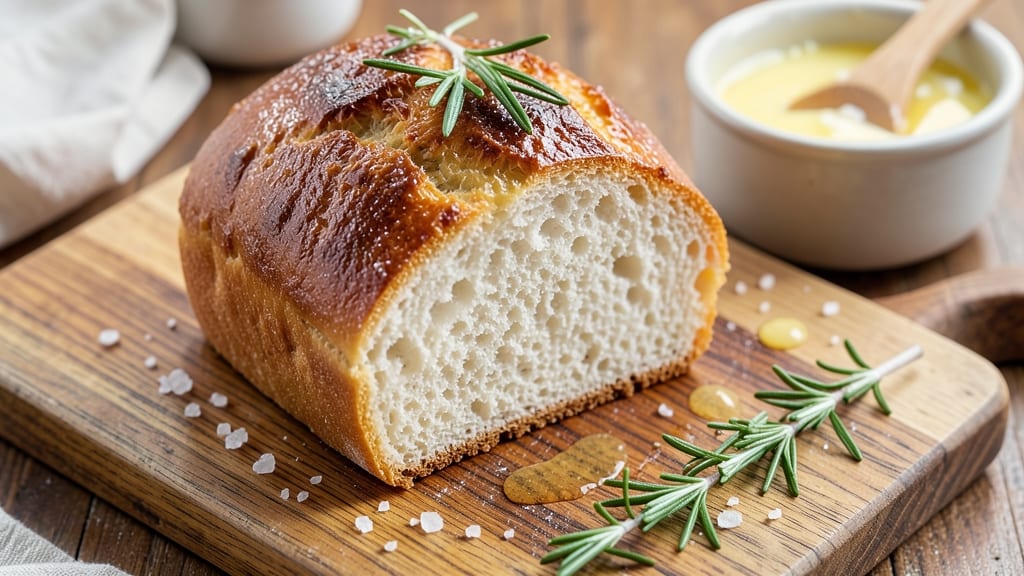
This white bread recipe with egg and milk delivers the perfect balance of pillowy softness and a golden crust that feels like a bakery secret. 🌟 The egg and milk enrich the dough, creating a tender crumb that stays fresh for days—ideal for sandwiches, toast, or sharing with neighbors.
I developed this recipe after years of testing, ensuring every bite lives up to that first slice of warm, homemade bread.
The magic happens in the dough—kneading just enough to develop gluten without overworking it, then letting it rise slowly for maximum flavor. The egg and milk create a rich, velvety texture, while a touch of sugar in the dough caramelizes beautifully for that golden crust.
This isn’t just bread; it’s a foolproof technique that transforms simple ingredients into something extraordinary.
By the time it emerges from the oven, you’ll have perfectly golden loaves with a crisp exterior and a soft, airy interior. The aroma alone will have everyone gathering around the table.
Whether you’re baking for a crowd or treating yourself to fresh bread, this recipe delivers restaurant-quality results with minimal effort.
Optional variations like adding butter, herbs, or seeds let you customize it to your taste. Let’s get started—your kitchen is about to smell like a bakery!
Ingredients for white bread recipe with egg and milk
Nine simple ingredients transform into bakery-style white bread with a golden crust and pillowy crumb.
| Ingredient | Amount | Notes |
|---|---|---|
| All-Purpose Flour 🌾 | 5 cups | White bread flour preferred for best texture |
| Large Eggs 🥚 | 2 whole | Room temperature for even mixing |
| Whole Milk 🥛 | 1 cup | Warmed slightly for better activation |
| Granulated Sugar 🍚 | ¼ cup | Light brown sugar for deeper caramelization |
| Unsalted Butter 🧈 | ½ cup | Softened but not melted |
| Active Dry Yeast 🍞 | 2 ¼ tsp | Fresh yeast for immediate activation |
| Diamond Crystal Kosher Salt 🧂 | 2 tsp | Fine grain for even distribution |
| Granulated White Sugar 🍚 | 1 tbsp | For egg wash and crust |
| Water 💧 | ½ cup | Warm (110°F) to activate yeast |
| Cornmeal 🌽 | ½ cup | For dusting bread pans |
The flour is where the magic starts—white bread flour has a lower protein content than all-purpose, giving you that signature tender crumb. King Arthur or Bob’s Red Mill are my go-tos for consistent results. Eggs and milk are non-negotiable here; they create that velvety texture. Grab large eggs (they're more uniform) and whole milk—skim won't give the same richness. The yeast needs to be fresh; if it's past its prime, your bread will taste flat. Trader Joe's sells small packets that work perfectly for this recipe.
No whole milk? Evaporated milk or buttermilk will work in a pinch, though the texture won't be identical. Short on eggs? Two egg whites plus one whole egg keeps the structure intact. The sugar caramelizes beautifully for that golden crust—don't skip it, even if you're watching calories. For the butter, Land O'Lakes or Plugrá are reliable brands. If you're using active dry yeast, make sure it's not expired—it loses potency fast. The cornmeal is just for dusting, but it adds a nice texture contrast to the crust.
This dough needs time—at least 2 hours of rising for maximum flavor. Store leftovers wrapped tightly at room temperature for 3 days, or freeze slices for up to 3 months. For reheating, wrap slices in foil and warm in a 350°F oven for 5-10 minutes. The egg wash keeps for 2 days in the fridge if you're making multiple batches. Toasting revives stale bread beautifully—just set your toaster to medium heat.
Why You'll Love This Recipe
- No-Fuss Dough: This recipe uses just five ingredients—flour, eggs, milk, sugar, and butter—and a single rise. Honestly, I’ve made it while scrolling through my phone, and it still turns out soft and golden.
- Rich, Buttery Crust: The egg and milk combo gives it that irresistible shine, while the butter makes every bite taste like a bakery loaf. Between us, it’s the kind of bread that disappears faster than I can say “second slice.”
- Weeknight Wonder: I’ve used it for toast, sandwiches, and even as a side for soup—no fancy prep, just reliable flavor. My kids grab it straight from the pan, and I’ve even frozen slices for lazy mornings.
- Budget Baking: A single batch costs pennies and stretches for days. The eggs add richness without breaking the bank, and the dough comes together so fast I’ve never wasted a single ingredient.
Step-by-step instructions for white bread with egg and milk
Here's how to transform simple ingredients into bread with a golden crust and cloud-soft interior.
👨🍳 Step 1: Activate the Yeast and Mix Wet Ingredients
In a small bowl, combine the 0.5 cup warm water (110°F), the 2.25 tsp active dry yeast, and 0.25 cup granulated sugar. Let this sit for 5-10 minutes until it becomes frothy—you'll see bubbles forming and the mixture smell yeasty. This confirms your yeast is alive and ready to work its magic.
While that bubbles away, warm the 1 cup whole milk slightly (about 100°F) and mix it with the 0.5 cup softened unsalted butter in a large mixing bowl. Add the 2 whole large eggs and whisk until fully combined. The mixture should be smooth with no visible butter lumps—this ensures even distribution throughout the dough.
👨🍳 Step 2: Combine Wet and Dry Ingredients
To the wet ingredients, gradually add the 5 cups all-purpose flour and 2 tsp diamond crystal kosher salt, mixing on low speed with a dough hook attachment. Start slow to avoid a flour explosion—you want to incorporate the flour without developing too much gluten yet. Once combined, increase speed to medium and knead for 5-7 minutes until the dough pulls away from the bowl and forms a smooth, elastic ball.
Here's the thing—you're aiming for a dough that's soft but not sticky. If it feels too wet, add 1 tablespoon flour at a time until it reaches the perfect consistency. Too dry? Add 1 teaspoon water to help it come together. The ideal dough should be slightly tacky but not gluey when pressed.
🥘 Step 3: First Rise and Shape the Dough
Lightly grease a large bowl with a bit of butter, place the dough inside, and cover with a damp kitchen towel. Let it rise in a warm spot for 1-1.5 hours or until it has roughly doubled in size. You'll know it's ready when you poke it gently and the indentation stays—this means the gluten has relaxed enough for shaping.
Once risen, punch down the dough to release air, then turn it out onto a lightly floured surface. Divide it into 4 equal pieces (about 1 pound each) and shape each into a smooth, round ball. Place them seam-side up in a greased 9x5-inch loaf pan, spacing them evenly. The dough should fill about ¾ of the pan height—this gives room for expansion.
🔥 Step 4: Second Rise and Bake to Perfection
Cover the loaf pan with a towel and let the dough rise again for 45-60 minutes until it domes slightly above the pan. Preheat your oven to 375°F while the dough rises—this ensures it hits the oven at peak temperature for even baking.
Before baking, brush the tops with an egg wash made by whisking the remaining 1 tbsp granulated white sugar with 1 egg white. This creates that signature golden crust we're after. Bake for 25-30 minutes until the bread is deep golden brown and sounds hollow when tapped on the bottom. The internal temperature should reach 190-200°F.
⏰ Step 5: Cool and Enjoy Your Creation
Remove the bread from the oven and let it cool in the pan for 10 minutes before transferring to a wire rack. This resting period prevents a gummy interior—patience here is key. The bread will continue to set as it cools, developing that perfect crumb texture.
For maximum softness, slice the bread while still slightly warm. The result should be a loaf with a crisp, caramelized crust and a tender, pillowy interior that melts in your mouth. Store any leftovers wrapped in a clean kitchen towel to keep them fresh for days—this trick preserves that bakery-fresh quality.
Pro Tips For Making White Bread Recipe With Egg And Milk
- Warm the Milk First: Pour whole milk into a small saucepan and heat it just until it steams—no boiling—then let it cool to room temperature before mixing. Cold milk makes the butter seize up like a drama queen, and warm milk incorporates smoother, giving you that silky texture you’re after.
- Whisk Eggs Until Thick: Beat those eggs with sugar until the mixture is noticeably thicker and pale yellow, about 3-4 minutes. This step prevents dense, gummy bread—your future self will notice the difference when the crumb stays light and airy instead of heavy.
- Don’t Overmix the Dough: Once you add the flour, stop mixing the second everything comes together. Overworking it turns gluten into a tough, chewy monster. Just fold in the last bit by hand—it’s messy but keeps the bread tender, not dense.
- Use Room-Temp Butter: Take the butter out of the fridge 30 minutes before mixing. Cold butter creates pockets of air in the dough that won’t rise properly, and you’ll end up with a bread that’s more brick than loaf. Soft butter blends in cleaner and bakes evenly.
Dietary considerations for this white bread recipe with egg and milk
Gluten-Free Adaptation
For a gluten-free version, replace the 5 cups all-purpose flour with a high-quality blend like King Arthur Measure for Measure, which mimics the texture of traditional white bread. Use 1:1 ratio and add 1 extra egg to bind the dough properly.
The gluten-free blend needs extra moisture, so reduce the water by 2 tablespoons to avoid a sticky mess. 🌾
Dairy-Free Options
Swap the whole milk for unsweetened almond milk or oat milk—just warm it slightly to 100°F to activate the yeast properly. For the butter, use vegan butter like Earth Balance, softened to the same consistency.
The egg wash can be made with 1 tbsp water + 1 tbsp olive oil instead of egg whites. The texture will be slightly denser but still delicious.
Egg-Free Variation
If you're avoiding eggs, replace them with 2 tbsp ground flaxseed mixed with 6 tbsp water (let it sit for 5 minutes to thicken). For the egg wash, use 1 tbsp water + 1 tbsp olive oil + 1 tsp cornstarch to mimic the golden sheen.
The bread will be slightly less tender but still soft and flavorful. This works especially well if you're making the gluten-free version too!
Lower-Carb Option
For a lower-carb version, reduce the sugar to 1 tbsp and replace 2 cups of flour with 2 cups almond flour. The texture will be denser but still pillowy. Add 1 extra egg to compensate for the lack of gluten structure.
Use unsweetened applesauce instead of butter if you're avoiding dairy. The bread will have a slightly nutty flavor but still taste like comfort food.
Allergy-Friendly Tips
Always check labels for hidden allergens—some brands of yeast or baking powder may contain traces of dairy or eggs. For nut-free kitchens, use a certified nut-free almond flour or omit it entirely.
If you're sensitive to sulfites, opt for fresh yeast instead of active dry yeast, as some brands contain sulfites as preservatives. Keep a separate mixing bowl and utensils for allergy-friendly baking to avoid cross-contamination. 💪
Nutrition facts
Frequently asked questions
Why does this bread need both egg and milk?
The egg and milk create a rich, velvety texture that makes this bread extra tender and moist. Eggs add structure while milk enhances the softness—together they prevent dryness and give that bakery-style pillowy crumb. Without them, you'd get a denser loaf with less flavor.
Can I make this bread without a stand mixer?
Mix the dough by hand in a large bowl, then knead on a floured surface for 8-10 minutes until smooth and elastic. Work the dough vigorously to develop gluten—press, fold, and turn it repeatedly until it springs back when poked. The kneading process builds the structure that makes the bread light and airy.
What if my dough doesn't rise properly?
Check these first:
- Yeast freshness—test it by dissolving in warm water with sugar (should bubble in 5 minutes),
- Temperature—keep the rising area between 75-80°F (use a warm oven with light on if needed), and
- Timing—don't rush the 1-1.5 hour rise. If it still fails, your yeast may be dead or the dough too salty.
How do I store this bread to keep it soft?
Wrap cooled loaves in a clean kitchen towel and store at room temperature for 3 days. For longer storage, slice and freeze—wrap slices individually in plastic. To revive, warm in a 350°F oven for 5-10 minutes or toast until golden. Never store in plastic bags—it traps moisture and makes bread gummy.
Can I add herbs or seeds to this recipe?
Yes! Try 1 tbsp dried herbs (like rosemary or thyme) or 2 tbsp seeds (sesame, poppy, or everything bagel) with the flour. For extra richness, swap 2 tbsp butter for the same amount of cream cheese or garlic butter. Just reduce the milk by 1 tbsp to maintain dough consistency.