
Desserts
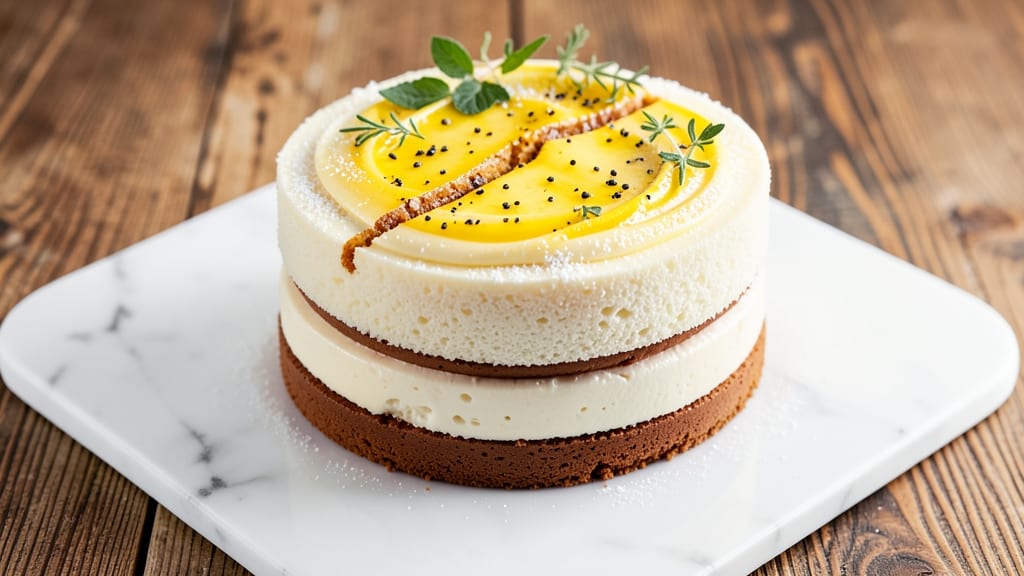
This 3-egg vanilla cake recipe delivers the perfect balance of moist layers and rich vanilla flavor without a single crack in sight. The secret lies in precise ingredient ratios and a gentle baking approach that preserves tenderness—no dry crumbs here.
After years of perfecting this recipe, I've finally cracked the code for consistently fluffy, melt-in-your-mouth texture that bakes up golden and stays fresh for days.
What sets this vanilla cake apart is the vanilla bean infusion, which transforms ordinary cake into something extraordinary. The recipe uses three large eggs for structure without heaviness, and the butter-cream mixture creates that signature velvety crumb.
Unlike many recipes that result in dense or dry cake, this method ensures every slice stays moist for hours, making it ideal for special occasions or impromptu celebrations.
The baking process is straightforward but requires attention to detail—preheating the oven to 350°F and baking for 25-30 minutes ensures even cooking. A simple syrup glaze (optional) adds extra moisture and shine, while a dusting of powdered sugar elevates the presentation.
Whether you're baking for a birthday or just craving a slice of comfort, this cake delivers restaurant-quality results at home.
Troubleshooting is built into the method: proper mixing prevents cracks, and the right flour-to-butter ratio guarantees a tender crumb. The recipe scales easily for larger batches, and leftovers reheat beautifully in the microwave. Here's how to achieve the perfect vanilla cake every time.
Ingredients for 3 egg vanilla cake
Twelve ingredients transform into a restaurant-quality vanilla cake with signature moist layers and vanilla bean infusion.
| Ingredient | Amount | Notes |
|---|---|---|
| Large Eggs 🥚 | 3 whole | Room temperature for even baking |
| Unsalted Butter 🧈 | 1 cup | Cold, cubed for proper creaming |
| Granulated Sugar 🍚 | 1 ½ cups | Superfine preferred for smoother texture |
| All-Purpose Flour 🌾 | 2 cups | Sifted for lightness, spooned lightly |
| Vanilla Bean 🌿 | 1 whole | Seeds scraped for infusion |
| Pure Vanilla Extract 🍯 | 1 tbsp | Imitation-free for authentic flavor |
| Baking Powder 🧂 | 1 ½ tsp | Aluminum-free for consistent rise |
| Salt 🧂 | ½ tsp | Fine sea salt for balance |
| Whole Milk 🥛 | ½ cup | Room temperature for proper mixing |
| Powdered Sugar 🍚 | ½ cup | For optional glaze |
| Heavy Cream 🥛 | ¼ cup | For optional glaze |
| Vanilla Bean Seeds 🌿 | 2 tsp | From scraped vanilla bean |
The vanilla bean is non-negotiable for authentic flavor. Madagascar Bourbon vanilla from specialty stores like Williams Sonoma delivers the richest infusion, but any high-quality vanilla bean works. Scrape the seeds carefully—every drop of vanilla paste contains concentrated flavor. For the butter, Plugrá or Land O'Lakes unsalted are reliable choices, but any brand with high fat content (80%+) ensures proper creaming. The eggs must be large and at room temperature; cold eggs create air pockets that disrupt the batter's consistency. Store vanilla beans in a cool, dark place—they last for years if sealed properly.
No vanilla bean? Double the vanilla extract and add a pinch of ground vanilla bean pods if available, but the infusion is truly irreplaceable. Substitute superfine sugar with granulated by pulsing it in a food processor for 30 seconds. For a dairy-free option, replace milk and cream with oat milk and coconut cream, though texture may vary slightly. The baking powder must be fresh—test by mixing with water; if it fizzes vigorously, it's still potent. If your cake turns out slightly dry, the glaze (powdered sugar + cream) will restore moisture. For a nutty depth, fold in 1 tbsp toasted almond flour with the dry ingredients.
Store the baked cake in an airtight container at room temperature for 3 days, or refrigerate for up to 5 days—the glaze prevents drying. For longer storage, freeze slices wrapped in plastic for 3 months. Reheat slices in the microwave for 10 seconds to restore moisture. The glaze can be made ahead and stored in the fridge for 1 week, whisking before use. For a showstopper presentation, dust with powdered sugar and garnish with a few vanilla bean seeds.
Why You'll Love This Recipe
- Just Three Eggs: I swear, this recipe proves you don’t need a dozen eggs to make magic. Those three yolks and whites create the perfect tender crumb—no one will guess it’s not a traditional cake. Honestly, I’ve made it with just a whisk and a bowl, no mixer needed.
- Vanilla Bomb: That single vanilla bean? It’s the star. The rich, buttery flavor from the butter and sugar gets this cake singing—like a warm hug in dessert form. My husband always asks for seconds, and I’ll admit, I’ve been known to sneak bites while baking.
- Weekend or Weeknight: Need a cake for a birthday, potluck, or just because? This one’s your go-to. It bakes in under 40 minutes, so no one waits too long. I’ve even turned leftovers into trifle layers—zero waste, all flavor.
- Budget-Friendly Magic: Three eggs, a stick of butter, and basic pantry staples? This is cake without breaking the bank. Between us, I’ve made this for 10 people for under $15—no fancy ingredients, just pure satisfaction. The best part? It keeps well for days.
Step-by-step instructions for 3 egg vanilla cake
Mastering this vanilla cake recipe delivers tender layers with deep vanilla flavor—here's how to achieve perfect results every time.
Cream Butter and Sugar for Maximum Moisture
In a stand mixer fitted with the paddle attachment, beat the 1 cup unsalted butter (cold and cubed) with the 1.5 cups granulated sugar on medium speed for 3-4 minutes. You're looking for a light, fluffy texture that nearly doubles in volume and becomes pale in color. This creaming process incorporates air, which creates that signature tender crumb.
The butter should be cold so it doesn't melt too quickly during mixing. I press down on the butter cubes with a spatula every few seconds during the first minute to ensure even emulsification. Stop beating when the mixture looks like thick ribbon when the paddle is lifted—this ensures proper aeration for a light cake.
Infuse Vanilla and Combine Wet Ingredients
Add the 3 whole large eggs one at a time, mixing on low speed for 30 seconds after each addition. Then scrape the vanilla bean lengthwise to extract the seeds (about 2 teaspoons) and add them along with the 1 whole vanilla bean and 1 tablespoon pure vanilla extract. Mix on low speed until just combined—you want the vanilla seeds to infuse without overworking the batter.
In a separate bowl, whisk together the 2 cups all-purpose flour, 1.5 teaspoons baking powder, and 0.5 teaspoon salt. Sift the dry ingredients directly into the wet mixture while mixing on low speed. Add the 0.5 cup whole milk gradually, mixing just until the flour disappears. Overmixing develops gluten, which can make the cake dense instead of tender.
Bake in Prepared Pans for Even Rising
Preheat your oven to 350°F and grease two 8-inch round cake pans thoroughly with butter, then dust with flour. Divide the batter evenly between the pans. Bake for 25-30 minutes or until a toothpick inserted in the center comes out clean. The cake should spring back gently when pressed in the center.
Here's the thing about vanilla cakes—they're forgiving but timing matters. I like to check for doneness at the 25-minute mark because ovens vary. If the edges brown too quickly, tent the pans with foil. The internal temperature should reach 205-210°F when done. Let the cakes cool in the pans for 10 minutes before transferring to a wire rack to cool completely.
Prepare Optional Vanilla Glaze (If Desired)
While the cakes cool, combine the 0.5 cup powdered sugar, 0.25 cup heavy cream, and any remaining vanilla bean seeds in a bowl. Whisk until smooth and spreadable. This glaze adds a delicate sweetness that complements the cake's natural vanilla flavor without overpowering it.
For the best results, apply the glaze when the cakes are completely cool. Use a fork to drizzle the glaze over the top and sides, allowing some to pool on the plate. The glaze sets as it absorbs into the cake, creating a beautiful finish. If you prefer a more professional look, use an offset spatula to create smooth sides.
Pro Tips For Making 3 Egg Vanilla Cake
- WHISK EGGS ROOM TEMPERATURE: Cold eggs from the fridge won’t blend smoothly with the butter and sugar—you’ll end up with lumps that ruin the cake’s texture. Pop them in a bowl of warm water for 5 minutes first, then whisk. Trust me, your batter will be silky, not gritty.
- SCRAPE THE VANILLA BEAN: That little pod isn’t just for show—scrape out every last bit of seeds and scrape the sides of the pod too. The leftover vanilla paste on the bean adds depth of flavor. Toss the empty pod in the batter for good measure (yes, even the empty one).
- DON’T OVERMIX THE BATTER: As soon as the flour disappears, stop stirring. Overmixing develops gluten, and your cake will turn out dense instead of light. A few lumps are fine—just fold gently until combined. I’ve ruined cakes this way, and it’s a shame because the fix is so simple.
- USE ROOM-TEMP BUTTER: Cold butter creates pockets of fat that don’t emulsify properly, leading to a cake that’s dry or greasy. Let the butter sit out for 30-60 minutes until it’s soft but not melted—press your finger in, and it should leave a slight indent. This guarantees a tender crumb every time.
Troubleshooting this recipe
Cracked Cake Fix
If your cake develops cracks on top, it’s usually from overmixing or opening the oven too soon. To prevent this, mix the batter just until combined and avoid overfilling the pans.
If cracks appear, don’t panic—simply brush them with a simple syrup (equal parts sugar and water, heated until dissolved) before glazing. This adds moisture and makes cracks less noticeable. 💫
Dense Texture Solutions
A dense cake often means overmixing or using cold ingredients. Ensure your butter and eggs are at room temperature, and mix only until the flour disappears. If your cake turns out dense, try adding 1 extra tablespoon of milk to the batter next time.
For extra moisture, brush the cooled layers with a rum syrup (½ cup rum + ½ cup sugar + ½ cup water, simmered for 5 minutes).
Uneven Baking
Uneven baking usually happens when pans aren’t preheated or the oven isn’t calibrated. Rotate your pans halfway through baking and check for doneness at 25 minutes. If one side browns faster, tent it with foil.
For future bakes, preheat your oven for 15 minutes and use an oven thermometer to confirm it’s at 350°F. A dark-colored pan can also cause uneven browning—opt for light-colored or nonstick pans next time.
Dry Cake Prevention
Dry cake is often caused by overbaking or using too much flour. To fix this, bake until a toothpick comes out with a few moist crumbs (not wet batter). For extra moisture, add 1 tablespoon of sour cream or Greek yogurt to the batter.
If your cake is already dry, revive it by brushing with a vanilla syrup (equal parts sugar and water, simmered with vanilla bean seeds) before serving.
Sticky or Gummy Layers
Sticky layers usually mean the cake didn’t bake long enough or the batter was under-mixed. Ensure your cake reaches 205-210°F internal temperature before removing it from the oven. If the layers stick to the pan, use a thin knife to loosen them while warm.
For a quick fix, chill the cake for 30 minutes before frosting—this firms up the texture and makes slicing easier.
Soggy Bottoms
Soggy bottoms are often caused by overfilling pans or using too much butter. To prevent this, fill your pans only ⅔ full and ensure your oven rack is in the middle position. If your cake has soggy bottoms, slice off the affected layer and serve the rest.
For future bakes, consider using a water bath (placing the pans in a larger pan with 1 inch of hot water) to create a more even bake.
Nutrition facts
Frequently asked questions
Why does this recipe use three eggs instead of four?
Three eggs create a lighter, more tender cake without adding heaviness. The extra yolk from a fourth egg can make the texture denser, while three provide perfect structure and moisture. This ratio also helps prevent cracking while maintaining that signature fluffy crumb.
Can I substitute vanilla extract for the vanilla bean?
You can use 2 tablespoons of high-quality pure vanilla extract, but the flavor won't be as complex. For the best results, scrape seeds from 1 vanilla bean and add them to the batter along with the extract. The bean's natural oils infuse deeper flavor than extract alone.
How do I prevent my cake from drying out?
Bake until a toothpick comes out with a few moist crumbs, not wet batter. Store wrapped in plastic or an airtight container for 3 days at room temperature. For longer storage, freeze slices for 3 months. A simple syrup glaze also helps maintain moisture.
What size cake pans should I use?
This recipe is designed for two 8-inch round pans filled ⅔ full. Using larger pans (like 9-inch) will result in thinner layers that bake faster. If you only have one pan, bake for 35-40 minutes and check for doneness early.
Can I make this cake gluten-free?
Yes, but texture may change. Replace the 2 cups all-purpose flour with a 1:1 gluten-free baking flour blend (like Bob's Red Mill) plus ½ teaspoon xanthan gum. Add 1 extra tablespoon of milk to compensate for reduced gluten structure.