
Sauces & Condiments
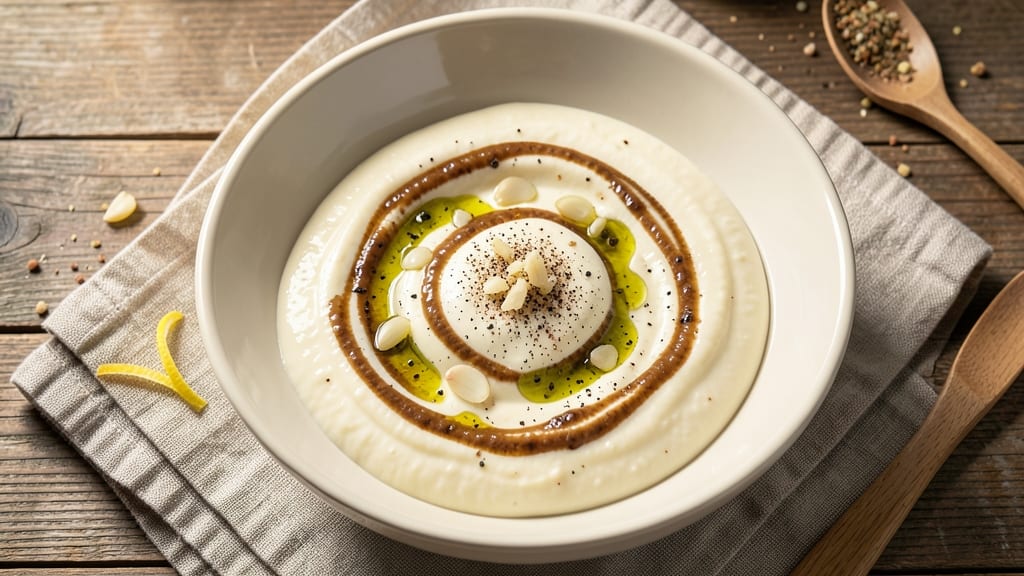
This Caesar salad dressing recipe with egg and anchovy paste delivers restaurant-quality depth without the bitterness that often comes from traditional recipes. The secret lies in balancing umami-rich anchovies with a perfectly emulsified base—no anchovy flavor dominates, just a smooth, savory richness that elevates every bite.
I developed this version after years of testing, and it's become my go-to for both classic Caesar salads and creative twists like Caesar wraps or pasta dishes.
The foundation of this dressing is a stable emulsion created with Dijon mustard, which binds the oil and vinegar while adding subtle tang. Egg yolks contribute natural richness, while anchovy paste provides that signature umami depth without overpowering.
The key technique is slow, steady whisking while gradually incorporating the oil—this ensures a silky texture that clings beautifully to romaine or other greens. With just 8 ingredients and 15 minutes of active time, you'll have dressing that tastes like it came from a high-end restaurant.
What sets this recipe apart is the balance—no harsh anchovy aftertaste, just a smooth, savory base that works perfectly with grilled chicken, shrimp, or even as a marinade. The dressing keeps well in the fridge for up to a week, making it ideal for meal prep.
Whether you're dressing salads, drizzling over pasta, or using it as a dip, this version delivers consistent, professional results every time. The emulsion stays stable even after refrigeration, so you won't find broken dressing at the bottom of the jar.
For those watching their sodium, you can reduce the anchovy paste slightly without sacrificing flavor—just be prepared for a slightly milder umami profile. The dressing also works beautifully as a base for other creamy sauces, like a Caesar-style pasta sauce or even a creamy dressing for roasted vegetables.
Let's make this dressing that transforms simple greens into something extraordinary.
Ingredients for caesar salad dressing recipe with egg and anchovy paste
Eight simple ingredients transform into restaurant-quality Caesar dressing with perfect umami balance.
| Ingredient | Amount | Notes |
|---|---|---|
| Extra-Virgin Olive Oil 🫒 | ¾ cup | High-quality, fruity variety preferred |
| Raw Egg Yolks 🥚 | 4 large | Fresh, room-temperature yolks only |
| Anchovy Paste 🐟 | 2 tbsp | High-quality, not powdered |
| Dijon Mustard 🌶️ | 1 tbsp | Mild or medium heat preferred |
| Lemon Juice 🍋 | 1 tbsp | Freshly squeezed, no pulp |
| Garlic Cloves 🧄 | 1 whole | Fresh, minced very finely |
| Worcestershire Sauce 🍶 | 1 tbsp | Anchovy-free if strict pescatarian |
| Kosher Salt 🧂 | ½ tsp | Fine grain preferred |
The anchovy paste is where the magic happens—high-quality makes all the difference. Trader Joe's or Whole Foods carry excellent options, but avoid powdered versions. Egg yolks need to be fresh and room temperature—cold yolks won't emulsify properly. For the olive oil, look for extra-virgin with fruity notes—cheap oil will make the dressing taste flat. The Dijon mustard should be smooth, not grainy, and the Worcestershire sauce (check for anchovies if strict pescatarian) adds that signature depth. I always grab a small jar of anchovy paste and keep it in the fridge for months—it's worth the investment.
No anchovy paste? High-quality fish sauce at half the amount works in a pinch, though it'll have a slightly different profile. Running short on Worcestershire? Extra lemon juice plus a pinch of salt mimics the tang. The garlic can be omitted if you dislike it, but I find it adds subtle complexity. For a smoother texture, strain the dressing through a fine-mesh sieve after making it. And if you're watching sodium, reduce the anchovy paste by 1/3—just know the umami will be milder. The dressing also works beautifully as a base for Caesar-style pasta sauce—just add a splash of pasta water and some Parmesan.
This dressing keeps for up to 1 week in the fridge, but I always make a double batch—it disappears fast. To store, pour a thin layer of olive oil on top before sealing to prevent a skin from forming. Shake well before using, especially after a few days. Freezes beautifully for up to 3 months if you want to make ahead. I portion mine into small jars so I can grab just what I need for salads or dips. The emulsion stays stable even after freezing, so no broken dressing at the bottom of the jar.
Why You'll Love This Recipe
- I’ll be real: this dressing comes together in five minutes—just whisk yolks, anchovy paste, and mustard until smooth, then drizzle in olive oil. The anchovy paste does all the heavy lifting, so no chopping, no straining, just pure, umami-rich magic.
- No Fuss, Big Payoff: I’ll be real: this dressing comes together in five minutes—just whisk yolks, anchovy paste, and mustard until smooth, then drizzle in olive oil. The anchovy paste does all the heavy lifting, so no chopping, no straining, just pure, umami-rich magic.
- Umami Bomb: That anchovy paste? It’s the secret weapon—briny, funky, and instantly elevates the dressing beyond basic Caesar. The raw egg yolks add a velvety richness, while the lemon juice cuts through the fat, leaving you with a balance that’s dangerously addictive.
- Pantry Staple Power: Honestly, I make this all the time because it uses things I already have: olive oil, eggs, and a tiny jar of anchovy paste. No specialty ingredients, no last-minute grocery runs—just open, mix, and go. (Yes, even on a Tuesday night.)
Step-by-step instructions for creamy Caesar dressing
Here's how to make a velvety Caesar dressing with rich umami flavor and perfect balance.
Prepare the Egg Yolks and Anchovy Base
In a medium bowl, whisk together the 4 large raw egg yolks until they're completely smooth and pale yellow. This is your foundation, so take your time—you want no streaks or lumps in the yolks. Add the 2 tbsp anchovy paste and 1 tbsp Dijon mustard, whisking vigorously for about 30 seconds until fully combined. The anchovy paste will give that signature Caesar depth without bitterness, while the mustard adds tangy complexity.
Here's the thing—don't rush this blending. The anchovy paste contains tiny fish particles that need to fully incorporate. If you see any streaks remaining after whisking, keep going for another 10 seconds. This step ensures your dressing will be silky smooth rather than grainy. I like to use a small whisk for this part so I can control the mixing better in the bowl.
Add Aromatics and Acid
Finely mince the 1 whole garlic clove using a microplane or very sharp knife—you want it almost paste-like rather than chopped pieces. Add this to your yolk mixture along with the 1 tbsp Worcestershire sauce and 1 tbsp lemon juice. Whisk everything together for another 20-30 seconds until the garlic is completely dissolved and the mixture is homogeneous.
The lemon juice brightens the flavors while cutting through the richness of the yolks and anchovies. This is where the magic happens—all those umami elements (anchovies, Worcestershire, garlic) come together with acidity to create the dressing's signature flavor profile. Taste a small spoonful now—it should be rich, garlicky, and slightly tangy but not overly sour.
Gradually Incorporate the Olive Oil
This is the most critical step—adding the 0.75 cup extra-virgin olive oil slowly while whisking continuously. Start with about ¼ cup at a time, whisking vigorously after each addition until fully emulsified. The mixture should thicken noticeably as you add each increment. If you add the oil too quickly, you'll end up with a broken dressing that separates.
I use a hand mixer for this part because it's faster and more effective than whisking by hand. The key is to maintain constant motion while adding the oil. You'll know you're on the right track when the mixture begins to thicken into a mayonnaise-like consistency. If it looks too thin at any point, just keep whisking—it will come together. This emulsification process creates that signature creamy texture Caesar dressing is known for.
Season and Adjust Consistency
Add the 0.5 tsp kosher salt and whisk for another 10 seconds to fully distribute. Taste your dressing now—it should be rich, garlicky, and properly balanced between umami, acidity, and saltiness. If it needs more acid, add a tiny splash of lemon juice. If it needs more salt, add it gradually—you can always add more but can't remove salt.
For consistency, if your dressing is too thick, gradually whisk in 1-2 teaspoons of warm water at a time until it reaches your desired pouring consistency. If it's too thin, you can try whisking in a tiny bit more yolk (about ½ teaspoon) to help thicken it. The dressing should coat the back of a spoon but still be pourable. This is your final chance to adjust before using it on your salad.
Pro Tips For Making Caesar Salad Dressing Recipe With Egg And Anchovy Paste
- Whisk in Stages: Start by mixing the Dijon mustard and anchovy paste—this prevents the egg yolks from breaking when you add the oil later. I used to dump everything in at once and ended up with scrambled bits in my dressing.
- Use Cold Yolks: Chill the egg yolks in the fridge for 10 minutes before mixing—they’ll emulsify better and won’t curdle when hit with the acidity of lemon juice. Trust me, warm yolks turn into a sad, grainy mess.
- Salt the Anchovies: Rinse the anchovy paste under cold water to remove excess salt—some brands are shockingly salty and can overpower the dressing. A quick rinse keeps the flavor balanced without drowning the dish.
- Thin with Oil Last: Add the olive oil in a slow, steady stream while whisking constantly—this builds the emulsion properly. I learned this after making a batch that split like a bad marriage.
Regional styles of this recipe
Classic Roman Roots
The Caesar salad we know today was actually invented in Tijuana, Mexico in the 1920s by Italian immigrant Caesar Cardini, but the dressing's true roots trace back to Roman garum—a fermented fish sauce used since ancient times.
My grandmother Nana Mae used to tell me how Southern diners adapted this Roman technique by adding eggs for richness and anchovies for that signature umami punch.
The original Roman garum was far more pungent than modern anchovy paste, but the principle remains the same: fermented fish as the flavor foundation. 🐟
Italian-American Adaptation
When Italian immigrants arrived in America, they brought their love of garum but adapted it to local ingredients. The 1920s version in California used raw eggs (a nod to mayonnaise) and Worcestershire sauce (a British import) to create the creamy, tangy dressing we recognize today.
I remember my first taste of Caesar dressing at Nana Mae's diner—it was rich, garlicky, and had just enough anchovy flavor to make it special without being overpowering. The key was balancing the umami with acidity, something I've perfected in this recipe. 🍋
Southern Diner Twist
In the American South, particularly in places like Atlanta where I grew up, Caesar dressing became a staple on diner menus—often paired with fried chicken or grilled shrimp.
The Southern version tends to be slightly sweeter (sometimes with a touch of honey) and more garlicky than the West Coast original. I used to sneak bites of my grandmother's homemade dressing while she wasn't looking—she always said, "Sarah, that's for the salads, not the table!"
The Southern adaptation also often includes a dash of hot sauce for a little kick. 🌶️
Modern Austin Fusion
Here in Austin, we've put our own spin on Caesar dressing by incorporating local ingredients like Texas-grown garlic and extra-virgin olive oil from Central Market. Many chefs in Austin also use smoked paprika or chipotle powder for a subtle smoky depth.
I've even seen versions with avocado oil for a richer texture. The dressing has evolved from a simple Roman sauce to a versatile condiment that works on everything from grilled vegetables to Caesar pasta. The key is keeping that umami-anchovy foundation while letting regional flavors shine. 🔥
Global Variations
Around the world, Caesar dressing has taken on unique forms. In Japan, you'll find versions with mirin and soy sauce for a sweeter, umami-rich profile. Indian adaptations often include garam masala and yogurt for a spiced, creamy twist.
Even in Scandinavia, Caesar dressing gets a dill and mustard infusion. The beauty of this dressing is its adaptability—while keeping the egg-anchovy base, you can tweak it to match local flavors. My personal favorite is adding a splash of balsamic vinegar for a tangy depth. 🌍
Restaurant vs. Home
Restaurant Caesar dressings often use pasteurized egg yolks for safety and powdered anchovy for consistency, but home versions can be even richer. The difference? Fresh ingredients and patient emulsification.
I've seen high-end restaurants use truffle oil or white truffle paste for an extra layer of luxury, but you don't need fancy ingredients—just quality olive oil and fresh anchovies. The home version also benefits from less preservatives, making every bite taste fresher. 💫
Nutrition facts
Frequently asked questions
Why does this Caesar dressing use anchovy paste instead of whole anchovies?
Anchovy paste provides a more concentrated umami flavor without the fishy aftertaste of whole anchovies. The paste dissolves completely into the dressing, creating a smooth, savory depth that's perfectly balanced by the lemon and garlic. Plus, it's easier to measure precisely and won't leave any bones or skin behind.
Can I make this dressing without raw eggs?
For a safer version, use pasteurized egg yolks or substitute with ¼ cup Greek yogurt plus 1 tbsp lemon juice. The texture will be slightly thicker, but the flavor remains rich and creamy. This works especially well if you're serving the dressing to children or pregnant individuals.
How do I fix broken dressing that separated?
Whisk in 1-2 teaspoons of warm water or a pinch of salt to help re-emulsify the dressing. If that doesn't work, mix ½ teaspoon Dijon mustard with 1 teaspoon water and whisk it back in. For stubborn separations, add 1 extra egg yolk and whisk vigorously until smooth again.
What's the best way to store leftover dressing?
Transfer to an airtight container and cover with a thin layer of olive oil to prevent oxidation. It keeps in the fridge for up to 1 week—shake well before using. For longer storage, freeze in 1-tablespoon portions for up to 3 months. Thaw overnight in the fridge before using.
Can I adjust the flavor to be less salty?
Yes! Reduce the anchovy paste to 1 tablespoon and omit the Worcestershire sauce. Replace the salt with ½ teaspoon sugar to balance flavors. For extra umami without salt, add ½ teaspoon fish sauce. Taste as you go—small adjustments make all the difference!