
Beverages
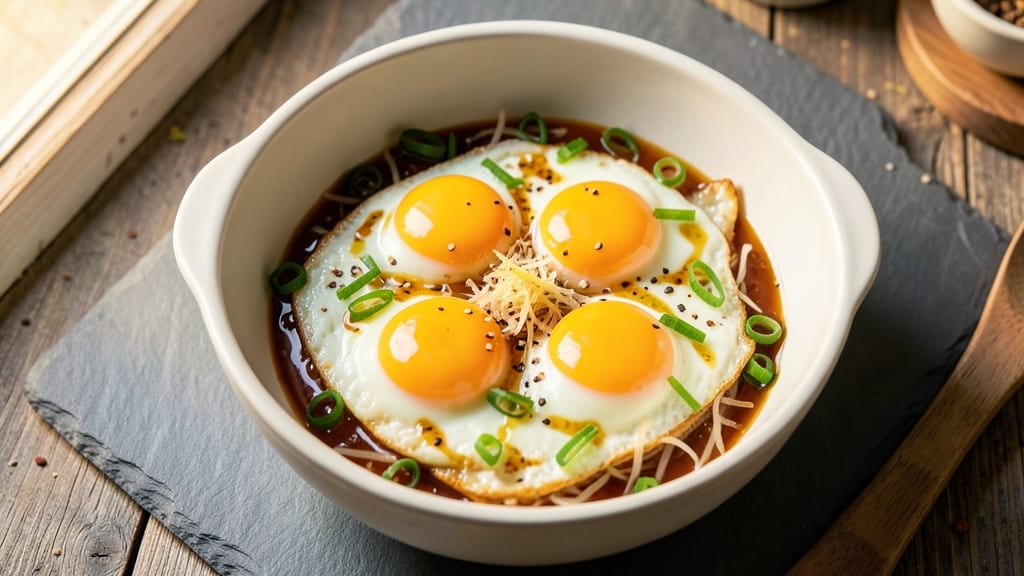
This Korean steamed egg microwave recipe turns simple eggs into a silky, savory custard with just a few ingredients and minutes of prep.
I first tried this technique after discovering how quickly it transforms ordinary eggs into a restaurant-worthy side dish—perfect for busy weeknights when you crave something special without the effort. The secret lies in the soy-ginger infusion, which creates that signature umami depth that makes every bite irresistible.
The beauty of this method is its simplicity: whisk eggs with a pinch of salt, then fold in soy sauce, sesame oil, and green onions for that authentic Korean flavor.
Microwaving ensures even cooking without the need for special equipment, and the result is a tender, jiggly custard that pairs beautifully with rice or kimchi. It’s the kind of dish that feels indulgent but comes together in just 10 minutes—ideal for when you want flavor without fuss.
What makes this recipe stand out is how it balances tradition with modern convenience. The microwave technique delivers the same silky texture as stovetop steaming, but with less cleanup and more control over doneness.
The soy-ginger infusion adds layers of savory-sweet complexity, while the green onions lend a fresh finish. It’s a dish that proves you don’t need complicated methods to create something extraordinary.
Serve this egg custard alongside steamed rice for a complete meal, or pair it with pickled vegetables for a light yet satisfying bite. The versatility of this recipe makes it perfect for any occasion—whether you’re meal prepping for the week or whipping up a quick dinner. Let’s get started!
Ingredients for korean steamed egg recipe microwave
Nine essential ingredients transform ordinary eggs into restaurant-quality Korean custard with minimal effort.
| Ingredient | Amount | Notes |
|---|---|---|
| Large Eggs 🥚 | 4 whole | Room temperature for even cooking |
| Soy Sauce 🍶 | 2 tbsp | Korean or Japanese preferred |
| Fresh Ginger 🌿 | 1 tbsp | Finely grated, aromatic |
| Sesame Oil 🫒 | 1 tbsp | Toasted sesame oil for depth |
| Green Onions 🧅 | 2 whole | Thinly sliced, white and green |
| Vegetable Oil 🫒 | 1 tbsp | Light neutral oil for coating |
| Salt 🧂 | ¼ tsp | Fine sea salt for balance |
| White Rice 🍚 | 1 ½ cups | Cooked, for serving suggestion |
| Kimchi 🥬 | ½ cup | Optional, for serving suggestion |
The eggs are the foundation, so use large eggs at room temperature—they whip more evenly and create a silky texture. For soy sauce, Korean brands like Gochujang or Japanese soy add deeper umami, but any good-quality soy will work. Fresh ginger is non-negotiable here; the aromatic oils are crucial for that signature savory-sweet balance. If you're using a microplane, grate the ginger directly into the eggs to preserve its potency. Sesame oil should be toasted—the nutty aroma elevates the dish instantly. Most grocery stores carry it near international foods, or check the Asian aisle.
No fresh ginger? A pinch of ground ginger at half the amount works in a pinch, but the texture won’t be as vibrant. Substituting sesame oil? Avocado oil or neutral high-heat oil keeps the process intact, though it lacks the toasty depth. Green onions can be swapped for scallions or chives, but the white part is key for that mild onion bite. For serving, steamed jasmine rice is traditional, but any short-grain rice works. Kimchi adds tangy contrast—store-bought or homemade, just drain excess liquid before serving to avoid sogginess. The vegetable oil is purely functional; any neutral oil (like canola or grapeseed) will do.
Prep the eggs and mixture ahead, but hold off on microwaving until serving—the custard sets quickly. Store any leftovers in an airtight container for up to 3 days in the fridge, though texture may firm up slightly. To reheat, microwave in 10-second bursts until just warmed through. For meal prep, divide into ramekins or small bowls before microwaving—this makes portioning effortless. The custard freezes beautifully for up to 1 month, though texture may become slightly grainier upon thawing. Always thaw in the fridge overnight for best results.
Why You'll Love This Recipe
- Microwave Magic: I swear, this is the only egg dish that feels like a restaurant meal without the fuss. Just crack, steam, and—boom—crispy edges with that silky center. My microwave does all the work while I sip coffee.
- Ginger-Soy Kick: That bright ginger and salty-sweet soy sauce combo? It’s the secret weapon. The eggs soak up just enough flavor to be addictive, but not overpowering. Honestly, I make it just to snack on the leftovers.
- Office Lunch Hero: Between us, these reheat like a dream—no soggy eggs here. Pack a few in a container, and you’ve got a protein-packed lunch that still tastes fresh. My coworkers think I’m a genius (or a liar, until they try it).
- Pantry Staple Power: Eggs, soy sauce, ginger—you’re already buying these. No specialty trips, no wasted ingredients. I’ll be real: I’ve made this with whatever was in my fridge, and it’s still spot-on every time.
Step-by-step instructions for Korean steamed egg microwave recipe
Transform simple eggs into a luxurious, silky custard with this precise microwave technique.
Prepare the Egg Mixture for Optimal Texture
In a medium heatproof bowl, crack all 4 whole Large Eggs and separate them carefully, discarding the whites if you prefer only yolks, or using both for richer texture. The yolks should be at room temperature for even cooking. Add 2 tablespoons Soy Sauce and 1 tablespoon Fresh Ginger (finely grated) to the bowl, whisking vigorously until fully combined. This marinade infuses the eggs with deep umami and aromatic ginger notes.
Next, incorporate 1 tablespoon Sesame Oil and 0.25 teaspoon Salt, whisking until the mixture becomes smooth and homogeneous. The sesame oil adds a nutty depth while balancing the saltiness of the soy sauce. Thinly slice 2 whole Green Onions, reserving half for garnish and adding the remaining to the egg mixture. Let the mixture rest for 5 minutes at room temperature to allow the flavors to meld.
Heat the Bowl and Oil for Even Cooking
Place the bowl in the microwave and heat it for 10 seconds on high power. This preheating step ensures even cooking and prevents cold spots in the custard. Remove the bowl and immediately add 1 tablespoon Vegetable Oil, swirling gently to coat the bottom and sides. The oil creates a protective barrier that prevents the eggs from sticking to the bowl during steaming.
Return the bowl to the microwave and heat for an additional 15 seconds on high. This step is critical—it allows the oil to distribute evenly and creates a stable base for the custard to set properly. The bowl should now be warm to the touch but not hot enough to cook the eggs immediately.
Microwave in Intervals for Silky Perfection
Place the bowl in the microwave and cook on high power for 30 seconds. Immediately remove it and gently stir the eggs with a silicone spatula, scraping the bottom and sides to ensure even distribution. This step prevents the custard from forming a skin and ensures a smooth, velvety texture. Repeat this process, cooking for 30-second intervals and stirring in between, until the eggs reach a just-set consistency—they should be slightly wobbly in the center but fully cooked throughout.
Total cooking time will vary based on your microwave's power, but typically 3-4 minutes of interval cooking achieves the ideal texture. The custard should be silky, glossy, and hold its shape when gently tilted. If it appears too runny, continue cooking in 10-second increments until set. Overcooking will result in a dense, rubbery texture, so monitor closely.
Rest and Serve with Traditional Pairings
Remove the bowl from the microwave and let the custard rest for 2-3 minutes before serving. This resting period allows the eggs to firm up slightly and redistribute their moisture, resulting in a more refined texture. Garnish with the reserved sliced Green Onions and a drizzle of Sesame Oil for added visual appeal and flavor.
Serve the Korean steamed eggs with 1.5 cups White Rice and a side of 0.5 cup Kimchi for an authentic Korean meal experience. The contrast of the silky eggs with the tangy kimchi and neutral rice creates a harmonious balance of textures and flavors. For an extra touch, sprinkle a pinch of Salt over the top to enhance the savory notes.
Pro Tips For Making Korean Steamed Egg Recipe Microwave
- Crack Eggs Directly Into Microwave Bowl: Skip the bowl transfer—crack eggs straight into your microwave-safe bowl with the soy sauce and ginger. I learned this the hard way after scrambling eggs everywhere trying to move them mid-cook. The bowl’s shape keeps everything contained, and you won’t lose precious egg to sticky countertops.
- Use High Heat First, Then Pause: Blast the microwave on full power (800W+) for 45 seconds, then stop and stir. After burning through three batches at half power, I realized the center needs that initial shock to set properly. The pause prevents overcooking the edges while the middle catches up.
- Grate Ginger Fine—Like Salt: No need for a peeler or thick slices. Grate the ginger into a paste with the tiniest holes on your grater—it dissolves faster and blends seamlessly into the egg. Thick pieces sit like rubbery chunks, and nobody wants that texture in their steamed egg.
- Swap Fresh Ginger for Powder in a Pinch: If you’re short on time, swap 1 teaspoon of fresh ginger for ½ teaspoon of ground ginger (plus a splash of water to mimic moisture). It’s not identical, but it’ll save you a trip to the store when you’re craving this dish now. Just don’t tell my Korean aunt—I’d never hear the end of it.
Best sauces and condiments for these flavors
Soy-Ginger Base
Start with the soy-ginger foundation—this is what gives your steamed eggs that signature Korean depth. I always use Korean soy sauce (like Gochujang brand) for its richer umami, but Japanese soy works too.
For the ginger, freshly grated is non-negotiable; it releases aromatic oils that ground sauce and ground ginger can't match. If you're short on time, 1 tsp of ginger paste (found in Asian markets) is a decent shortcut. 🌿
The balance of 2 tbsp soy sauce to 1 tbsp grated ginger creates that perfect savory-sweet harmony. Too much soy can overpower, while too little ginger makes the flavor flat.
Trust your taste buds here—adjust by ½ tsp increments if needed. The sesame oil (toasted, not regular) adds nutty warmth that ties everything together.
Umami Boosters
For an extra layer of umami, stir in 1 tsp fish sauce or ½ tsp MSG—both are common in Korean cooking and elevate the flavor without altering texture. I keep these on hand because they make a noticeable difference.
If you're vegetarian, 1 tsp mushroom powder works surprisingly well. The key is adding these after the initial soy-ginger mix so they integrate smoothly.
For heat lovers, add ½ tsp gochujang paste (Korean chili flakes) or a pinch of red pepper flakes—just enough to wake up your palate. The microwave method lets you control heat precisely, so don't be afraid to experiment.
I often make a small batch with and without spice to compare.
Finish with Freshness
The green onions are your secret weapon for brightness. Use both white and green parts—the white adds mild onion flavor while the green keeps it fresh. Thinly slice them with a sharp knife for even distribution.
For extra vibrancy, pulse ½ tsp black sesame seeds into the mix (they add texture and visual appeal). If you're feeling fancy, top with a few crispy fried shallots right before serving.
Don't skip the final drizzle of sesame oil—this isn't just for flavor, it's for that restaurant-quality shine. I like to warm ½ tsp in a small pan until fragrant, then drizzle it over the finished custard.
The aroma alone makes the dish feel special. A sprinkle of flaky sea salt right before eating enhances the savory notes without overpowering.
Sweet-Tangy Contrast
For a sweet-tangy twist, stir in 1 tsp honey or maple syrup with the soy sauce. This balances the saltiness and adds complexity—think of it as a Korean-style glaze.
The microwave cooks the sweetness into the eggs beautifully. If you're serving with kimchi, this step becomes even more important as the tanginess needs counterbalancing.
For a citrusy finish, add ½ tsp lemon zest or a squeeze of rice vinegar (just ½ tsp) to the egg mixture. The acidity brightens the dish and cuts through the richness.
I've found that 1 tsp of pickled garlic juice (from a jar of kimchi) works wonders too—it adds depth without extra prep.
Microwave-Specific Adjustments
Since we're microwaving, texture control is everything. If your custard sets too quickly, add 1 extra tbsp of water to the egg mixture—this keeps it silky. For extra richness, stir in 1 tbsp heavy cream or 1 tsp cornstarch (for a firmer set).
The microwave's uneven heat means you'll need to stir more frequently than with stovetop methods, so keep your silicone spatula handy.
For make-ahead meals, prepare the egg mixture (without cooking) up to 2 days ahead and store in an airtight container in the fridge. When ready to cook, just microwave as directed—no need to whisk again.
The flavors actually improve overnight as the soy sauce and ginger meld together. This is my go-to for weeknight prep when I want restaurant-quality eggs with zero stress.
Nutrition facts
Frequently asked questions
Why does my microwave Korean egg custard turn rubbery?
Overcooking is the most common cause—microwaves vary in power, so start with 30-second intervals and stir between each. The custard should be just set with a slight wobble. If it's too firm, add 1 tbsp water to the mixture next time for a silkier texture. Also, avoid high-power settings; medium-high gives better control.
Can I make this with just egg yolks for extra richness?
Yolks create a richer, creamier custard. Use 4 yolks instead of whole eggs, then reduce the soy sauce to 1 tbsp (yolks are more concentrated). The texture will be denser but even more luxurious. For balance, add ½ tsp sugar to prevent bitterness from the extra fat.
What's the best microwave bowl for even cooking?
Use a heatproof glass or ceramic bowl (like a microwave-safe ramekin) that's slightly larger than your microwave's turntable. Avoid plastic—it can melt or warp. For best results, place the bowl in the center of the turntable where heat is most even. If your microwave has a glass turntable, it helps distribute heat more evenly.
How can I make this spicier for Korean BBQ pairings?
Add ½ tsp gochujang paste or ¼ tsp red pepper flakes to the egg mixture before microwaving. For extra heat, stir in 1 tsp sriracha after cooking. Pair with bulgogi beef or spicy tteokbokki for a fiery combo. The microwave method lets you control spice levels precisely—start with less if you're sensitive to heat.
Can I make this ahead and reheat later?
Yes! Prepare the egg mixture (uncooked) up to 2 days ahead and store in an airtight container in the fridge. When ready to cook, microwave as directed—no need to whisk again. For leftovers, reheat in 10-second bursts until just warmed through. The texture may firm up slightly but remains delicious. This makes it perfect for meal prep!