
Main Courses
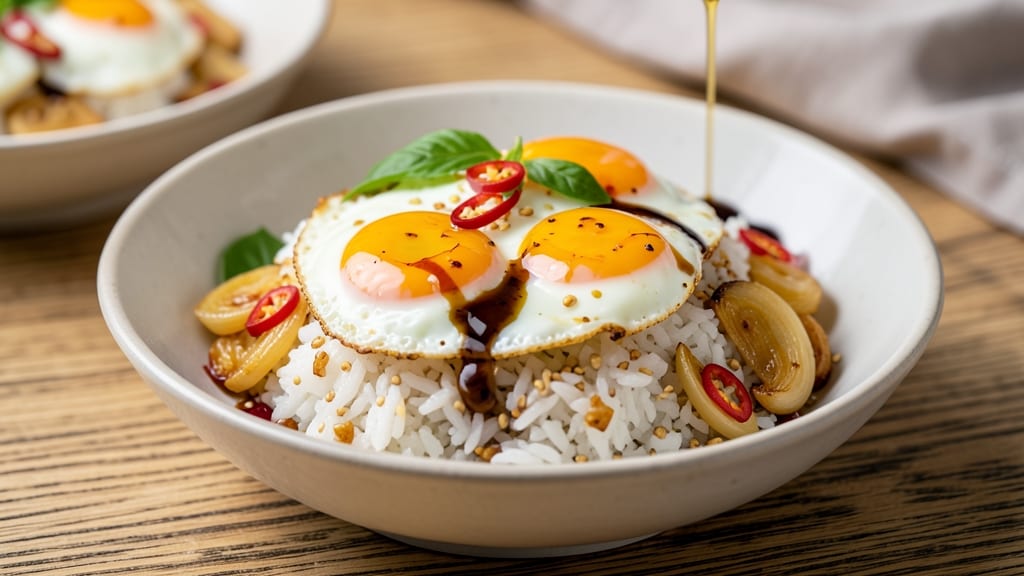
This Thai egg rice recipe transforms simple ingredients into a fragrant, restaurant-quality dish that balances silky coconut-infused rice with perfectly curdled eggs. The secret lies in the fragrant jasmine rice cooked with coconut milk, creating a delicate floral aroma that pairs beautifully with the rich, custardy egg yolks.
I developed this recipe after years of traveling through Thailand, where street vendors serve this dish with effortless simplicity—yet the flavors are anything but basic.
The magic happens in three key components: the rice, the eggs, and the seasoning. The jasmine rice is steamed with coconut milk for a subtle sweetness, while the eggs are scrambled or fried to achieve that signature silky, slightly runny yolk that Thai egg rice is famous for.
A light seasoning of soy sauce, fish sauce, garlic, and chili ties everything together, balancing the dish with umami and a touch of heat.
What makes this recipe special is its versatility—it’s hearty enough for a main course but light enough for lunch. The rice absorbs the coconut milk beautifully, creating a fragrant base, while the eggs add a luxurious texture.
Serve it with fresh herbs like cilantro or Thai basil, and you’ve got a dish that’s as visually appealing as it is delicious.
This recipe is perfect for weeknight dinners or weekend brunches, and it scales effortlessly for a crowd. Whether you’re a fan of Thai cuisine or just love comforting, flavorful meals, this dish delivers restaurant-quality results with minimal effort. Let’s get started!
Ingredients for thai egg rice
Fragrant jasmine rice meets silky coconut-curdled eggs in this Thai classic—simple ingredients, restaurant-quality results.
| Ingredient | Amount | Notes |
|---|---|---|
| Jasmine Rice 🌾 | 1 cup | Uncooked, long-grain preferred |
| Coconut Milk 🥥 | 1 can | Full-fat, 13.5 oz total |
| Large Eggs 🥚 | 4 whole | Fresh, room temperature |
| Fish Sauce 🍜 | 1 tbsp | Red Boat brand preferred |
| Soy Sauce 🥢 | 1 tbsp | Light or all-purpose |
| Garlic Cloves 🧄 | 3 cloves | Minced, fresh preferred |
| Bird's Eye Chilies 🌶️ | 2 whole | Or 1 tsp chili flakes |
| Fresh Cilantro 🌿 | ¼ cup | Chopped, stems removed |
| Thai Basil Leaves 🌿 | 0.15 cup | Or regular basil if unavailable |
| Vegetable Oil 🫒 | 1 tbsp | Neutral flavor preferred |
| Salt 🧂 | ½ tsp | Diamond Crystal kosher |
| White Pepper 🌶️ | ¼ tsp | Freshly ground preferred |
| Lime Wedges 🍋 | 2 whole | For serving, fresh preferred |
The jasmine rice is the foundation—look for Thai-grown brands at Asian markets for that signature floral aroma. Coconut milk should be full-fat (none of that light stuff) for proper texture. I always grab Red Boat fish sauce when available—it's the gold standard for authentic flavor. Fresh bird's eye chilies are ideal, but if you can't find them, Thai chili flakes work in a pinch. The garlic should be minced finely—almost paste-like—for even distribution in the rice. Thai basil is worth hunting down at specialty stores, but regular basil keeps this dish from falling apart entirely.
No fish sauce? Soy sauce plus a pinch of sugar gets you close, though it won't have that same umami depth. Running low on coconut milk? Half coconut milk, half water maintains the flavor, just with slightly less richness. The eggs are non-negotiable—room temperature eggs scramble more evenly. For extra authenticity, toast the Thai basil leaves briefly in a dry pan before adding them to the rice. The lime wedges should be freshly cut—bottled lime juice won't give that same bright finish. If you're making this ahead, cook the rice and eggs separately, then combine just before serving.
Rice keeps best in an airtight container in the fridge for 4 days, while the eggs should be used within 2 days of cooking. The coconut milk can be stored in the pantry for up to 2 years once unopened. For meal prep, I recommend cooking the rice base in advance and scrambling the eggs fresh—5 minutes in a hot pan is all they need. Serve immediately for that signature silky yolk texture, or let it sit 1-2 minutes for slightly firmer eggs. The dish reheats beautifully—just add a splash of water to the rice before microwaving.
Why You'll Love This Recipe
- One-Pot Magic: I swear by this recipe—just rice, coconut milk, and eggs in one pot. No chopping, no fussing, and the steam does all the work while I sip my coffee.
- Umami Bomb: That fish sauce and soy combo? It’s the secret weapon. The eggs get this rich, savory glaze that sticks to every grain, and honestly, it’s the kind of flavor that makes you go back for seconds without thinking.
- Lunchbox Hero: Between us, I’ve packed this cold for work and it’s still delicious. The rice stays fluffy, the eggs hold their shape, and the coconut milk keeps it creamy—no reheating needed if you’re in a rush.
- Budget Breakfast: I make this on repeat because it’s cheap and filling. A handful of rice, a carton of eggs, and a splash of fish sauce stretch to feed four. Leftovers? Even better—just reheat and enjoy.
Step-by-step instructions for Thai egg rice
Master the balance of fragrant rice and silky coconut-curdled yolks with this precise technique.
Prepare the Jasmine Rice Base
Rinse the 1 cup jasmine rice under cold water until the water runs clear, then drain thoroughly in a fine-mesh strainer. This removes excess starch that would make the rice gummy. Transfer the drained rice to a medium saucepan and add 1 can coconut milk. Stir gently to combine, then bring to a boil over medium-high heat.
Once boiling, reduce heat to low and cover the pan tightly with a lid. Let it simmer for 15 minutes without lifting the lid. You'll know it's ready when the rice absorbs all the liquid and the bottom has a slight crust—this indicates proper doneness. Remove from heat and let it steam for 5 minutes covered. Fluff gently with a fork before proceeding.
Create the Coconut-Curdled Yolk Mixture
In a small bowl, whisk together 4 whole large eggs, 1 tablespoon fish sauce, 1 tablespoon soy sauce, 0.5 teaspoon salt, and 0.25 teaspoon white pepper until fully combined. The eggs should be room temperature for even cooking. Set aside while you prepare the aromatics.
In the same saucepan (now empty), heat 1 tablespoon vegetable oil over medium heat. Add the 3 minced garlic cloves and 2 whole bird's eye chilies (or 1 teaspoon chili flakes), cooking for 30 seconds until fragrant. Immediately remove from heat and pour the oil mixture into the egg mixture, whisking vigorously. This creates the signature silky, curdled texture. Keep warm while you finish the rice.
Assemble and Finish the Dish
Return the cooked jasmine rice to the saucepan and stir in the 0.25 cup chopped fresh cilantro and 0.15 cup thai basil leaves. Divide the rice evenly among 4 bowls. Working quickly, pour the egg mixture over the rice in each bowl, using a spoon to gently swirl and distribute evenly. The residual heat from the rice will gently cook the eggs, creating that signature creamy, slightly curdled texture.
Let the dish rest for 2 minutes to allow the eggs to set slightly. Garnish each serving with 2 lime wedges and serve immediately. The lime adds a bright contrast to the rich coconut and savory yolks. Each bite should deliver fragrant rice, silky egg curds, and a balance of umami from the fish and soy sauces.
Pro Tips For Making Thai Egg Rice
- Crank the Heat First: Start your coconut milk on high heat until it’s actually bubbling—this burns off the raw milk taste that makes cheap versions taste like watered-down cereal. I used to simmer it gently, and the dish always tasted flat until I realized you need to scorch the edges just a little for that proper Thai depth.
- Beat Eggs Like a Pro: Whisk your eggs until they’re frothy but not stiff—think ribbons, not meringue. Over-whisking makes them tough, and under-whisking gives you a sad, greasy mess. A splash of coconut milk into the egg mix (about 1 tablespoon) keeps them tender and absorbs the sauce better.
- Don’t Drown the Rice: Use half the coconut milk called for to cook the rice—save the rest for the sauce. Steaming the rice in too much liquid turns it mushy, and you’ll end up with a soggy pile instead of fluffy grains that soak up the eggy goodness.
- Season the Eggs Separately: Mix fish sauce and soy sauce only with the beaten eggs, not the coconut milk base. This keeps the sauce balanced—adding it all at once makes the rice taste like a salty, fishy swamp. A pinch of sugar in the egg mix (½ teaspoon) cuts the saltiness and rounds out the flavors.
Serving suggestions for leftovers
Garnish Like a Pro
Fresh herbs elevate this dish from good to showstopping. I always finish with 0.25 cup chopped cilantro and 0.15 cup Thai basil leaves—their bright flavors cut through the richness.
For extra flair, lightly toast the basil leaves in a dry pan for 10 seconds before adding them. The slight crispness adds another texture layer. 🌿
Lime Wedges Are Essential
Never skip the lime wedges—they're the secret to balancing flavors. Squeeze just a drop over each serving at the table to brighten the coconut and soy notes. I like to use Mexican Key limes for their intense tartness, but regular limes work too.
Cut them thick enough to grip but thin enough to express juice easily.
Side Dish Pairings
A simple Thai cucumber salad (julienned cucumber, lime juice, chili, and salt) adds refreshing crunch. For heartier meals, serve with grilled lemongrass chicken or crispy tofu.
The salad's coolness contrasts perfectly with the warm, creamy rice. I also love adding steamed bok choy with garlic and soy sauce for extra veggies.
Beverage Recommendations
Start with an iced Thai iced tea—the sweet, tannic notes complement the dish beautifully. For something lighter, try jasmine green tea chilled. If you prefer alcohol, a crisp Sauvignon Blanc from New Zealand shows off the lime and coconut flavors.
The acidity in these drinks cuts through the richness without overpowering the delicate egg texture.
Plating for Visual Appeal
Use white or light-colored bowls to make the golden coconut rice and vibrant herbs pop. Divide the rice into a neat mound, then swirl the egg mixture around the edges for an artistic look.
Add a small pile of pickled vegetables (like carrots or daikon) on the side for color contrast. The presentation should feel effortless but intentional—just like street food stalls in Bangkok.
Make It a Meal
Transform this into a full spread by adding Thai-style crispy pork or shrimp pad Thai on the side. For a vegetarian option, include tofu stir-fried with Thai curry paste.
The combination of textures—creamy rice, crispy pork, and fresh herbs—creates a satisfying, balanced meal that feels like a restaurant experience at home. 🍽️
Nutrition facts
Frequently asked questions
What makes the eggs in Thai egg rice so silky and custardy?
The secret lies in the coconut milk-infused rice and the egg mixture technique. The eggs are whisked with fish sauce, soy sauce, and aromatics, then gently cooked with residual heat from the rice. This creates that signature silky, slightly runny yolk texture. The coconut milk in the rice also adds richness that complements the eggs beautifully.
Can I substitute jasmine rice with another type?
While jasmine rice is traditional, you can use long-grain white rice or even brown rice in a pinch. However, jasmine rice's floral aroma is key to authentic flavor. For best results, soak the rice for 30 minutes before cooking if substituting. The coconut milk will still work, but the texture may be slightly different.
How do I adjust the spice level for sensitive eaters?
Remove the bird's eye chilies entirely and reduce the chili flakes to ¼ teaspoon. For extra mildness, add a pinch of sugar to balance any remaining heat. The fish sauce and soy sauce already provide plenty of umami flavor without needing extra spice. The lime wedges will still add brightness without heat.
Can I make this dish ahead of time?
Cook the rice and prepare the egg mixture separately, then combine just before serving. The rice keeps well in an airtight container for 4 days, while the egg mixture should be used within 2 days. Reheat the rice gently with a splash of water, then scramble fresh eggs in a hot pan for 5 minutes before mixing. This preserves that signature silky texture.
What's the best way to toast the Thai basil?
Heat a dry skillet over medium heat and add the basil leaves in a single layer. Toast for just 10-15 seconds until the edges start to curl slightly. This enhances their flavor and adds a pleasant aroma. Immediately remove from heat and add to the rice while warm. Over-toasting will make them bitter, so keep a close eye!